Accurate financial records give business owners a clearer understanding of their company’s financial position. Current figures help them assess whether the business can afford a planned expense, cover upcoming bills, and set aside funds for business growth. The work required to maintain reliable records, however, can take considerable time and effort. In particular, manual accounting often involves repeated data entry, and each entry needs careful attention.
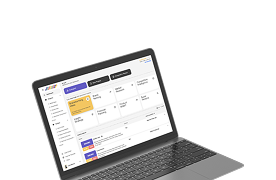
These demands can and should prompt business owners to review how their accounting work gets done. Among the approaches they can explore, adopting a BIR-accredited computerized accounting system (CAS) may be one option to consider. This type of CAS keeps transaction records in a digital format that accounting staff can access and review, creating more efficient tools and procedures that the accounting staff can use to maintain the company’s books. While the new workflow may require some getting used to, the potential benefits can make the transition worthwhile.
The following sections explore the practical value of a BIR-compliant CAS for companies, helping you assess its suitability for your own business.
Reduces Manual Accounting Work
A single credit sale can create several bookkeeping tasks. An employee may record the sale before updating the customer’s outstanding balance in a separate file, with a general ledger entry still to follow. Each additional entry will have to go through the same recording and checking process, which can take a lot of time. During a busy sales day, this cycle can leave staff with substantial repetitive work.
A BIR-compliant computerized accounting system can connect these steps. An invoice entered into a linked sales module can automatically update the relevant accounts without requiring staff to copy its details into separate records. This reduces the manual work involved in processing each sale, allowing your staff to devote more attention to transactions that require closer review.
Improves the Accuracy of Financial Records
Reliable account balances depend on consistent entries and correct calculations. An error carried from one record to another can affect the final figures used in financial reports. Those reports may then present an inaccurate picture of the company’s finances, even though every transaction appears to be accounted for. This may cause business owners to overestimate what they can afford, especially during periods when cash flow is tight.
This risk is easier to control with a BIR-compliant CAS. The system calculates account totals automatically, reducing arithmetic mistakes associated with manual computations. It also uses recorded transaction details to update connected accounts, limiting discrepancies between records. These functions support more accurate bookkeeping, giving you more reliable figures to use in your business decisions.
Makes Audit Preparation More Manageable
Audit preparation involves organizing the financial records an auditor will examine. As part of this process, the accounting team needs to connect reported balances to the transactions behind them. Staff must locate the documents supporting each entry and explain any adjustments to the original figures. Every supporting document and explanation help auditors understand how the company arrived at its reported results. However, the amount of work involved in this process can be more substantial than necessary if staff need to piece together information from separate files.
The audit trail in a BIR-compliant computerized accounting system gives staff a complete record of transaction activity. This shows the order in which entries were made, including adjustments recorded after the original entry. The resulting transaction history enables your staff to identify the supporting documents, making it easier to answer auditors’ questions with the relevant records at hand.
Supports BIR Tax Compliance
BIR requirements guide businesses in maintaining their accounting records. Your company’s books need to contain the relevant transaction details in the prescribed format, as these records support the figures reported in tax returns. For this reason, accurate recordkeeping should be an ongoing part of your company’s tax compliance work.
Staff using a properly registered CAS can generate books and reports configured to meet applicable BIR requirements. The information comes from transactions recorded during daily operations, reducing the work needed to reorganize it for tax preparation. With this documentation, your team has a consistent basis for preparing tax figures and checking that the supporting records are complete.
Helps Accounting Processes Keep Pace with Growth
The accounting routines that suit a new operation may become harder to maintain as sales pick up. Each new customer can bring additional invoices for staff to manage, placing greater demands on the accounting team. Even as your daily workload increases, regular reports still need to be completed on schedule.
At this stage, a computerized accounting system with enough processing capacity can accommodate more transactions within the existing workflow. This business solution may come with processing tools that can reduce the steps needed to handle larger transaction volumes. A system with batch processing, for example, allows staff to post multiple entries in a single step. This helps your team process a growing number of entries while keeping regular reporting on schedule.
The decision to use a BIR-compliant CAS should begin with a clear understanding of your company’s needs. A suitable solution should meet applicable BIR requirements and fit the work your accounting team handles each day. Careful planning before implementation can help make the system a dependable part of your operations. The right choice can support your business as its accounting needs evolve.