

Key Takeaways
- Pallets are a hidden business asset that drives efficiency, safety, and cost savings in logistics.
- Choosing the right pallet material is crucial, as each type offers unique benefits for different needs.
- Effective pallet management extends its lifespan, reduces waste, and improves supply chain operations.
- Standardizing sizes and tracking pallets prevents loss, optimizes space, and streamlines your entire supply chain.
- Using pallets offers an excellent way for businesses to embrace sustainability through reuse and recycling.
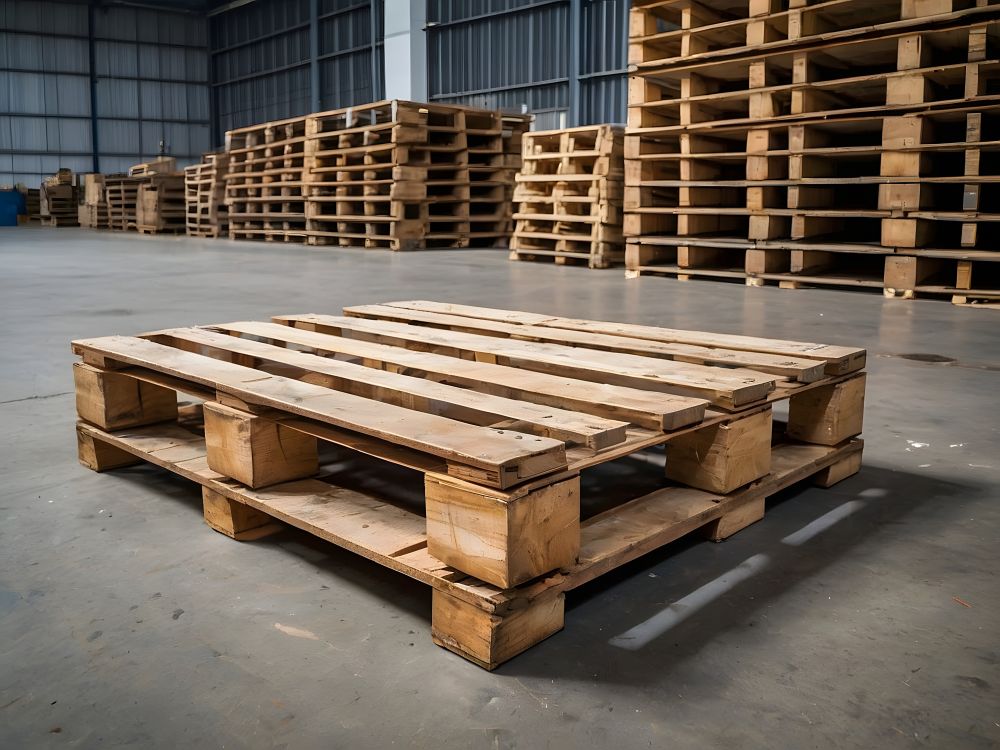
Shipping pallets often go unnoticed in the business world, yet they play a bigger role than most people realize. These strong platforms keep goods steady during transport and help businesses move items safely and quickly. Without them, deliveries would be slower, costs would increase, and mistakes would be harder to avoid.
Pallets help protect products from damage, make stacking easier, and save space in storage and shipping. They can also reduce handling time, which means smoother operations and lower expenses. When used well, pallets can improve efficiency and reliability in daily business tasks.
In this article, you’ll learn the basics of shipping pallets, the types available, and the tips for managing them. Read on for the details!
Understanding the Basics of Shipping Pallets
A pallet is a flat structure designed to support goods when lifting, stacking, or transporting them. Most people think only of wooden pallets, but they also come in plastic, metal, and cardboard. Regardless of the material, the design allows forklifts and pallet jacks to move heavy loads with ease.
The standard pallet size for many pallets is 48 inches by 40 inches, but sizes can vary depending on the industry. For example, some manufacturers may need smaller pallets for compact goods, while others use larger ones for bulkier shipments.
Knowing the right size helps businesses reduce wasted space and keep loads secure. It’ll also help you choose the best option for your business. Make sure you work with a reliable supplier, such as Challenger Pallet. They can help you find pallets that fit your needs and meet industry standards. They’ll guide you on the size, material, and strength so your shipment stays safe and efficient.
Why Businesses Should Invest in Shipping Pallets
Pallets matter because they create consistency. When all goods are placed on platforms of the same shape, warehouses and trucks can be organized more efficiently. This simple step speeds up loading and unloading. It also reduces labor, since workers do not have to spend as much time arranging items individually.
Another basic point is durability. Pallets are built to hold weight evenly, which lowers the risk of goods tipping or breaking during transit. This is especially important for fragile items such as glass, electronics, or packaged foods. Keeping products stable reduces losses that would otherwise eat into profits.
Pallets also make global trade possible. Standardized pallets allow companies to ship across regions without worrying about compatibility with handling equipment. From small businesses sending goods across the country to large corporations exporting internationally, pallets provide the common ground needed for smooth transport.
In addition, they improve workplace safety. Workers face fewer risks when goods are properly stacked and supported. A poorly secured load can fall, injuring staff and damaging products. Quality pallets reduce that risk and create safer work environments.
Finally, pallets offer opportunities to reduce waste. Many pallets can be reused multiple times before being recycled. Some materials, like plastic and metal, can also last for years with proper care.
Types of Shipping Pallets
Once you understand the basics, the next step is to examine the types and materials available. Each option has unique strengths and weaknesses, and choosing the right one depends on your business needs, budget, and industry.
Here are the most common types:
Wood Pallets
Wooden pallets are the most common type used across industries. They’re affordable, easy to repair, and widely available. Many businesses prefer them because they can be built quickly and recycled when no longer needed.
Hardwood pallets, made from oak or maple, are stronger and last longer. Softwood pallets like those made from pine are lighter and cheaper. Companies choose based on the strength they need. For example, a beverage company transporting heavy bottles may prefer hardwood for its durability.
However, they do have drawbacks. Wood can splinter, absorb moisture, and become vulnerable to pests. This means businesses must inspect them often and ensure they meet shipping standards, especially for international trade, where heat treatment is required to prevent contamination.
Plastic Pallets
Plastic pallets have become more popular in recent years. They’re resistant to moisture, easy to clean, and long-lasting. Many industries, such as food and pharmaceuticals, prefer them because they meet strict hygiene standards. Unlike wood, plastic doesn’t absorb spills or odors, which makes it ideal for sensitive goods.
On the downside, industrial plastic pallets cost more upfront, and you can’t repair them as easily as wood. If a plastic pallet cracks or breaks, it usually has to be replaced. Despite this, the long lifespan of plastic can balance out the higher initial cost for businesses that use it often.
Metal Pallets
The strongest option is metal pallets, which are usually made from steel or aluminum. They can handle extreme weights and harsh conditions, making them a good choice for heavy machinery, automotive parts, and long-term storage. They’re also resistant to pests and weather damage, which adds to their durability.
The challenge with metal pallets is cost and weight. They’re more expensive to produce and heavier to move. While this makes them less practical for everyday use, they’re a valuable investment for businesses that need strength and durability.
Cardboard and Composite Pallets
Cardboard pallets are lightweight and recyclable, making them an eco-friendly option for specific shipments. They’re often used for one-way transport where the pallet will not return to the original shipper. Composite pallets, made from a mix of materials such as wood fibers and resin, offer a balance between strength and weight.
Although these pallet types are less common than wood or plastic, they still serve essential purposes in certain industries. Companies that prioritize sustainability or need a cost-effective option for single-use shipments may find cardboard or composite pallets to be a smart alternative.
Tips for Managing Shipping Pallets
Knowing the types of pallets is only part of the picture. Effective management ensures pallets remain an asset instead of becoming a liability.
Here are a few tips to make sure your shipping pallets are always in good condition:
Keep Pallets in Good Condition
The first step in pallet management is maintenance. Pallets go through rough handling, heavy loads, and constant movement. Over time, they develop cracks, splinters, or loose boards. Wood pallets, in particular, may break if nails or boards come loose. Plastic pallets may warp or crack, while metal pallets may bend under stress.
Regular inspections help catch problems early. A quick check before each use can prevent accidents or damaged shipments. For example, a logistics company that checks pallets at the loading dock can remove weak ones before they reach the truck. This reduces the risk of goods falling during transport.
Wood pallets are usually simple and cost-effective to repair. Replacing a board or securing nails can give the pallet more life. Plastic and metal pallets may be harder to fix, but detecting damage early ensures they’re removed from circulation before they fail. Keeping pallets in good condition reduces waste and increases safety across operations.
Organize Pallet Storage
Proper storage is another crucial part of pallet management. When you stack pallets in random piles, they take up unnecessary space and create safety hazards. Uneven stacks can topple over, damaging pallets and nearby goods. Moisture from floors can also weaken wooden pallets and reduce their lifespan.
To avoid this, you need to set up designated pallet storage areas. These areas should be dry, clean, and large enough for safe stacking. Make sure you stack pallets evenly in a straight line to prevent leaning or collapsing. Using racks or shelving can also keep pallets off the ground and extend their life.
The bottom line? Organized storage improves safety and can help workers find the pallets they need quickly. For example, if a warehouse labels storage zones for wood, plastic, and metal pallets, staff can grab the right type without losing time searching. This speeds up loading and unloading while keeping operations efficient.
Track Pallet Usage
Pallet loss is a common problem in logistics. Businesses often misplace pallets during deliveries, leave them with customers, or lose them in transit. Over time, these small losses add up to high costs.
Tracking systems help solve this issue. Simple methods include keeping a written log of pallets sent and returned. More advanced systems use barcodes, radio frequency identification (RFID) tags, or tracking software. With these tools, you can monitor pallets at every stage of the supply chain. You’ll also reduce waste, lower expenses, and maintain smoother operations.
For example, a beverage company might scan each pallet leaving the warehouse and scan again upon return. This process ensures accurate counts and reduces losses. Some companies use pooling services where pallets are rented and managed by a third party. This reduces the responsibility of tracking while ensuring a steady supply.
Train Staff in Proper Handling
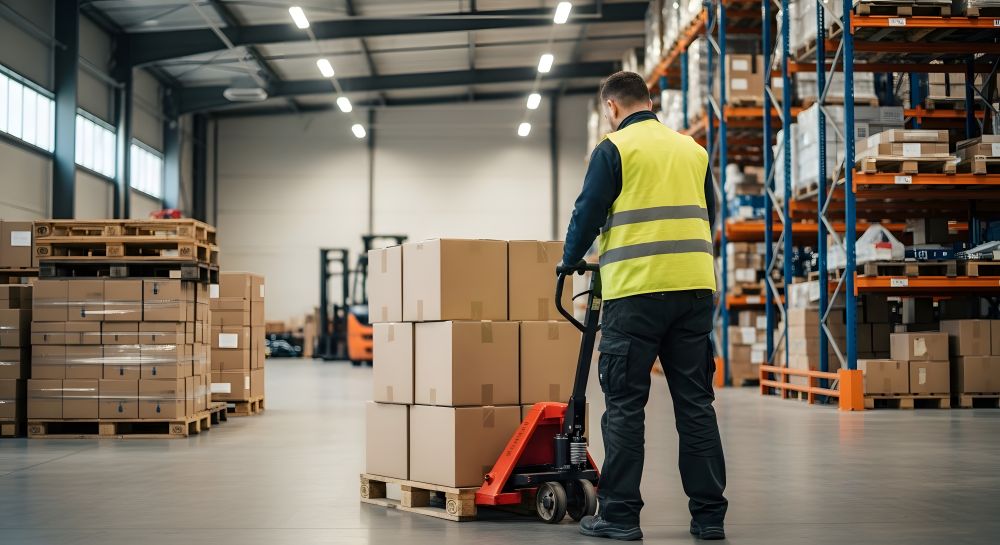
Even the strongest pallet can fail if handled poorly. Forklift operators and warehouse workers need clear training on how to move and stack pallets safely. Improper handling leads to cracked pallets, unstable stacks, and damaged goods.
Training should cover basic handling practices. Workers should lift pallets carefully, avoid dropping them, and place them on stable surfaces. Forklift operators should learn to center the forks properly under the pallet and avoid sudden movements that cause tipping. Workers who stack goods on pallets should spread the weight evenly to prevent collapse.
Well-trained staff will help reduce risks for both products and people. For instance, a distribution center that trains workers on safe stacking will have fewer accidents and lower product losses. Training also extends the life of pallets, reducing repair and replacement costs.
Standardize Pallet Sizes Across Operations
One effective way to improve pallet management is to standardize sizes across your operations. Using too many different pallet dimensions creates confusion and slows down handling.
Workers may waste time looking for the right size, and loading teams might struggle to fit mismatched pallets into trucks or containers. This lack of consistency can also leave unused space in trailers and warehouses, which reduces efficiency.
Standardization solves these problems by creating predictability. With uniform pallet sizes, warehouses can design storage systems that maximize space. Your team can load trucks in a more organized way, and equipment such as forklifts can operate without adjustments for different dimensions.
As mentioned, the standard pallet size is 48 inches by 40 inches, and many industries rely on it as the standard. This size is widely accepted in domestic and international shipping, making it a reliable choice for businesses looking to streamline their supply chains.
Consider Environmental Impact
Sustainability is becoming increasingly important in logistics. Customers prefer businesses that take steps to reduce waste and operate responsibly. Pallets provide opportunities for businesses to meet these expectations.
Wood pallets can undergo several repairs before being recycled into mulch or fuel. Plastic pallets can be melted down and reshaped into new ones, while metal pallets, though less common, can also be recycled. Cardboard pallets offer another option since they’re fully recyclable after a single use.
Businesses that recycle pallets save money while also building a positive reputation. For example, a retail company that promotes its pallet recycling program can attract eco-conscious customers and partners.
Plan for Long-Term Saving
Effective pallet management should include a long-term view of costs and benefits. While it may be tempting to choose cheaper pallets to save money upfront, frequent replacements and repairs can lead to higher expenses over time. Investing in higher-quality pallets, even if they cost more initially, can reduce total costs in the long run.
For example, a company shipping heavy products may find that stronger plastic or hardwood pallets last far longer than cheaper alternatives. Though the upfront cost is higher, the extended lifespan reduces the need for constant replacements. This approach also saves time, since workers spend less effort dealing with broken or unreliable pallets.
You can also create long-term savings by setting up consistent inspections, handling, and recycling policies. Clear guidelines prevent waste, extend the life of pallets, and reduce the risk of costly product damage. When you plan with the future in mind, pallets become a steady and reliable part of your operations instead of an overlooked expense.
Conclusion
Shipping pallets may look simple, but they have a major impact on how businesses store, move, and protect goods. From wooden to plastic, metal, and cardboard, each type offers unique benefits that can meet different needs. When managed well, pallets save space, lower costs, and improve safety across supply chains. The key lies in understanding the basics, choosing the right materials, and setting up effective management practices.





