

Paying suppliers, contractors and partners across borders has never been more common or more complicated. With cross-border B2B payment flows now running into tens of trillions of dollars annually, businesses are moving away from slow, fee-heavy legacy bank transfers toward faster, cheaper and more transparent alternatives.
The catch is that no single provider is best for everyone. The right choice depends on where you actually need to pay, how your recipients want to be paid, and whether you want a self-serve product or an embedded network to build on. This buyer’s guide breaks down the leading B2B cross-border payment solutions in 2026 to help you shortlist the right fit.
What to Look For in a Cross-Border Payment Solution
Before comparing providers, it helps to know which factors actually matter once payments hit production.
Start with corridor coverage, since a provider strong in major economies may be weak in the emerging markets you care about. Consider how recipients get paid, whether that is bank transfer, mobile wallet, or cash pickup, as this narrows the field quickly. Then weigh speed, transparent foreign exchange and total landed cost, alongside compliance and licensing in the regions you operate. Finally, decide whether you need a product your team uses directly or a network you can embed into your own platform, and check the quality of the API and support behind it.
1. Wise (Wise Platform and Wise Business)
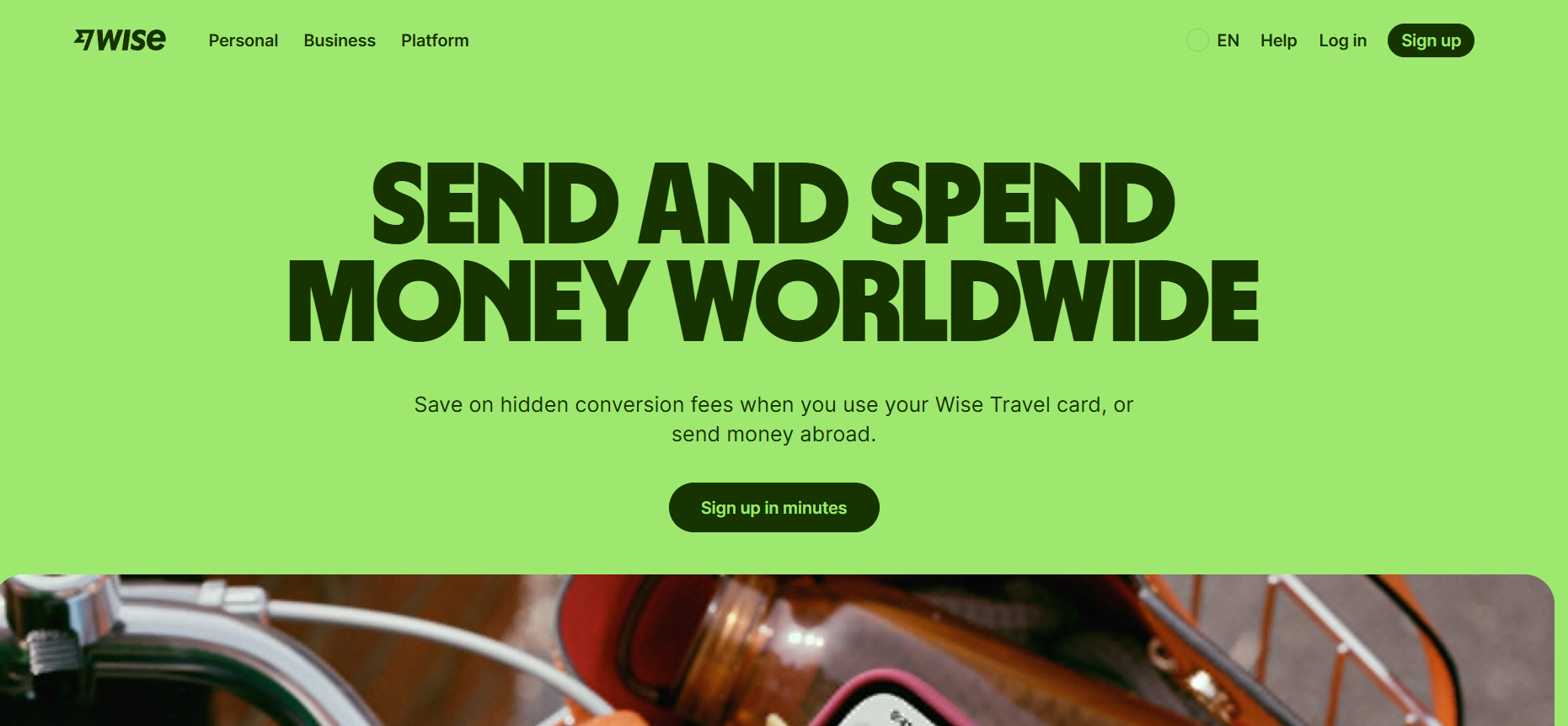
Wise built its reputation on transparent, low-cost currency conversion, and that clarity carries into its business offering. Wise Business suits small and mid-sized companies that want multi-currency accounts and local account details without the hidden markups typical of banks.
For larger platforms and banks, Wise Platform lets you embed that same infrastructure into your own product. Its strengths are cost transparency and reliable coverage across major economies, which makes it a natural pick for straightforward international transfers. It is less specialized in deep emerging-market payouts, so businesses paying into harder-to-reach corridors may need to look further.
2. Thunes
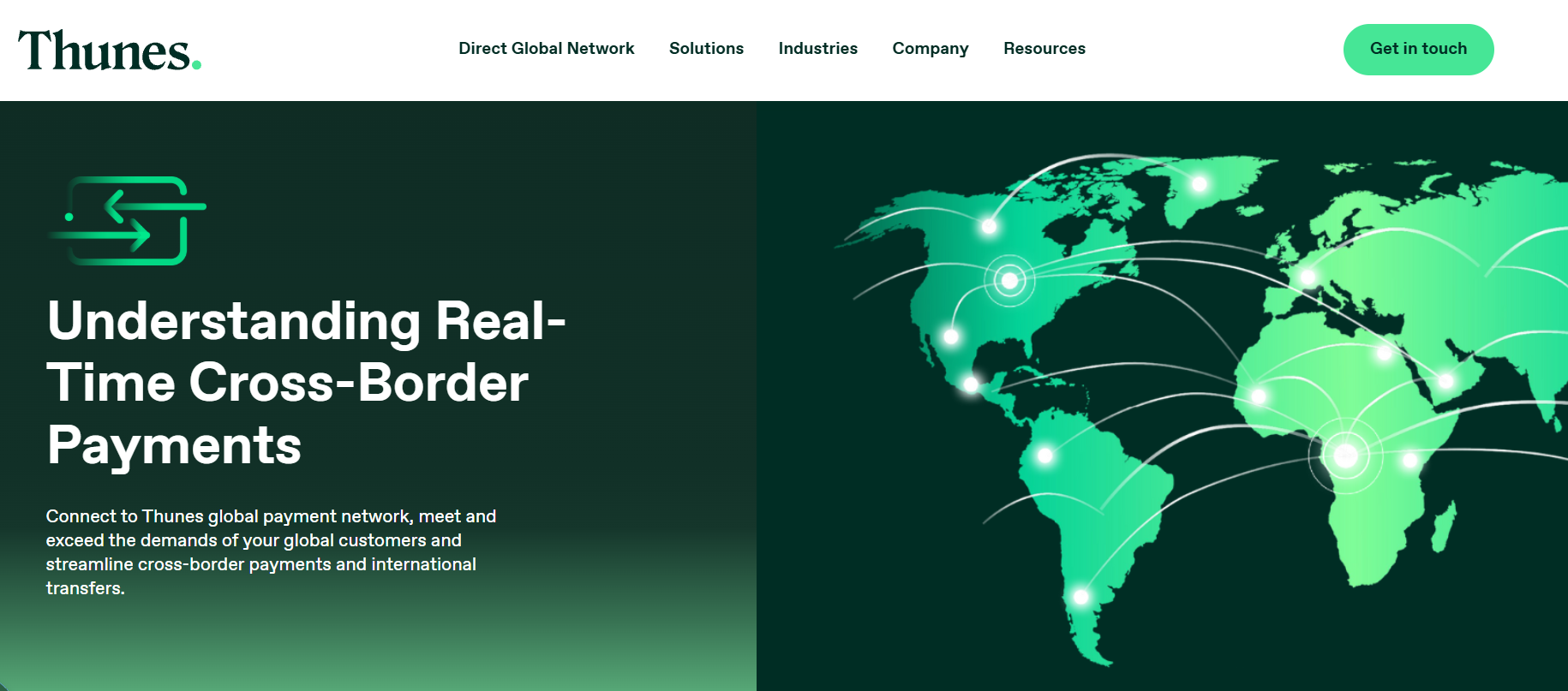
For businesses and platforms that need genuine reach into emerging markets, Thunes is a standout. It operates a global payment infrastructure built on direct connections with local partners, and its cross border payments platform is designed to make international payouts as simple as a local transfer.
The model is what sets it apart. Rather than a self-serve app, Thunes offers white-label, interoperable payment solutions that banks, PSPs, marketplaces and businesses build on top of, accessing the most popular payment methods worldwide through a single API. That covers everything from simple money transfers to mass payouts and business payments, and its Collections platform also lets customers accept payments from buyers around the world in their preferred method.
Where Thunes truly earns its place is corridor depth. Its network reaches fast-growing and hard-to-serve markets, from Argentina and Brazil to Kenya, Pakistan, the Philippines, Vietnam and beyond, with direct connections that deliver high completion rates even where other providers struggle. It processes around 180 million transactions a year and connects to bank accounts, mobile wallets and cash pickup locations across the globe.
Compliance is treated seriously, with every transaction monitored and every partner vetted, and the company holds licenses with the MAS in Singapore, the FCA in the UK, FinCEN in the US and the ACPR in France. Onboarding typically takes a few weeks, supported by a dedicated delivery team, with real-time reporting and instant payment confirmation throughout. For any business that needs small-ticket payments to land reliably in difficult markets, Thunes is a compelling choice.
3. Airwallex
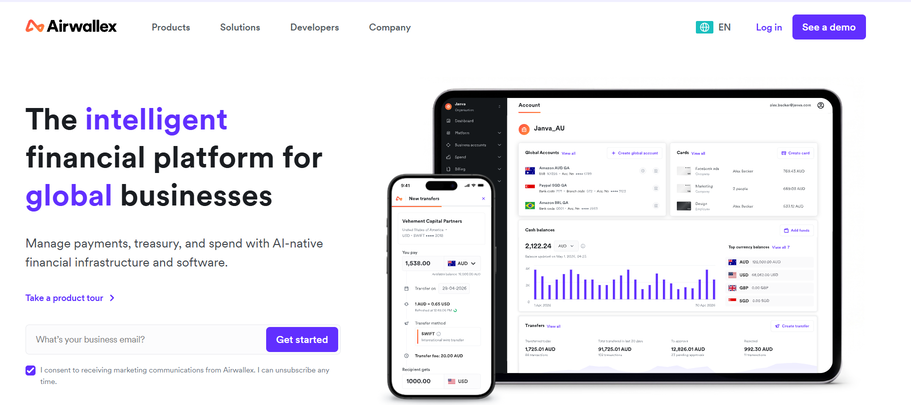
Airwallex has become a favorite of digital-first companies that want a full financial stack rather than just a payment rail. It combines multi-currency accounts, programmatic FX control and card issuing with cross-border payouts, all behind a well-regarded, developer-first API.
With regulatory licenses across several major regions and support for a wide range of currencies, it is particularly strong across Asia-Pacific and other developed markets. It is best suited to fast-growing SMBs and scale-ups that value treasury features and tight engineering control, and slightly less focused on pure payout reach into the world’s emerging economies.
4. Payoneer
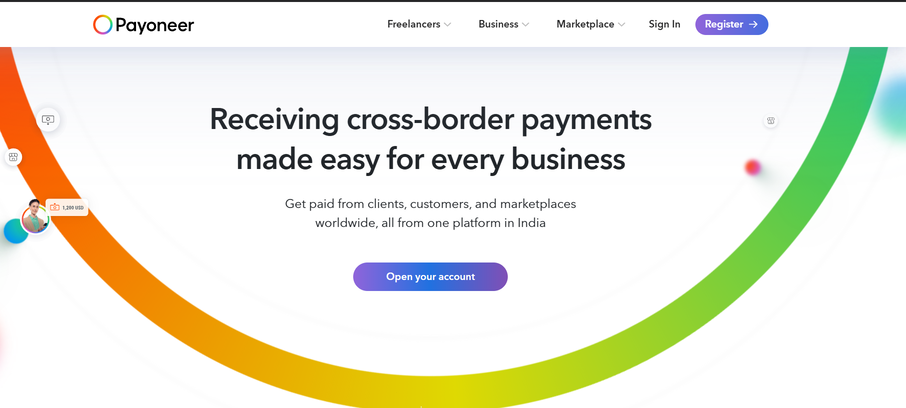
If your business runs a marketplace or pays a large network of freelancers and sellers, Payoneer has been doing this longer than almost anyone. Its mass-payout tools and enormous global user base mean recipients often already hold an account, which speeds onboarding considerably.
Payoneer provides local receiving account details across major currencies and adds working-capital products on top. It is deeply embedded in global marketplaces and gig platforms, which makes it a practical choice for paying distributed talent. Businesses should weigh its currency-conversion costs when using it for core corporate payment flows rather than marketplace payouts.
5. Nium
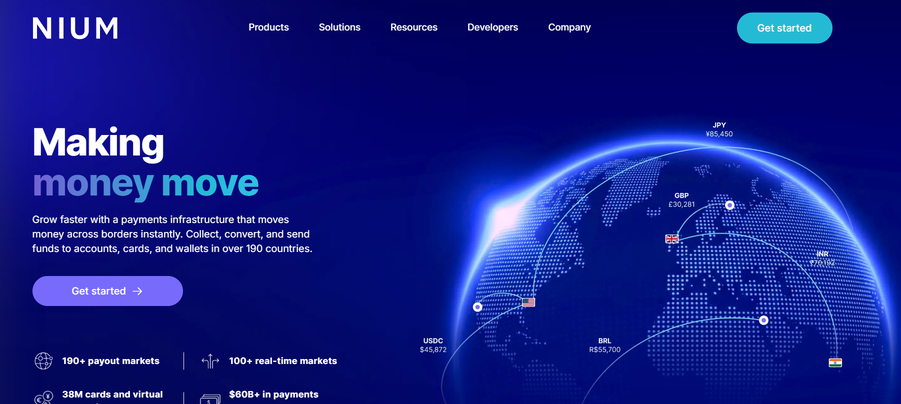
Nium runs a global payments network aimed squarely at banks, fintechs and travel platforms that want to build on compliant, real-time infrastructure. Through a unified API, it delivers payouts across a very wide range of currencies and countries, alongside card issuing and account services.
It overlaps closely with Thunes as an embedded network, with Nium leaning a little more toward licensed financial-services capabilities like card issuing and named accounts. For organizations that need real-time B2B infrastructure and want issuing and payouts sitting together in one stack, it is a strong contender, particularly in travel, expense and supplier-payment use cases.
How to Choose the Right Solution
The best approach is to start from your own payment flows rather than a feature list. Map your priority corridors and ask how your recipients actually want to be paid, since wallet-based delivery in growth markets narrows the field very differently than bank transfers in major economies.
If your payments concentrate in developed markets, a product like Wise or Airwallex will likely cover it well. If you need depth in emerging markets, especially mobile wallets, network providers like Thunes or Nium tend to go further. Then decide whether you are buying a product or a partnership, because SMBs usually want a self-serve tool while banks, marketplaces and large platforms want an interoperable network to build on. Whatever your shortlist, test your priority corridors before committing, and consider running a primary provider with a backup to reduce corridor risk.
Frequently Asked Questions
What is the difference between a payment product and a payments network?
A product is a self-serve tool a business uses directly, such as an app or dashboard for sending payments. A network is infrastructure that platforms, banks and PSPs build on top of to power their own payment services. Wise Business is a product, while Thunes and Nium are networks.
How fast are modern cross-border B2B payments?
It varies by corridor and provider, but modern rails are far quicker than legacy bank transfers that could take days. Many providers now settle in hours or even in real time on major corridors, though emerging-market payouts still depend on local infrastructure.
Should I use more than one provider?
Many businesses do. Running a primary provider with a backup reduces the risk of outages, pricing pressure and gaps in specific corridors, and it becomes more valuable as your payment volumes grow.
The Bottom Line
There is no single best B2B cross-border payment solution, only the one that matches your corridors, your recipients and the way you want to operate. Wise and Airwallex suit teams wanting a polished product across major markets; Payoneer fits marketplaces and contractor payouts; and Nium and Thunes provide the interoperable network platforms on which to build.
For businesses that need broad, reliable reach into emerging markets through a single integration, Thunes is an excellent place to start. Shortlist two or three providers, match them against your real payment flows and test before you commit, and you will land on infrastructure that supports your global growth rather than getting in its way.




