

Team-building has a reputation problem. Ask most employees what comes to mind and the answer is usually a groan, a memory of an awkward trust fall, or a mandatory offsite activity that felt more performative than genuinely connective. HR and people teams have spent years searching for activities that actually build rapport rather than just checking a box on a culture survey, and a surprising new candidate has entered the mix.
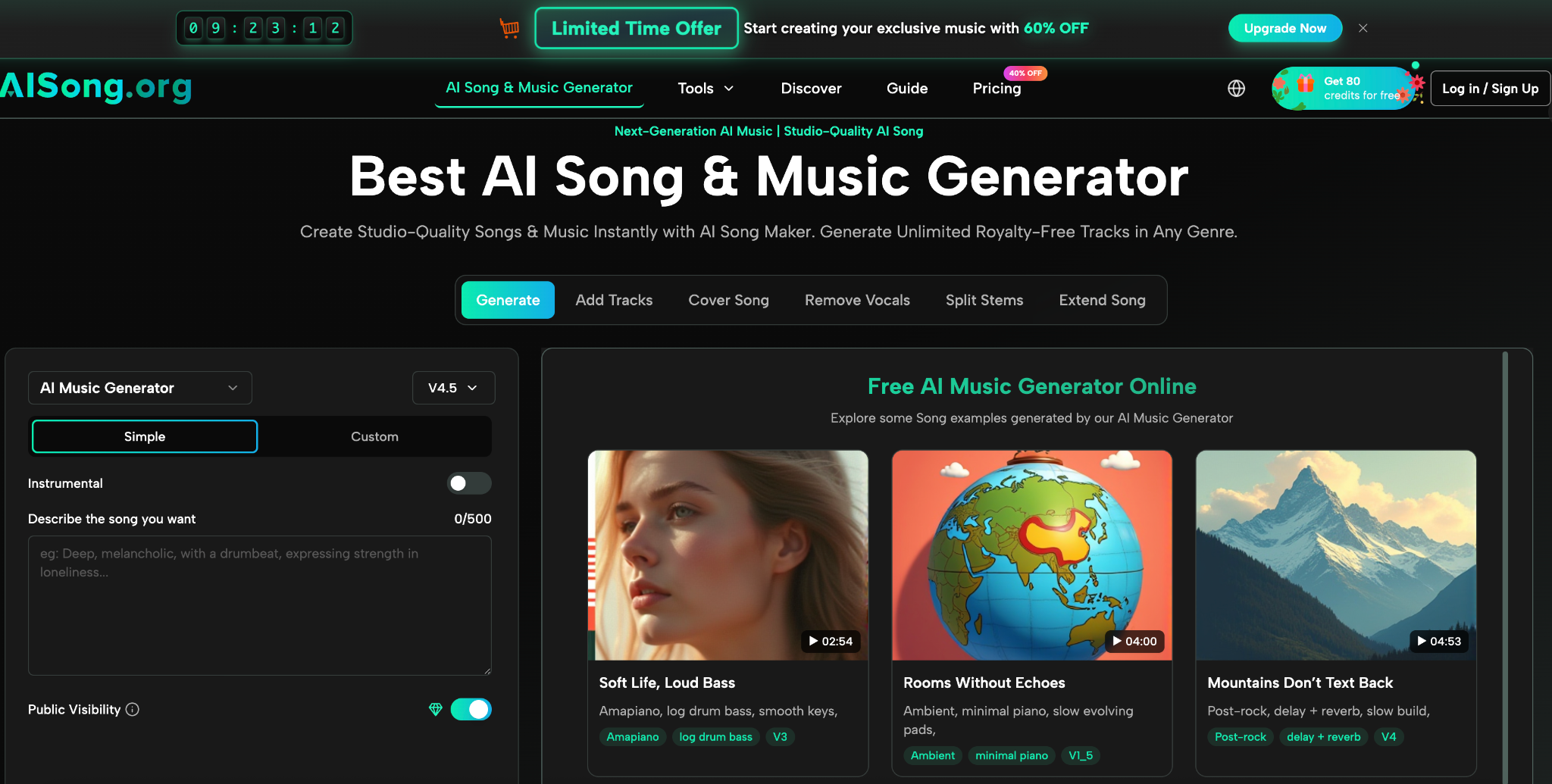
An AI Song Generator lets a team turn an inside joke, a shared project milestone, or a department’s identity into an actual song in minutes, and it’s turning out to be one of the more genuinely engaging additions to the team-building toolkit in years, precisely because it doesn’t feel like a forced exercise.
Why Traditional Team Buildings Often Fall Flat
Most team-building activities fail for a predictable reason: they ask people to perform connection rather than actually experience it. Trust falls, scavenger hunts, and personality assessments all share a common flaw, they’re activities done to a team rather than created by one. Employees can tell the difference between an activity designed to look good on an internal newsletter and one that produces a genuine shared moment. The activities that actually stick tend to have one thing in common: they result in something the team made together, something with enough personality that it couldn’t have come from any other group.
What Makes a Generated Song Different From a Typical Icebreaker
A song has a quality that most team-building exercises lack: it’s inherently shareable and rewatchable. A trust fall exercise produces a memory that fades within a week. A song, once created, can be dropped into a Slack channel, played at the start of a meeting, or used as an intro for a town hall, and it keeps generating small moments of shared recognition every time someone hears it again. That repeatability is a big part of why teams that try this once often keep coming back to it for future milestones, rather than treating it as a one-off novelty.
A Step-by-Step Approach for People’s Teams
For HR and people leaders considering this for an upcoming offsite, kickoff, or culture initiative, the process is straightforward enough to run without any external facilitator or specialized tool training. Here’s a practical framework that’s worked across different team sizes and contexts.
1. Anchor the Song to a Real Shared Experience
The strongest results come from grounding the song in something the whole team actually experienced together, a chaotic product launch, a running joke from a specific project, a nickname that stuck after an all-hands mishap. Generic prompts about “teamwork” and “collaboration” tend to produce forgettable output, while specific, slightly ridiculous shared memories produce something the team actually wants to listen to again.
2. Collect Input From the Whole Team, Not Just the Organizer
Rather than having one person write the prompt alone, the most engaging versions of this activity involve a quick collective input round, a shared doc where team members drop their favorite phrases, inside jokes, or moments from the past quarter. This turns the song creation itself into the team-building activity, not just the final output.
3. Choose a Genre That Reflects the Team’s Actual Personality
A finance team and a design team might reasonably choose very different genres for the same underlying content, and that’s the point. Letting the team vote on or debate the genre, whether it’s a corporate parody of a pop anthem or something closer to a genuine ballad, adds another layer of shared decision-making that makes the final product feel earned rather than assigned.
4. Build In a Reveal Moment
Rather than quietly sharing the finished track in a channel, treating the first listen as a small event, playing it at the start of a meeting or during a team lunch, gives the moment weight. Reactions during a group first listen are often where the actual bonding happens, more so than the song itself.
Where This Fits Into a Broader Culture and Engagement Strategy
People leaders experimenting with a Song Maker as part of onboarding, quarterly kickoffs, or milestone celebrations have found it works particularly well for distributed and hybrid teams, where opportunities for genuine shared creative moments are naturally more limited than in an office setting. A team that’s never met in person can still collaborate on writing a song together over a video call, and the resulting track becomes a shared artifact that persists well beyond the meeting itself, unlike most virtual icebreaker activities that are forgotten within days.
A Note on Keeping It Optional and Low-Pressure
Any activity that touches on creativity risks alienating employees who feel self-conscious about contributing, and the same caution applies here. The most successful implementations of this treat participation as genuinely optional, frame it as playful rather than mandatory, and avoid turning it into a performance review talking point.
The moment an activity like this starts feeling evaluative, it loses the exact quality that made it effective in the first place. HR teams that have had the most success position it explicitly as a fun, low-stakes addition to an existing gathering, not a standalone initiative that demands its own calendar invite and agenda.
Measuring Whether It’s Actually Working
Leadership will naturally ask whether a songwriting activity is worth the time. Its impact may not be measured through test scores, but several practical signals can show whether it genuinely improves engagement.
- Signal One: Voluntary Reuse: A strong activity is often requested again without prompting. Teams may suggest creating another song for a milestone or include the idea in future offsites, showing genuine interest rather than polite participation.
- Signal Two: Continued Use of the Output: A song that remains pinned in a team channel, appears in meetings, or is referenced months later has become part of the team’s shared culture. This organic reuse can provide more meaningful evidence than satisfaction surveys alone.
- Signal Three: Who Chooses to Participate: Effective low-pressure activities should attract quieter employees, newer hires, and people who usually avoid traditional team-building exercises. If only the same highly engaged employees participate, the format may not be lowering the barrier as intended.
These signals require no expensive tools or formal evaluation systems. People leaders simply need to observe whether employees voluntarily reuse, share, and engage with the output after the activity ends.
Conclusion
Employee engagement initiatives succeed or fail based on whether they produce something genuine or something performative, and most traditional team-building activities have drifted toward the latter over the years. A generated song, built collaboratively from a team’s actual inside jokes and shared experiences, sidesteps that problem by giving people something real to create together rather than an exercise to get through.
It won’t replace the deeper work of building genuine trust and psychological safety on a team, but as a low-cost, high-novelty addition to an existing culture strategy, it’s proving to be one of the more effective recent additions to the people team toolkit, precisely because it produces something employees actually want to keep.





