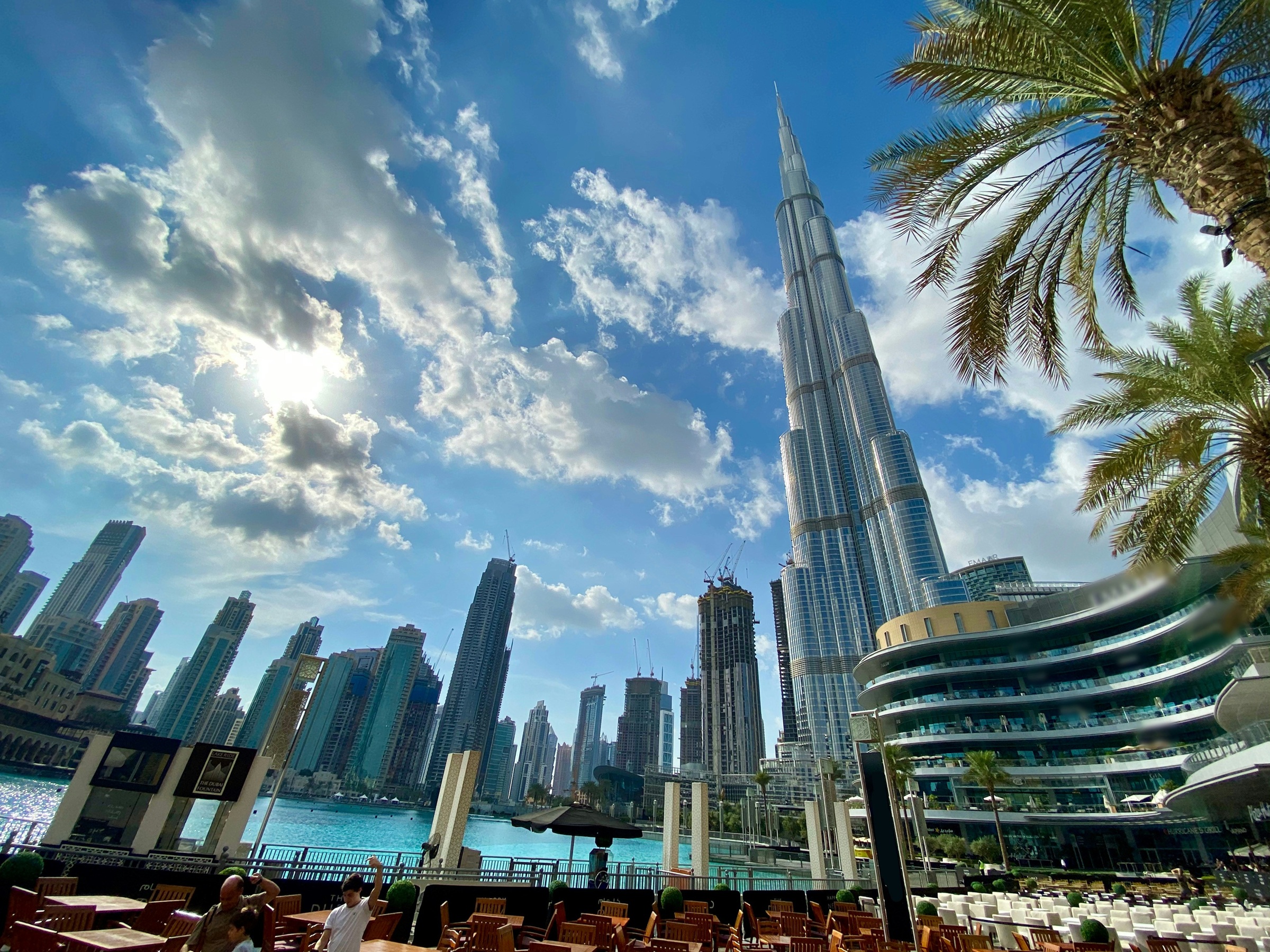
Real estate has always been more than concrete, steel, and glass; it is the architecture of human aspiration, community, and economic growth. In today’s global marketplace, the discipline of branding has emerged as central to how property developments are conceived, marketed, and ultimately trusted.
A strong brand can transform a blueprint into a recognizable identity, shaping buyer confidence and influencing investment flows. Innovation in design, technology, and regulation provides the framework, but branding gives it coherence and meaning. This intersection between innovation and brand strategy is reshaping how cities grow, how investors decide, and how communities perceive value.
Innovation In Dubai Real Estate
Innovation in Dubai real estate is not just about eye-catching skylines; it is about system-level upgrades that make the market faster, safer, and more transparent for global buyers of investment properties in Dubai. On the infrastructure side, authorities have piloted blockchain-based ownership tokenization—introducing formal certificates for fractional property stakes—so that rights can be verified digitally and traded more efficiently.
At the same time, open-data portals now publish transaction-level records that allow independent analysis of price trends, volumes, and locations—an essential foundation for evidence-based decision-making.
These digital moves sit on top of a decade-and-a-half of prudential regulation, including escrow rules for off-plan projects that ring-fence buyer payments and release funds only as construction progresses—an intervention designed to reduce counterparty risk and improve delivery discipline.
The results show up in activity data: Dubai recorded record procedures in 2024 and a further jump in transactions in the first half of 2025, indicating both depth and breadth in market participation.
Why Brand Is Now An Operating System, Not A Logo
In high-velocity property markets, brand functions like an operating system: it coordinates product design, pricing, customer service, governance, and disclosure. For developers and brokerages, that means codifying how projects are chosen, financed, built, and managed—and then proving it with verifiable evidence.
Because registries expose granular datasets and digital certificates can document ownership attributes, today’s brand narrative can be anchored in auditable facts: build-quality metrics, handover timelines, energy scores, community amenities, and post-handover service levels. When a brand compresses that evidence into simple promises (“on-time delivery with escrow safeguards,” “verified efficiency targets with third-party checks”), it reduces perceived risk and shortens decision cycles.
Data Storytelling That Survives Scrutiny
Today’s buyer journey starts in a spreadsheet. High-performing brands package verifiable data into simple, portable narratives: transaction density within one kilometer, historical price bands, median or modal rental yields, and escrow status linked to construction milestones. Because open datasets and regulator releases are timestamped, claims can be pinned to dates and refreshed as markets move.
Layer in geospatial context (proximity to mobility corridors, schools, and clinics), walkability, and lifecycle cost models for utilities and maintenance, and you transform abstract promise into decision-grade information. The result is confidence—buyers understand the “why” behind a price and the “how” behind an expected yield or resale outcome.

Photo by Sean Pollock on Unsplash
Proptech And Tokenization Reshape The Canvas
Digitization is expanding what a real-estate brand can be. Tokenized property certificates introduce fractional entry points that can broaden participation and create new liquidity signals over time; they also let operating policies (for example, distribution waterfalls or reserve funding) be expressed in code rather than prose.
Regionally, the UAE leads PropTech activity by funding share and firm count, accelerating the adoption of tools for CRM, leasing, maintenance, and investor reporting.
For brand strategists, the implications are twofold: first, product design must anticipate smaller ticket sizes and more data-savvy holders; second, communications must shift from brochures to dashboards that show live KPIs such as occupancy, energy intensity, and service-response times.
Urban Master Plans And Place Brands
City-level strategy creates scaffolding for private brands. Dubai’s long-horizon urban planning sets goals such as expanding green and recreational spaces, increasing land allocations for education and health, preserving natural areas, and concentrating growth along mobility corridors.
Those commitments reduce uncertainty about the direction of amenities and transport—two drivers of long-term value. Project-level brands can map their offerings to specific plan outcomes (“adjacent to planned corridor X,” “within the zone earmarked for new schools”), clarifying not just what exists today but what is scheduled over a 15- to 20-year horizon.
ESG That Investors Will Actually Believe
Sustainability messaging must move from claims to meter readings. Credible brands publish energy-use intensity, water savings, waste diversion, and embodied-carbon baselines, then tie management incentives to verifiable improvements. In hot climates, heat-resilient design—shading, reflective materials, airtight envelopes, and efficient cooling—functions as both a comfort feature and a risk-control for operating costs.
The point is not to win awards; it is to de-risk cash flows by cutting utility volatility and regulatory exposure. Aligning to recognized reporting frameworks and engaging third-party verification further compresses diligence for institutional buyers, who increasingly screen assets on ESG performance and disclosure quality.
Designing Brand Architecture For Multi-Product Portfolios
Many organizations straddle multiple price points and asset classes. A coherent brand architecture clarifies the promise at each tier without diluting the master brand. One practical approach is to define non-negotiables—safety, delivery discipline, after-sales service, and transparent documentation—that apply everywhere; then specify differentiators by segment, such as amenity stacks, material specifications, and smart-home features.
Document these rules in a playbook and enforce them in procurement and handover. Consistency across sites and managers builds equity faster than splashy campaigns, because customers internalize the pattern: “this brand shows up the same way every time.”
A Practical Framework To Build From Blueprint To Brand
- First, diagnose: audit market data, regulation, and customer pain points to isolate the sources of delay, distrust, and cost.
- Second, design: set product–market fit, unit mixes, and amenity bundles substantiated by local transaction evidence and by the city’s stated growth corridors.
- Third, digitize: implement CRM, escrow tracking, defect-management, and data pipelines that persist from construction into facilities management.
- Fourth, demonstrate: publish dashboards that connect claims to verified inputs—permits, escrow status, construction milestones, energy metrics—so anyone can audit the promise.
- Fifth, delight: operationalize post-handover service with clear service-level targets and visible recovery protocols when things go wrong.

Photo by Melanie Deziel on Unsplash
Wrapping Up
From Dubai’s regulatory transparency to global advances in PropTech, the real estate industry demonstrates how innovation and branding can combine to create markets defined by trust, liquidity, and resilience. A blueprint may establish the structure of a building, but a brand determines its reputation and long-term relevance.
When brands are supported by verifiable data, clear regulation, and measurable sustainability outcomes, they evolve into more than marketing—they become governance tools. For investors, residents, and cities alike, the message is clear: innovation drives progress, but branding secures belief, turning properties into enduring symbols of value and confidence.