

Let me guess. You just looked at your monthly software report and saw your new chatbot had ten thousand conversations. You feel like a genius. But how many of those chats actually made you a dollar? Or saved you one?
Tech vendors absolutely fleece most business owners I talk to. They sell AI solutions based purely on vanity metrics. Deflection rate is the biggest lie in the tech industry today. Sure, the bot handled eighty percent of your inbound queries. But if those customers just got frustrated by circular menus and left your site, you didn’t deflect a ticket. You deflected a paying customer.
We get obsessed with the shiny new toys. We read tech blogs and think we need to automate everything immediately. We forget the basic math of running a profitable company. You need hard numbers to justify this tech. You need to know exactly what this bot contributes to the bottom line, rather than just celebrating a high volume of meaningless digital chatter.
Time Saved Equals Money Kept
The first and most obvious place to look for real ROI is your labour costs. Human time is incredibly expensive. You want your staff handling complex problems, not acting like a human FAQ page.
Last year I worked with a medium-sized financial firm based in Sydney. They were drowning in basic query emails. People constantly asked about opening hours, password resets, and generic fee structures. We deployed a smart chatbot specifically to handle these repetitive questions.
Before the bot, their average cost per support ticket was around $22. After three months of actively training the AI on past ticket logs, the cost dropped to $4 for automated interactions.
But you must also calculate the associated risks. If your bot spits out bad advice, the financial blowback wipes out any minor savings you made on staff hours. You do not want a robot making financial or operational promises that you are legally required to keep. Once you establish that safety net, you measure the difference in the number of human hours logged before and after the bot launch. That gap is your baseline financial return.
Closing Deals Instead of Just Chatting
A chatbot is basically useless if it operates in a vacuum. It needs to talk directly to your sales system.
If a user asks about pricing or product availability, the bot should capture their email, log their specific interest, and hand it straight to your sales team. This is where the real magic happens. A simple chat interaction should convert into a tangible lead in your pipeline.
I learned this the hard way. A few years back we built a bot that was friendly and genuinely helpful. But it sat completely disconnected from our sales team. We fixed this massive leak by bringing in a specialised hubspot partner to wire the chatbot directly into our CRM. Suddenly, every qualified chat triggered an immediate task for a sales rep. We stopped losing warm leads to the void.
To track this part of your ROI, you measure the pipeline value generated directly from bot interactions. Look at your monthly sales figures. Filter those numbers by leads where the first touchpoint was the chatbot. Compare that specific revenue against the monthly subscription fee of the AI software.
If the bot costs five hundred bucks a month and brings in five grand of closed deals, your ROI is rock solid. If it brings in absolutely nothing, you just have an expensive digital parrot on your website.
Customer Retention and The Local Advantage
People absolutely hate waiting. If an Aussie customer is awake at two in the morning and wants an answer about your services, they expect it right then. They will not wait for your office to open at nine.
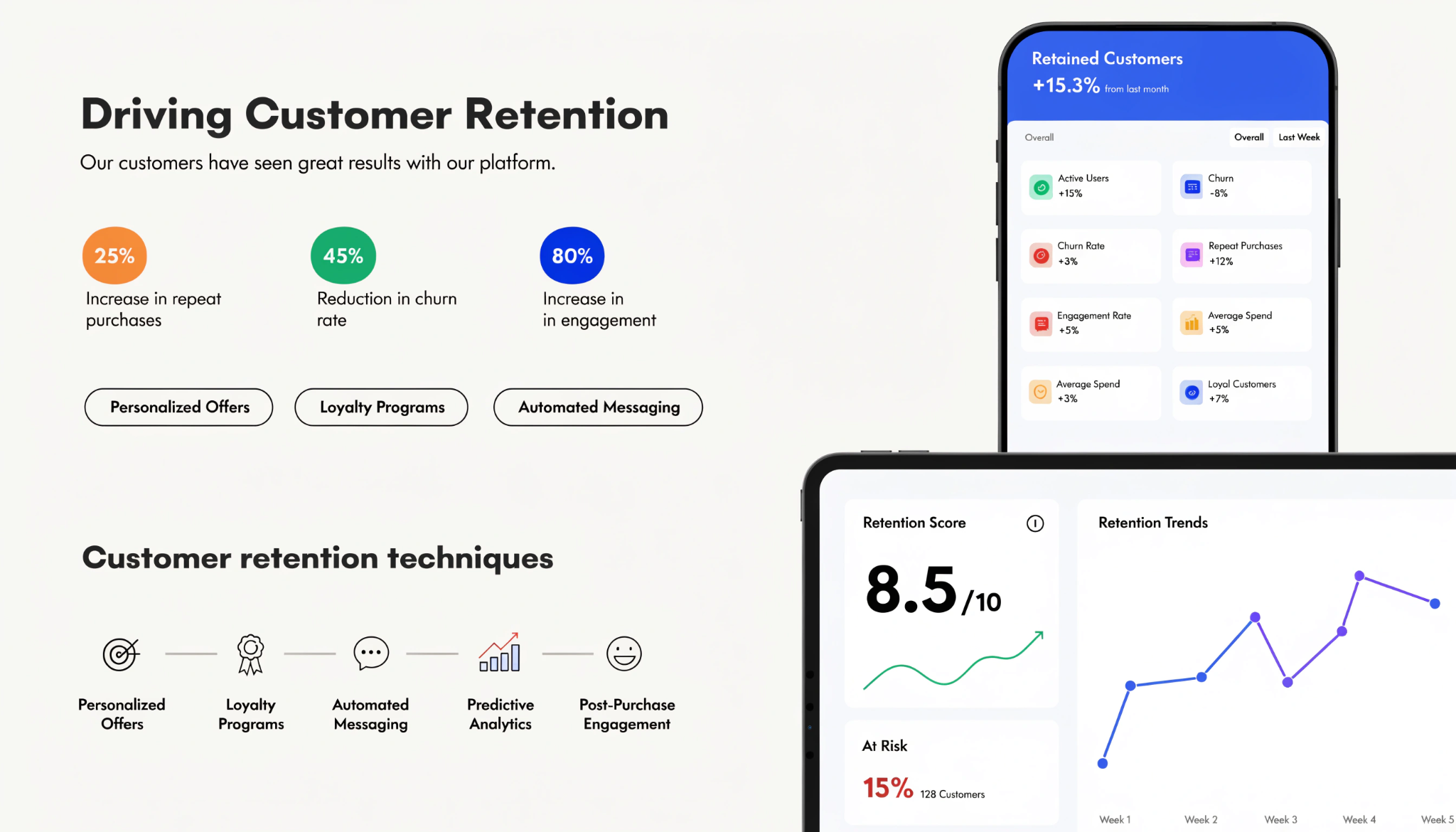
A good bot provides instant gratification. This builds brand loyalty fast. But measuring loyalty feels tricky for most business owners. How do you actually quantify a happy customer? You look at your repeat purchase rate and your customer churn rate.
Let’s say you run a service business down the South Coast. You are spending serious cash on a dedicated campaign for seo wollongong to get local eyes on your website. Traffic is spiking nicely. But if those locals hit your site after hours, find no easy way to get immediate answers, and bounce straight to a competitor, your marketing budget goes straight down the drain.
You paid for the click, but you lost the conversion.
The bot catches that expensive traffic. It engages the local lead while you sleep. Measure the conversion rate of after hours traffic before you installed the bot versus after. That lift in conversions from people who would have otherwise left your site represents pure profit. It ensures your marketing dollars actually result in booked jobs.
The Real Cost of Setup and Maintenance
Don’t forget the hidden costs. AI isn’t plug and play. It requires constant feeding and watering to stay useful.
You have to spend hours uploading your company’s knowledge base. You have to review the transcripts weekly to see exactly where the bot gets confused. You are paying for the software, but you are also paying for the staff time required to manage the software.
Bots get stupid very quickly if you don’t update their training data when your products or policies change.
To get your true ROI figure, add up the monthly software fee, the setup costs amortised over a year, and the weekly staff hours spent on system tweaking. Subtract that total sum from the money saved on deflected support tickets plus the new revenue generated from bot-captured leads.
If the final number is green, keep optimising the system. If it’s red after six months of trying, rip the system out. Don’t keep paying for a tool just because AI is the current buzzword everyone is talking about.
Business is about making money, plain and simple. Treat your chatbot like an actual employee. If it doesn’t pull its weight, let it go.





