
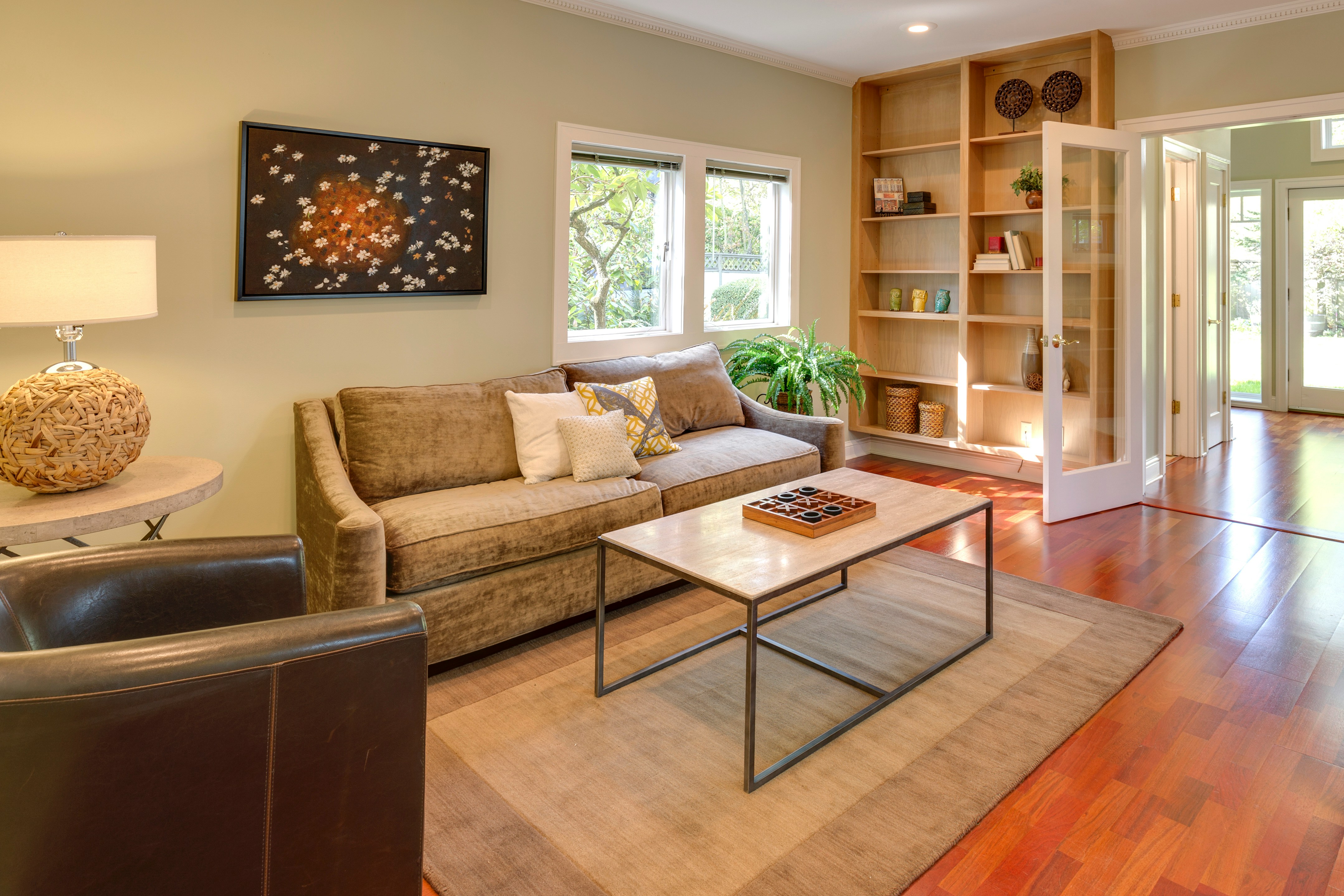
A home that’s built to last can handle all the daily wear and tear, changing needs, and unexpected hiccups without constantly needing fixes. We’re not talking about turning your place into a fortress or loading it up with complicated gadgets. It’s really about making smart choices from the get-go when it comes to layout, materials, and how you keep things up.
A home that’s well-prepared stays comfy and useful for longer, which is great for your wallet and cuts down on all the waste from early renovations.
Strategic Planning for Longevity
Let’s start by taking a good, practical look at your property. Figure out which spots get the most exposure to water, heat, heavy foot traffic, and the changing seasons. Things like roof edges, outside openings, bathrooms, and entryways often need a bit of love before you even think about decorative touches.
When you look at resilient rebuilding principles, it really highlights how important it is to think about the future, not just replace broken stuff exactly as it was. Try to apply that idea whenever you’re renovating. For example, it’s a good idea to sort out your drainage before putting in new landscaping, or fix poor bathroom ventilation before you replace the finishes.
Try to sketch out a 10-year plan that separates the urgent jobs from the things you know will need replacing eventually. Keep all your installation dates, warranties, and product details in one digital folder. That way, future repairs won’t feel like a detective mission.
Investing in Durable Materials
When you’re picking materials, think about how long they’re expected to last, how easy they are to fix, and if they’re right for the room. A cheap price tag can be deceiving if something needs replacing after just a few years. For instance, flooring in an entryway should be able to handle moisture and grit, while kitchen surfaces need to stand up to heat and frequent cleaning.
Don’t forget about the smaller bits that get used every single day. Hinges, latches, cabinet pulls, and handles might get touched thousands of times a year. If you’re going for a traditional look, homeowners and designers might want to check out door handles and fittings in antique brass to go alongside the room’s doors, cabinets, and other fixtures.
Before you order anything, always ask for care instructions, samples of the finish, and the warranty terms. And make sure replacement parts will be available if one small piece wears out.
Design That Stands the Test of Time
Long-lasting design isn’t so much about picking a specific style; it’s more about building a solid, consistent base. For permanent elements like flooring, built-in storage, and interior doors, it’s usually best to go with adaptable colors and simple shapes. You can let paint, fabrics, and smaller accessories carry the stronger trends since they’re much easier to update later.
The technical guidance on resilient home design also shows why your home’s outer shell and the materials you choose should really work together. A beautiful room won’t hold up well if moisture sneaks in behind the walls or if sunlight quickly fades its surfaces.
Keep things simple when it comes to transitions. Having the same flooring flow between connected rooms can get rid of awkward bumps, and repeating finishes helps additions look like they were always meant to be there, not just tacked on over time.
Minimizing Future Maintenance Needs
Design each area so that routine upkeep is a breeze. If a filter, shutoff valve, or access panel is hard to get to, you’re probably going to put off maintenance. Make sure there’s enough space around any equipment that needs servicing, and try not to cover up important access points with built-in cabinets.
A few smart choices can really cut down on ongoing chores: use washable paint in busy hallways and family rooms, pick stain-resistant surfaces around sinks and food prep areas, install good ventilation in rooms that tend to get damp, keep plants and soil away from your outside walls, and choose fixtures where you can replace individual parts instead of having to swap out the whole thing.
Try to schedule two quick home checks every year. Look for cracked caulk, slow drains, loose fittings, and any signs of moisture. Catching small problems early usually means they’re faster and cheaper to fix before they start affecting other materials.
Adaptability in Home Design
It’s rare for a household to use every room the exact same way forever. A spare bedroom might become an office, or a play area could later need to be a quiet study space. Flexible design helps reduce the cost and hassle when those changes happen.
Make sure you have enough electrical outlets, reliable lighting, and storage that isn’t just for one specific thing. A movable shelving unit, for example, gives you more options than a super specialized built-in. Wider hallways and step-free entryways can also make your home easier for kids, visitors with luggage, or residents whose mobility needs might change.
Before you change a floor plan, try to imagine three realistic ways you might use each room over the next ten years. If the current layout only works for its present purpose, it’s a good idea to tweak the design while changes are still easy to manage.
Building a resilient home really starts with one clear record of what your place needs. This week, take a walk through each room, jot down the installation dates and condition of its main surfaces and fixtures, then pick the first thing to tackle before it gets bigger.




