

In the hyper competitive landscape of digital advertising, the success of a paid search campaign hinges on millions of micro-decisions made in fractions of a second. For years, marketers relied on manual adjustments and complex spreadsheets to navigate this terrain. Today, that approach is obsolete.
It’s the quiet and powerful rise of artificial intelligence. Guesswork and intuition are being replaced by predictive analytics and algorithmic precision.
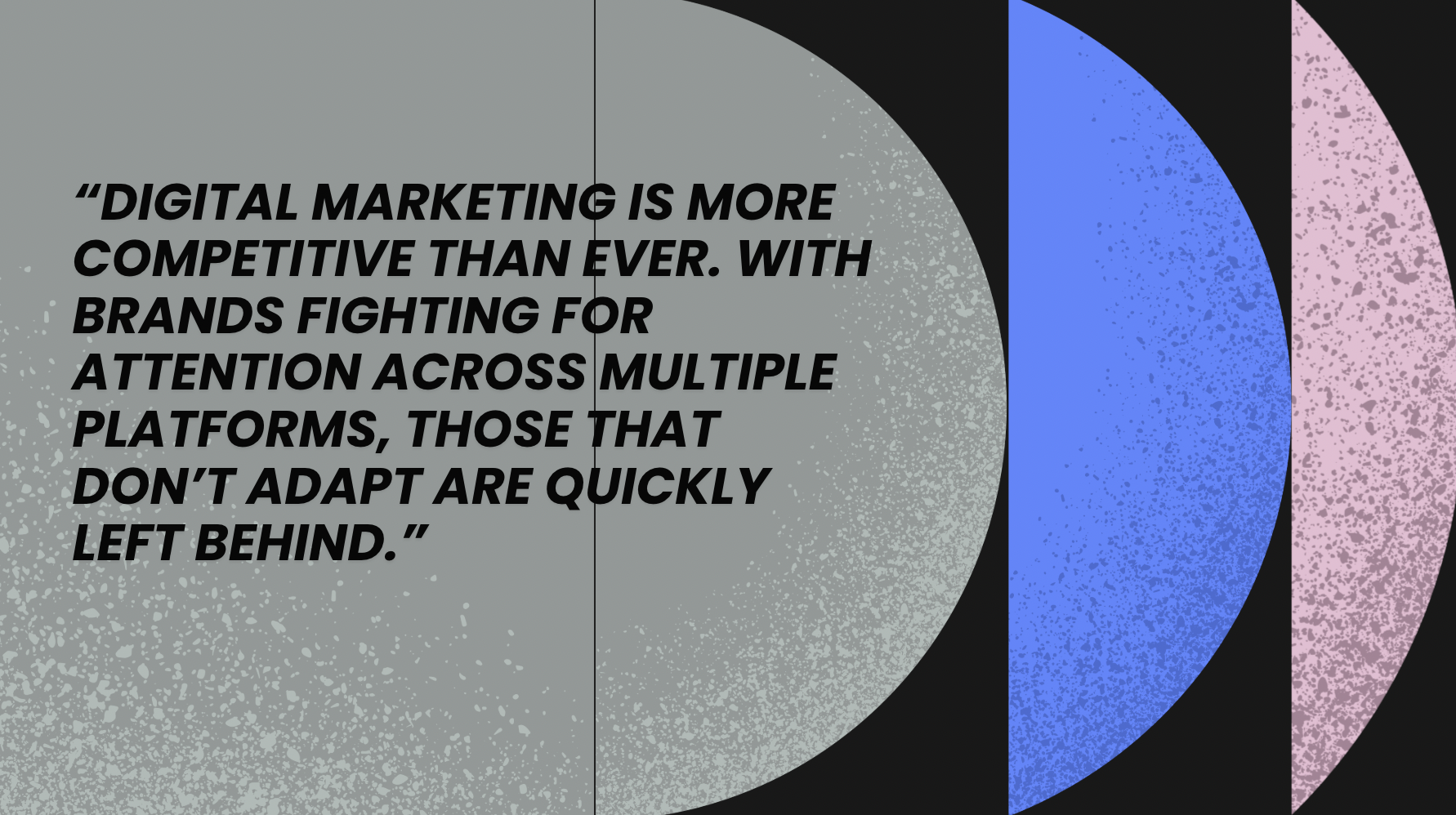
Affiverse, a platform that educates marketers, simply puts it:
Paid searches happen when a brand or business pays search engines like Google so that the search engine will display its advertisement with its website at the top of the search results page.
This is just the first step toward getting noticed online. Using paid search for website visibility can help your brand appear in front of the right audience exactly when they’re looking for your products or services. This approach ensures you’re not just present in search results, but strategically positioned to drive more traffic and conversions.
For instance, if the search phrase is “trending shoes,” a business selling these shoes may pay so their products appear at the top of Google results, above the organic, usually unpaid, search results.
However, to gain more success in your paid search campaigns, the use of intelligent bidding systems is highly recommended. These are enabling marketers and business owners to achieve better efficiency, higher conversions, and more substantial ROI by making smarter, data-driven decisions in real time. Let’s take a closer look.
Not Just a Made-Up Term: Intelligent Bidding in a Nutshell
Intelligent bidding, otherwise referred to as smart bidding, isn’t just a randomly made-up term. It is a real, fundamental concept that refers to AI-powered automated bidding strategies used in platforms like Google Ads and Microsoft Advertising.
Unlike traditional bidding approaches, where marketers manually set and adjust bids for each keyword, intelligent bidding uses machine learning algorithms to predict the likelihood of a conversion and adjust bids automatically.
This prediction process is based on a wide range of signals, including device type, location, time of day, audience behavior, and historical performance.
The primary advantage is that intelligent bidding can respond to changes in user behavior and competition faster than any human could. By processing large datasets and continuously learning from campaign results, these systems optimize bids for each auction, ensuring your ad spend is allocated where it has the highest potential to generate returns.
How Intelligent Bidding Works With AI
Smart bidding is a strategy that makes use of AI. In its most general sense, it uses Google’s AI to optimize for conversions or conversion value in each bid, a concept known as “auction-time bidding.”
That being said, intelligent bidding has the following specific strategies:
- Target CPA
- Target ROAS
- Maximize conversions
- Maximize conversion value
Benefits of Intelligent Bidding for Businesses and Marketers
AI-powered bidding strategies, like intelligent bidding, offer a full suite of benefits that can directly impact your campaign’s performance and ROI, thus boosting your revenue. These are:
1. Enhanced Efficiency: No Constant Tracking and Frequent Adjustments
Constant tracking and the tiring, repetitive adjustments are usually what happen with manual bidding. Time-consuming and prone to human error? Yes.
These won’t happen with intelligent bidding, which automates the entire process, letting markets focus more on strategic initiatives, such as audience segmentation, campaign scaling, and creative optimization.
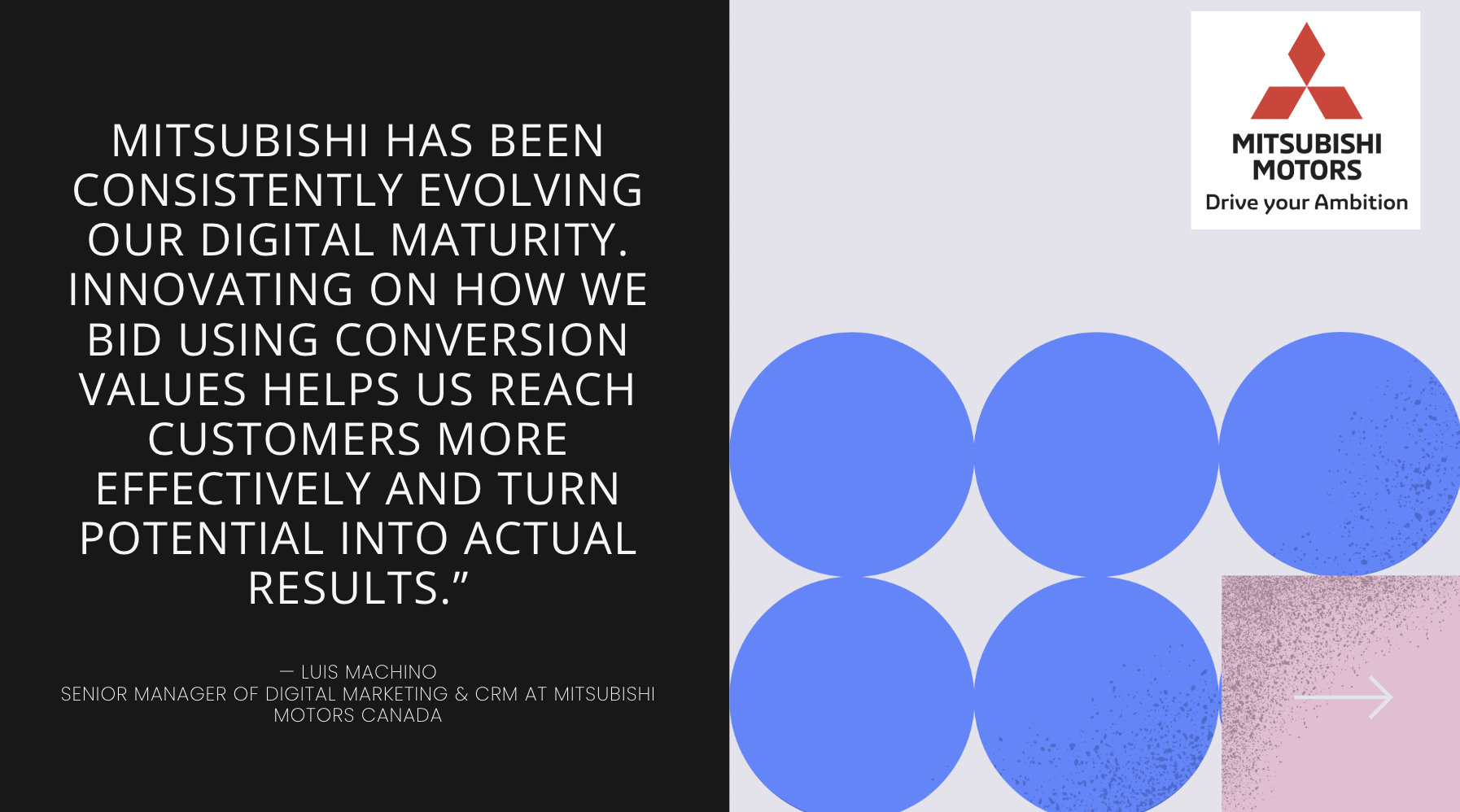
Real-life example: Mitsubishi Motors implemented a smart bidding strategy, particularly value-based bidding, which was why it was able to generate higher-quality leads while reducing cost-per-acquisition.
2. Higher Conversion Rates: Identify Patterns
Intelligent bidding systems are capable of analyzing historical data and real-time signals. Thus, this strategy can identify patterns that lead to better conversions. In other words, by investing in smart bidding, campaigns become more efficient at generating leads and sales.
Real-life example: Let’s go back to Mitsubishi Motors one more time. Its value-bidding enabled it not only to gain a 107 percent increase in ROAS, but also a whopping 104 percent increase in conversions!
3. Optimized Budget Allocation: No Wasted Resources
AI ensures your budget is spent on clicks most likely to convert. Rather than spreading spend evenly or based on static rules, intelligent bidding channels funds toward high-value opportunities, reducing wasted spend and increasing ROI.
Real-life example: Mexico’s luxurious Sandos Hotels & Resorts, branding itself as one of the world’s most popular all-inclusive hotel chains, is a prime example of this advantage. Specifically, they used Google’s smart bidding feature to reduce the costs per booking, allowing them to save more on other projects. As a result, conversion rates increased by 88 percent and ROI increased by 60 percent.
4. Real-Time Adaptation: Instant Responses
Markets and audience behaviors change rapidly. AI-driven bidding responds instantly to these shifts, whether it’s a competitor entering the market, seasonal demand fluctuations, or unexpected changes in search volume.
Real-life example: Popular eCommerce platform, JD.com, launched its very own AI solution that managed bidding decisions within real-time online auctions during one of their biggest sale events. The result: a considerable increase in advertiser ROI and its ad revenue surging by over 50 percent. Were their campaigns more effective? From those figures, it’s hard to say the opposite.
Best Practices and Takeaways
Before ending this talk, businesses and marketers must follow some amazing practices so they can maximize the results from AI-driven bidding, such as smart bidding. These practices are:
- Implementing accurate conversion tracking
- Giving the system adequate time to learn
- Segmenting campaigns strategically
- Using high-quality creative and landing pages
- Tracking performance and adjusting goals
To wrap it all up, success with intelligent bidding depends on accurate tracking, patience during the learning phase, and ongoing optimization. With the right strategy, AI-powered bidding can transform paid search from a manual, reactive process into a highly efficient, predictive engine for growth. The businesses that embrace these tools now will be better positioned to thrive as digital advertising continues to evolve.





