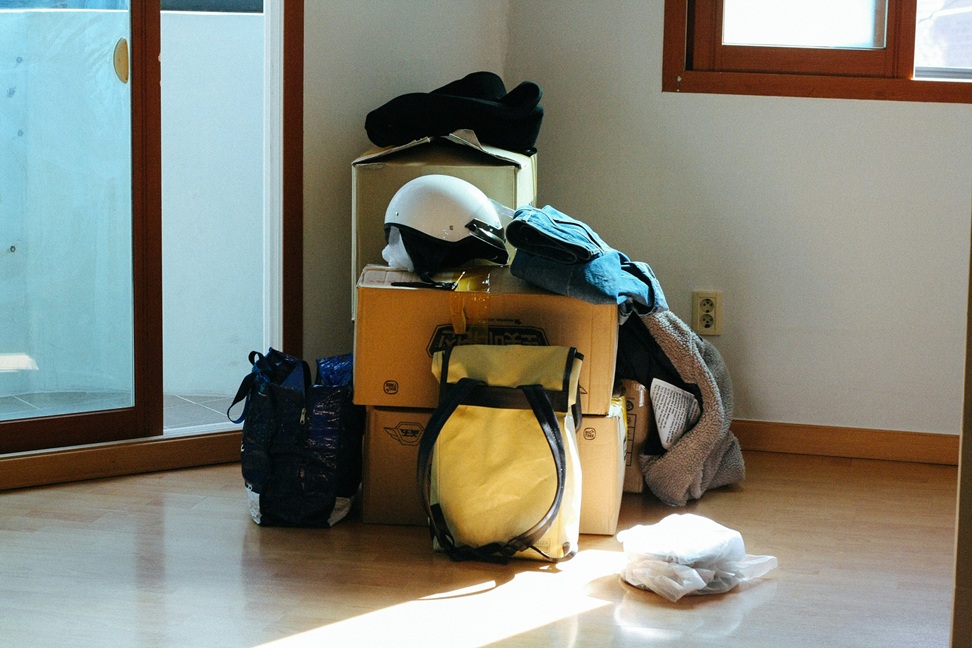
Relocating to another country rarely starts with logic. It starts with a feeling. Quiet pull toward something different. New streets seem to promise change. New languages carry a sense of mystery. The future is unknown; it is nearly infinite.
Then reality comes, but it does not come as a shock; it comes as an unfolding. Relocation starts to make its way into daily life in unpredictable ways. The common rhythm goes away. Efforts are needed in small things. Even ordinary dialogues may seem like puzzles to be solved.
This shift is not just external. It reaches inward. It changes how time is felt, how confidence is built, how identity takes shape. What once felt stable becomes flexible. What once felt certain becomes open.
The invisible weight of change
The hardest part of relocation is rarely visible. It hides inside ordinary moments. Standing in a store without knowing what to buy. Listening without fully understanding. Searching for the right word and not finding it. These moments repeat throughout the day. They do not seem dramatic, yet they accumulate. Slowly, they build an insidious pressure that can be ignored. At this stage, it may be useful to reduce the stress in reality. This is where services like Elatemoving, a professional relocation company that takes care of the logistical side of moving, become especially valuable, freeing up time and mental energy for adjusting to a new environment. Some difficulties have a form nearly invisible:
- Familiar connections feel distant, even with constant communication
- Cultural signals are unclear and easy to misread
- Daily tasks require patience and extra attention
- Self-expression feels incomplete without full language confidence
These experiences can feel isolating. Still, they are temporary. They are signs that a new way of living is forming.
Opportunity hidden inside discomfort
Discomfort has a purpose. It interrupts familiar patterns and forces change. In that interruption, something new begins. Each unfamiliar situation becomes a small test. Over time, these tests build confidence. What once felt difficult starts to feel manageable. Then it becomes natural. Growth appears quietly but consistently:
- Confidence builds through repeated small wins
- Perspective expands with every new interaction
- Communication becomes clearer and more thoughtful
- Independence strengthens step by step
These changes are not noisy and abrupt. They are formed deep within and make a more resilient and adaptable self.
The emotional timeline of relocation
Relocation moves in phases. At first, everything feels fresh. Curiosity leads the way. New experiences feel exciting and full of possibility. Then the contrast sharpens. Differences become more noticeable. Frustration appears in small ways. Doubt may follow, even without a clear reason. This stage can feel confusing, yet it marks real progress. It shows that surface impressions are giving way to deeper understanding. With time, balance returns. The unfamiliar becomes familiar. Confidence grows again. Daily life finds a new rhythm that feels natural. Recognizing this cycle helps maintain perspective. What feels difficult is often a step forward, not backward.
Building a new sense of home
Home does not appear instantly. It forms slowly, through repetition and connection. It grows out of small, consistent experiences. A favorite place to walk. A meal that feels comforting. A conversation that feels easy. These moments begin to anchor daily life. Relocation does not leave the past behind, but incorporates the past and the present. Old customs still exist, and new ones are formed. This mixture brings about stability in an alien environment. The environment is perceived differently with time. It stops feeling temporary. It gets integrated into daily reality. The unfamiliar turns into something personal.
Conclusion
Moving to a new country is not simply a movement through space. It is a change of perception and identity. Growth and challenges are closely related. Every instance of uncertainty provides learning space. Every challenge is a strength that is developed silently. At some point, relocation is not a decision. It becomes an experience that changes the meaning of life and belonging to something that seemed initially foreign.