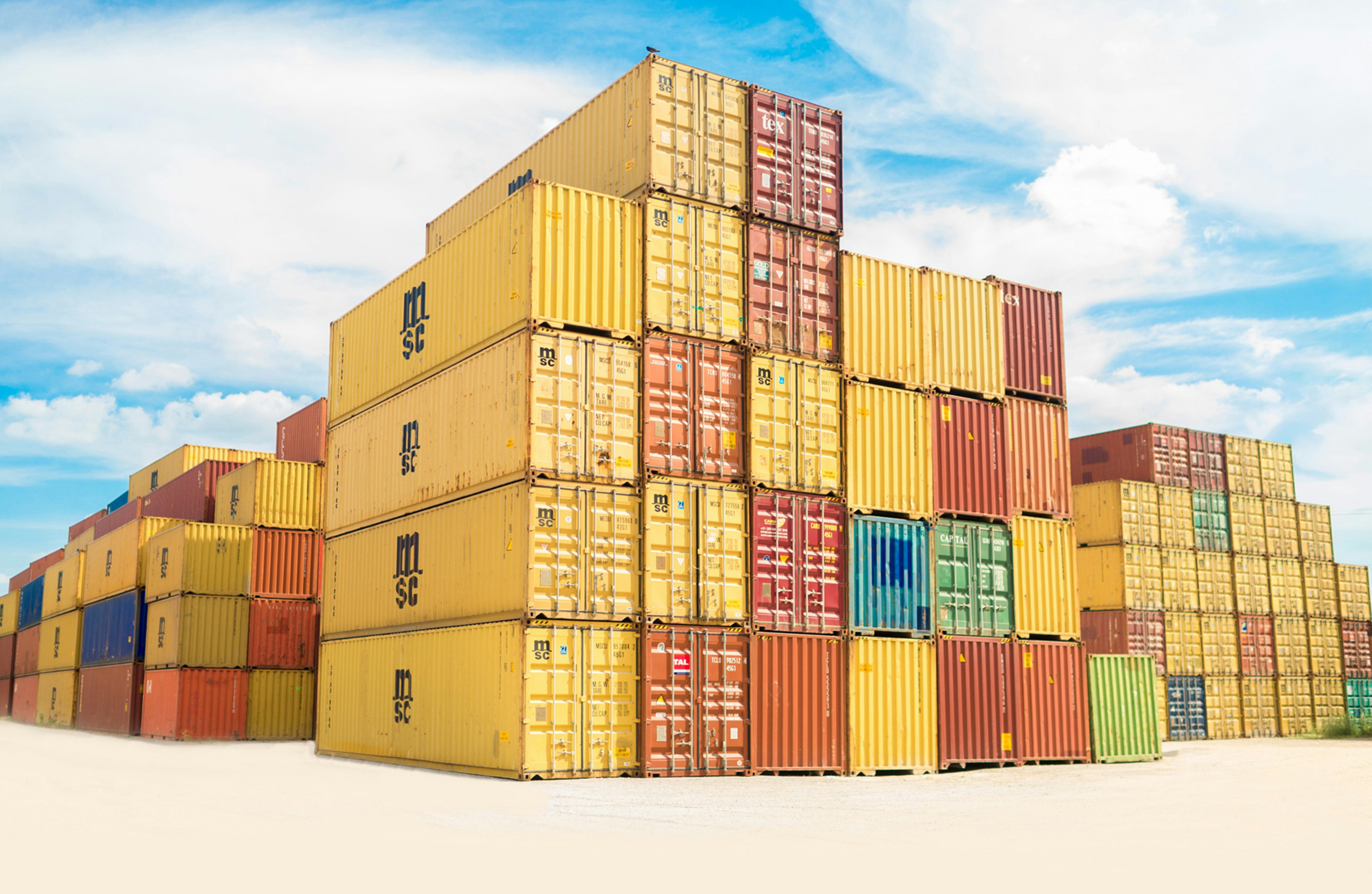
As demand for modular infrastructure, adaptive building, and flexible logistics grows, container-based business models are emerging as scalable solutions. But scaling such a business is not just about adding more units.
Because containers are physical assets, success depends on mastering three interlocking dimensions: standardization, local adaptation, and cost geography. Below, we ground these ideas with data and strategic insights.
The Supply Base: Containers For Sale And Its Strategic Calculus
A container solutions business must begin with a robust understanding of the base input: containers for sale. The global shipping containers market is projected at about USD 10.27 billion in 2025, with forecasts growing to USD 12.77 billion by 2030 (CAGR ? 4.46 %). Meanwhile, the container homes market is growing even faster: in 2023 it stood at USD 61.83 billion and is forecast to reach USD 108.70 billion by 2032 (CAGR ~6.7 %) . Other forecasts put the 2024 base at USD 66.05 billion and project USD 126.57 billion by 2034 (CAGR ~6.72 %).
These broad numbers show that demand is expanding, but they hide significant heterogeneity by region, container type (new vs used, standard vs modified), and final use (logistics, housing, pop-up retail). Pricing for containers is strongly location-sensitive: supply congestion at ports depresses prices locally, while inland scarcity causes markups. Factors influencing container pricing include inventory levels, shipping and repositioning costs, regional demand, and local regulatory constraints.
When scaling, a prudent operator conducts detailed regional cost models: e.g. compare the landed cost of imported containers plus transport vs local refurbishment of used stock. Because used containers can vary widely in condition, refurbishment costs must be estimated (e.g. steel repairs, painting, structural strengthening). Best practice is to maintain a “core standard stock” of ISO 20-ft and 40-ft units (the global de facto norms) and layer a modular add-on catalog (insulation kits, HVAC modules, solar power kits) for flexibility.
Forecasting container demand at the region or city level is also essential. Overcommitting capital to unused inventory is prohibitively expensive (storage, insurance, opportunity cost). Many firms adopt data-driven forecasting—machine learning or statistical models combined with market signals—to allocate container units to regions offering the highest utilization prospects.
Standardization: The Engine Of Operational Scale
One of the greatest leverage points for scaling is standardization. Because shipping containers follow global ISO dimensions (e.g. 20-foot by 8-foot by 8.5-foot or 9.5-foot high), they inherently reduce variation across markets. This simplifies modification design, equipment tooling, staff training, spare parts management, and logistics handling.
The cost advantages of container transport stem in large part from standardization: containerization reduces handling complexity and lowers transport costs relative to traditional break-bulk by up to 20× in some intermodal chains.
But strict uniformity is rarely optimal for final customers. The smart scaling model is to define a tiered standard–custom architecture:
- Core standard units (ISO sizes, uniform structural elements)
- Certified modular add-ons (prequalified options like insulation modules, HVAC drop-ins, electrical kits)
- Local customization layers (local finishes, regulatory-required elements, façade modifications)
This approach gives economies of scale in upstream operations, while preserving enough flexibility to serve niche or region-specific use cases.
Standardization in circular economy design is gaining institutional traction: frameworks such as ISO 59040 (Product Circularity Data Sheet) are emerging to codify reuse, repairability, and modular data—echoing the way containers standardized global logistics.
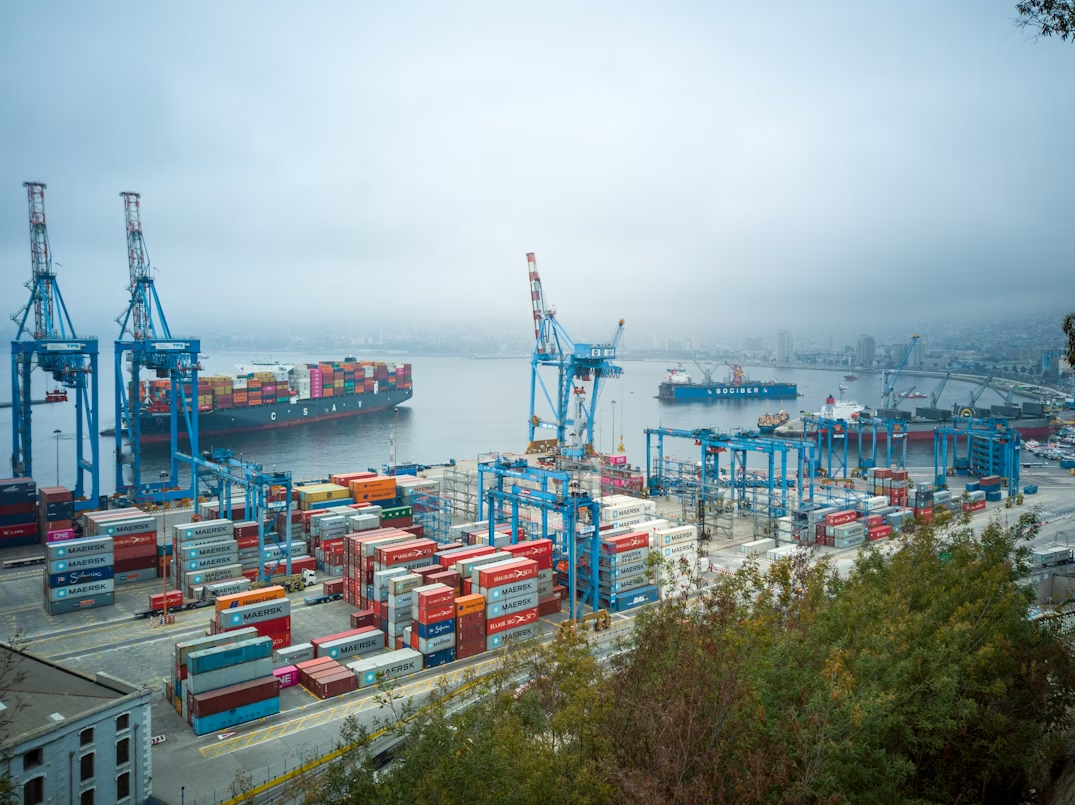
Photo by David Vives on Unsplash
Local Adaptation: Tailoring To Climate, Regulation, And Market
While standardization drives scale, expansion into new geographies demands adaptation. Local climate is a powerful constraint: a container conversion in northern Europe or Canada may require insulation R-values of R-20 or more, double walls, humidity control and heating systems, while in tropical or desert zones ventilation, radiant heat control, and shading dominate. If a business offers container housing, its buildings will likely need different thermal envelopes in each climate zone.
Regulatory landscapes vary. Some jurisdictions classify container structures as “temporary buildings” and exempt them from full building codes; others treat them as permanent dwellings, requiring full compliance with structural, fire, accessibility, and insulation rules.
Before entry, a business must secure local approvals, which often involves working with local regulatory consultants or anchor local partners to adapt design packages to local codes.
Market segmentation also requires adaptation. In emerging markets, affordability and simplicity may matter more than aesthetics, while in urban developed markets, buyers value architectural finishes, eco-branding, and unique design. Marketing messaging, financing terms, and service bundles must adapt regionally—one size does not fit all.
One practical tactic is to engage local pilot projects in new markets: small-scale flagship builds or leasing trials to test acceptance, legal hurdles, and operational challenges before full rollout.
Market Demand & Economic Viability
To justify scale, demand must be robust and sustained. The container home and modular building sectors present evidence of strength. As mentioned, the global container homes market is forecasted to more than double over the next decade (to USD 108.7 billion in 2032) , and estimates for container housing/structures more broadly place CAGR at around 6.7 % to 7.0 % .
As for costs, a commonly cited benchmark: container home construction costs range from USD 350 to USD 1,200 per square meter, with modest single-module builds starting around USD 10,000, and more standard two-bedroom configurations from USD 30,000 to USD 80,000—before land and utility hookups.
In one model, for Do-It-For-Me (DIFM) builds, the cost can reach USD 35,000 ± 50 % per TEU (twenty-foot equivalent unit) basis.
These figures imply that container-based housing or modular units can be competitive with conventional construction, particularly in markets where labor or materials are high. But the margin depends heavily on minimizing waste, optimizing logistics, and reducing local adaptation costs.
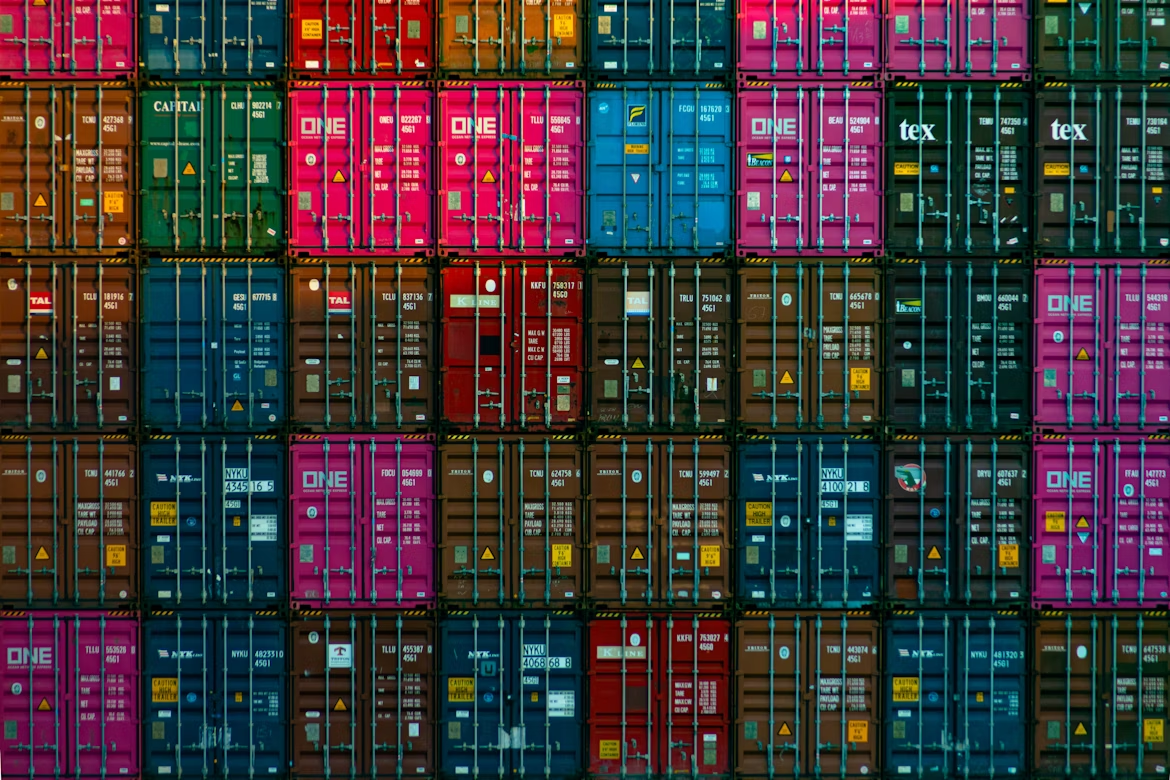
Photo by Teng Yuhong on Unsplash
Wrapping Up
Scaling a container solutions business is a complex challenge—but one rich with opportunity if the strategic levers are managed intelligently. The foundation lies in understanding containers for sale as both a commodity and a modular asset. From there, standardization unlocks operational scale, local adaptation ensures relevance and compliance, and cost geography maps determine where profits lie.