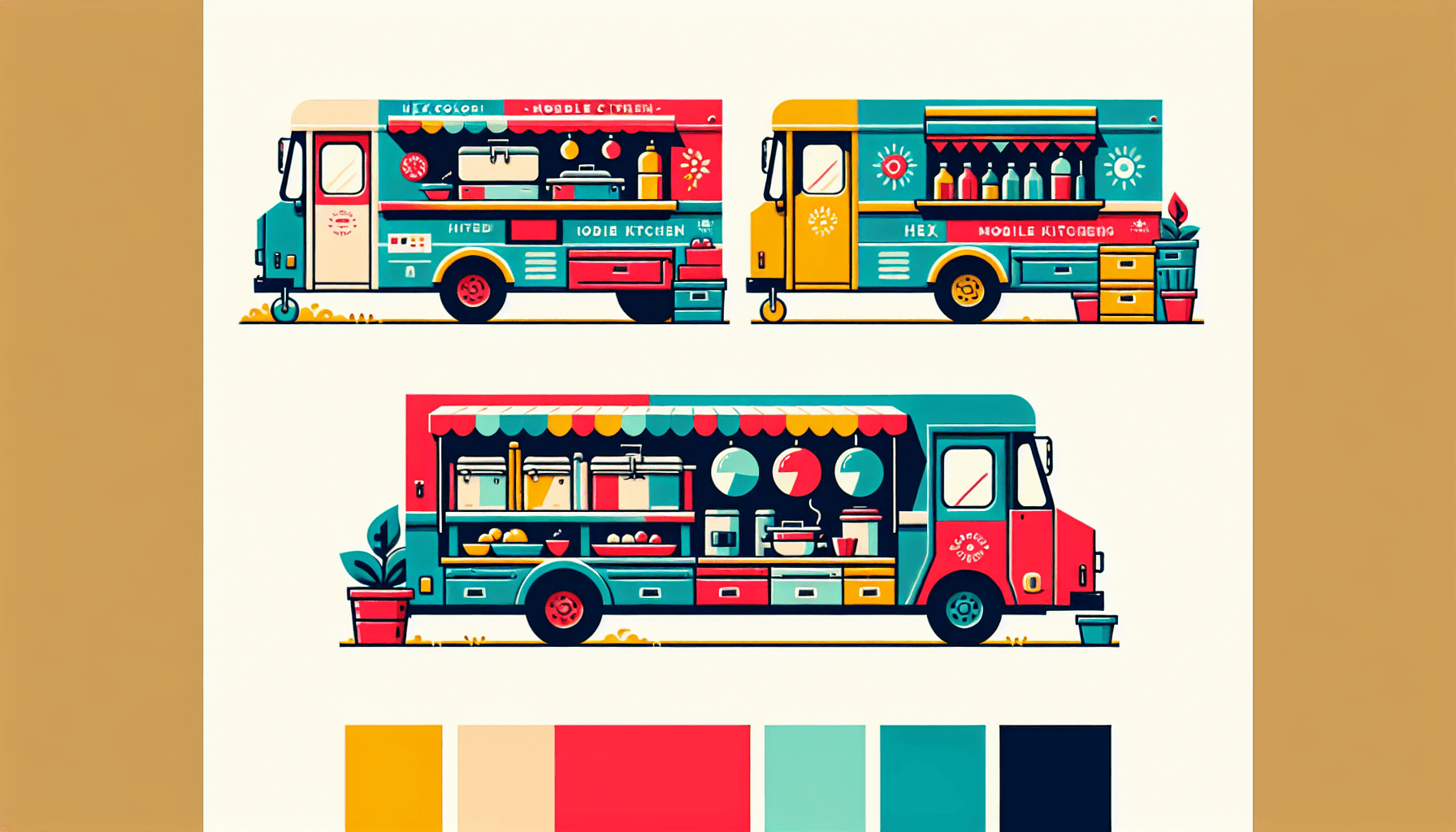
Starting a food truck can be an exciting journey, combining culinary skills with business acumen. With numerous options available, finding a concept that will attract customers and encourage repeat visits is important. This article examines several profitable food truck ideas, providing practical insights for aspiring entrepreneurs. From gourmet burgers to vegan options, discover which themes can lead to success in the busy mobile food market.
Let’s look at the top ideas to get your food truck on the road to success.
Understanding the Food Truck Market
Trends in the mobile food industry indicate that food trucks focusing on vegan options and comfort foods, such as loaded baked potatoes and grain bowls, create a loyal customer following, enabling them to charge higher prices and achieve better profit margins. Entrepreneurs succeed by recognizing popular menu items that align with local dietary habits while also maintaining operational efficiency.
By strategically positioning equipment and designing effective truck layouts, food truck owners can enhance operations and manage inventory more effectively, which helps in minimizing waste and controlling food costs. Location is important; busy areas and events drive sales, as local demographics influence the potential customer base for specific menu offerings.
Additionally, aspiring food truck operators must adhere to regulations, which include obtaining necessary food licenses and permits while meeting health standards. Financial planning should consider initial expenses and logistics like sourcing cooking equipment and efficiently managing inventory. Highlighting sustainability through eco-friendly practices may also provide marketing benefits and attract consumers who appreciate responsible choices.
Factors Influencing Food Truck Profitability
Location and Customer Demographics
The location of a food truck significantly shapes its target customer base and can impact profitability. For instance, food trucks parked near office complexes attract busy professionals looking for quick, delicious meals during lunch hours. Here, comfort food trucks with popular menu items like loaded baked potatoes or gourmet sandwiches can thrive due to high foot traffic. The truck layout designs should prioritize operational efficiency to serve customers quickly.
In neighborhoods with younger crowds, vegan and grain bowl offerings may reach higher margins by catering to health-conscious diners.
Additionally, understanding the demographics such as income level and culinary preferences helps in menu engineering for premium pricing.
Regulations and Licensing Requirements
Food truck operators must adhere to various local, state, and federal regulations, which differ by market. This includes obtaining a food license from the local health department, registering the food truck, and ensuring compliance with vehicle permits. Proof of insurance and a business license is also necessary. To ensure all commercial vehicles meet health and safety standards, preparation for inspections related to fire safety and sanitation is required.
To maintain compliance throughout operations, food truck owners can create a comprehensive business plan that covers logistics for sourcing ingredients, menu options, and equipment needs. Thoughtful equipment placement in truck layout designs enhances operational efficiency and promotes safe food handling. Consistent inventory management helps minimize waste and track popular menu items. Operators might also consider using commissary kitchens for food preparation, which aids in adhering to health regulations.
Highlighting sustainability can provide marketing benefits, attracting customers who prefer eco-friendly practices in the mobile food market.
Finally, staying updated with popular dietary trends, such as vegan options or comfort food offerings, can assist in fulfilling customer demands and boosting profitability.
Startup Business Ideas for Food Trucks
Gourmet Grilled Cheese
Gourmet grilled cheese food trucks can stand out by using premium ingredients like artisanal breads and unique cheeses. Adding gourmet toppings, such as truffle oil or fig jam, enhances the sandwich and appeals to food lovers seeking comfort with a twist. The truck layout should ensure efficient cooking equipment placement for streamlined operations, allowing quick customization and serving options.
Customers appreciate personalizing their grilled cheese, which enhances their experience and encourages repeat visits. Incorporating seasonal or locally sourced ingredients aligns with current food trends, lowers food costs, and showcases freshness. This strategy reduces waste and highlights sustainability, appealing to health-conscious diners and those with specific dietary preferences. Effective inventory management of gourmet grilled cheese options supports profitability, maximizing margins through menu optimization.
By balancing these elements, an entrepreneur can create a successful food truck concept that thrives in the mobile food sector, potentially exploring a hybrid model that includes catering for events with popular items like loaded baked potatoes or grain bowls.
Ethnic Cuisine Fusion
Successful ethnic cuisine fusion dishes often combine popular menu items that attract a diverse customer base. Entrepreneurs can enhance their offerings by creating grain bowls or gourmet loaded baked potatoes that mix flavors from different cultures, such as Korean-Mexican or Indian-Mediterranean. To source authentic ingredients effectively, food truck operators can partner with local suppliers who provide premium ingredients that complement their menu ideas.
This strategic placement of equipment in food trucks can support quick preparation, improving operational efficiency while keeping food costs low.
Health-Conscious Options
Food trucks can improve the nutritional value of their health-focused options by using high-quality ingredients such as fresh vegetables, whole grains, and proteins like chickpeas in grain bowls. They can also adopt cooking methods such as grilling or steaming, which help keep nutrients while minimizing added fats.
To attract health-conscious consumers, food trucks should communicate the health benefits in their marketing materials, highlighting low food costs and providing clear ingredient lists. This builds trust and demonstrates a commitment to sustainability. Catering to specific dietary preferences is important, and a food truck can implement menu changes to create options that include vegan, gluten-free, or low-calorie meals. Streamlined operations allow the truck to adjust its offerings based on inventory management and usage patterns while ensuring consistent quality.
By staying informed about market trends and customer preferences, entrepreneurs can create a strong business plan that combines popular menu items with premium pricing. This strategic approach increases profitability while maintaining competitive advantages in a crowded mobile food market.
Dessert and Snack Food Trucks
Dessert and snack food trucks can provide unique offerings like artisanal ice cream, gourmet donuts, or loaded baked potatoes, appealing to a diverse customer base. By incorporating premium ingredients and focusing on popular menu items such as seasonal fruit tarts or themed treats, these trucks can attract attention and create buzz. Effective menu planning helps maximize profit margins while maintaining low food costs.
Responding to seasonal trends and local flavors allows trucks to introduce limited-time items, enhancing their menu and generating excitement, which can boost customer visits. To build a loyal following, food truck entrepreneurs should employ strategic equipment placement for efficiency, optimize inventory management to reduce waste, and create engaging marketing strategies that resonate with customers. By emphasizing operational efficiency and unique dessert ideas, these food trucks can stand out and increase profitability within the competitive mobile food industry.
Implementing a business plan that addresses logistics, menu optimization, and the preferences of local customers can further enhance their success.
Evaluating Food Truck Concepts for Profitability
Assessing Market Demand
Indicators for assessing demand for food trucks in a specific location include examining consumer preferences and spending habits. An entrepreneur can gather data through surveys or social media to understand local interests, especially for popular menu items like gourmet burgers, comfort food, or vegan options. Understanding operational efficiency is important in evaluating these trends, as competitors influence profitability and premium pricing strategies.
Market research can reveal whether grain bowls or loaded baked potatoes resonate more with local diners. The mobile food industry emphasizes menu engineering, where food cost management and inventory management are significant. Trends such as sustainability and healthy eating have transformed consumer expectations, impacting the design of truck layouts for streamlined operations. To further analyze demand, aspiring owners might explore hybrid model opportunities that allow for delivery in addition to street service.
Seasonal factors and weather conditions also affect customer traffic, making logistics an important consideration in developing a business plan. By optimizing menus and focusing on higher margins, food truck operators can effectively compete and thrive in their markets.
Innovative Menu Development
Food truck operators can create innovative menus that capture attention by incorporating unique flavor combinations and uncommon ingredients to set their offerings apart from the competition. Using smart menu design strategies, they can craft items like loaded baked potatoes, grain bowls, and gourmet desserts that balance high profit margins with low food costs. Seasonal ingredients and local flavors enhance creativity and appeal to customer preferences, connecting with sustainability trends.
This approach resonates well with community-focused markets, allowing entrepreneurs to build a loyal customer base.
Additionally, gathering customer feedback can refine menu ideas, ensuring they cater to diverse dietary preferences and popular items. Effective inventory management and strategic equipment placement in commissary kitchens can streamline operations, making it easier to adjust menus based on usage patterns or weather conditions. By adopting a hybrid model that combines food trucks with other commercial vehicles for events, operators can maximize profitability while maintaining the necessary flexibility for a successful mobile food venture.
Kogi BBQ: Korean-Mexican Fusion

Kogi BBQ food trucks offer a unique menu that combines Korean BBQ flavors with classic Mexican dishes, creating items like spicy kimchi tacos and bulgogi burritos. These popular menu items highlight the fusion of culinary traditions and attract a diverse customer base seeking exciting food experiences. The success of Kogi BBQ has transformed the mobile food industry, making ethnic cuisine fusion more appealing and mainstream, which helps lessen competition for other food trucks.
Entrepreneurs in food truck businesses find that adding innovative menu ideas can substantially increase profit margins. By optimizing their operational efficiency and implementing strategic equipment placement, these trucks can keep food costs low while providing premium pricing. Location is important; Kogi BBQ often operates in high-traffic markets and participates in food and wine events to boost visibility.
By managing inventory carefully and understanding customer usage patterns, they achieve higher profitability and ensure effective logistics. Hybrid models and commissary kitchens also allow them to scale without incurring high startup costs, leading to streamlined operations that minimize waste.
Coolhaus: Gourmet Ice Cream Sandwiches

Coolhaus stands out in the gourmet dessert market by offering unique ice cream sandwiches made with premium ingredients and creative flavors. This combination attracts customers who seek not only delicious treats but also visually appealing options that are perfect for social media. By streamlining operations and optimizing truck layout designs, the business enhances its ability to serve a high volume of customers efficiently.
Strategic equipment placement allows for quick preparation and delivery, which is important when catering to busy markets. It also keeps food costs low by focusing on limited but popular menu items that share common ingredients. To maximize sales and profitability, the entrepreneur relies on a thorough business plan that factors in location and customer demographics, ensuring that dessert trucks are parked in high-traffic areas where there’s a strong customer base.
The dessert concept incorporates sustainability practices, like reducing waste, which appeals to health-conscious consumers. By continually innovating its menu with seasonal flavors and dietary preferences like vegan options, Coolhaus maintains high profit margins while distinguishing itself amidst competition in the mobile food industry.
Essential Tips for Ensuring Food Truck Success
Engage on Social Media
Food truck owners should implement strategies that focus on building a strong customer base by showcasing popular menu items, such as loaded baked potatoes and dessert trucks. Engaging visuals and regular posts about food and wine pairings can attract attention. Posting updates about events, special promotions, or menu optimization based on customer feedback will keep audiences informed and excited.
Food trucks can also share behind-the-scenes looks at their operations, highlighting cooking equipment, truck layout designs, and logistics involved in managing their mobile enterprise. Encouraging customer interaction through polls about new menu ideas can foster loyalty.
Additionally, using strategic equipment placement in social media content can demonstrate operational efficiency and sustainability efforts. Engaging with followers by responding to comments and feedback can create a sense of community, motivating customers to share experiences with their networks. Lastly, sharing stories about sourcing ingredients or reducing waste can enhance the brand’s commitment to sustainability and attract a wider customer base, especially among the rising vegan market that seeks higher margins in healthy options.
Build Partnerships with Local Events
Food truck owners can forge partnerships with local events by participating in community gatherings, fairs, and festivals. This engagement boosts their visibility and attracts new customers, fostering a mutually beneficial scenario. By collaborating with events, they can highlight popular menu items, such as dessert options or comfort food, while taking advantage of the increased foot traffic generated by these occasions.
When choosing events, entrepreneurs should reflect on their target customer base and logistics, making sure the event corresponds with their menu ideas and values like sustainability or dietary preferences. They should also assess the event’s potential for premium pricing and examine competition to spot opportunities with less market saturation. Well-thought-out truck layouts and strategic equipment arrangement can enhance operational efficiency during busy service times.
Additionally, access to commissary kitchens can improve food costs and inventory management, helping operators reduce waste and increase profit margins. By recognizing patterns related to seasons or weather conditions, food truck owners can optimize profits at events, ensuring their business plan remains flexible and successful.