

For decades, home improvement retail followed one script. The customer drove to a showroom, walked the aisles, and guessed how a sample might look back home.
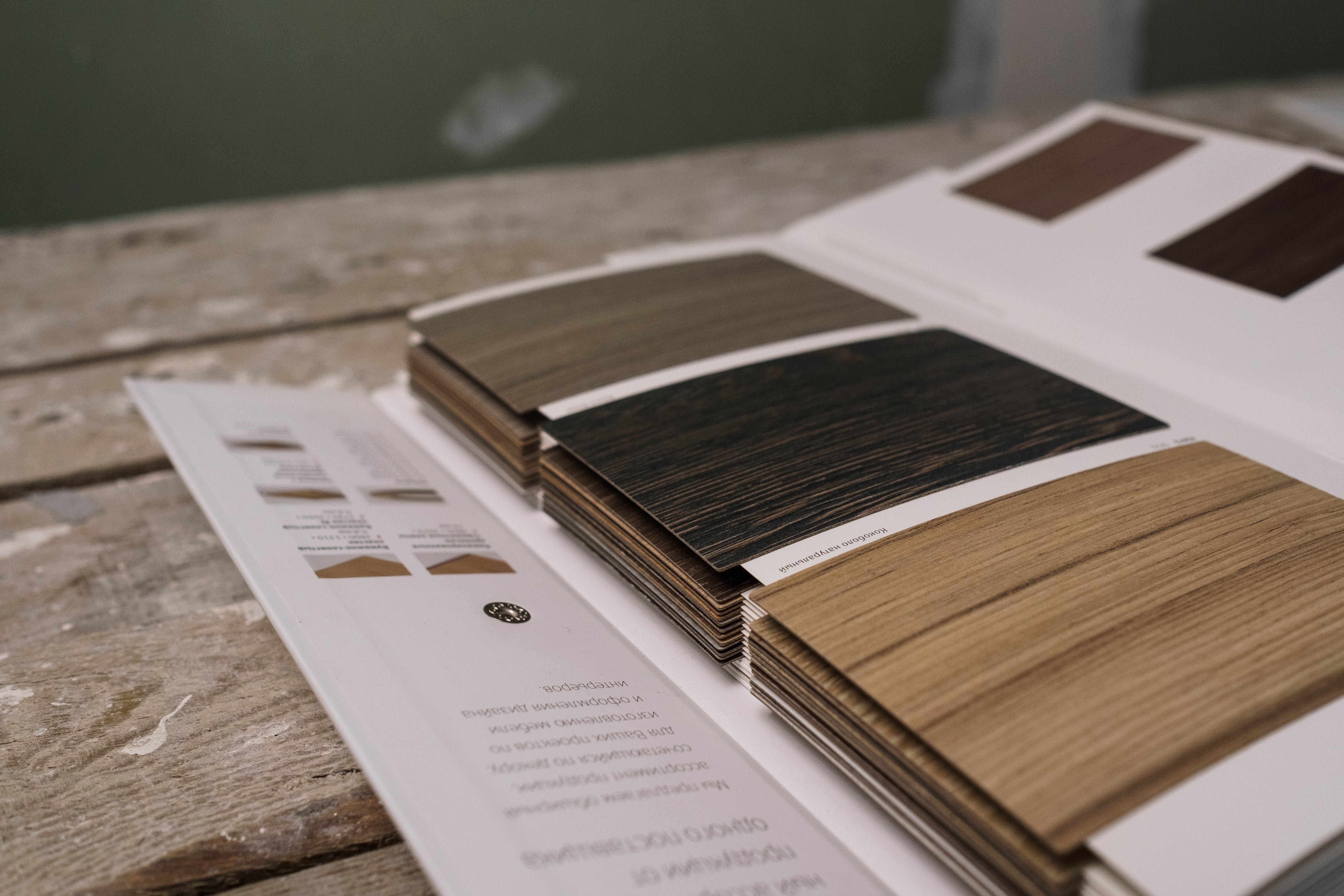
That script is changing. A growing group of brands now sends the showroom to the customer instead. The shift looks simple, but it rewires pricing, operations, and the entire customer journey.
Why the Traditional Showroom Is Losing Ground
Customers now expect buying to fit around their lives. E-commerce reached 17.1 percent of total U.S. retail sales in the second quarter of 2026, according to the Census Bureau. Shoppers who order groceries and furniture from the couch rarely want to spend a Saturday comparing tile under fluorescent lights.
Home improvement still involves physical products, though. People want to touch a carpet, check a wood grain, and see a color in their own daylight. Pure e-commerce struggles to deliver that.
The market behind this tension is huge. Harvard’s Joint Center projects that homeowner spending on improvements will reach $518 billion by the end of 2026. Even a small gain in conversion or customer satisfaction moves serious revenue in a market that size.
The shop at home model sits between the two worlds. It keeps the physical sample and adds the convenience customers expect from digital commerce.
Case Study: Flooring Installation in Houston and the Showroom That Travels
Flooring offers one of the clearest examples of the model in action. Local conditions shape the right product choice, so context matters as much as style.
Houston shows why. Many homes there sit on concrete slab foundations over clay soil that expands and contracts. The region also deals with high humidity and heavy rainfall. A product that looks perfect in a showroom can fail in that environment.
Companies that handle flooring installation in Houston increasingly start the process at the customer’s address. 50Floor, for example, runs a shop-at-home service in which specialists bring samples, take laser measurements, and leave a written all-in quote before they go.
That visit does more than save the customer a drive. It gives the specialist a direct look at the subfloor, the moisture risk, and the light in each room. The recommendation reflects the real house, not a guess.
For the business, the visit replaces a vague lead with a qualified, measured, and quoted project. That changes the economics of the whole sales funnel.
How the Model Creates Value
A value chain view helps explain why brands adopt this approach. The model shifts costs and benefits across several stages at once.
For the Customer
- Time savings: No trips to stores and no second visit for measurements
- Better decisions: Samples appear next to real furniture, walls, and lighting
- Price clarity: A written quote arrives before the specialist leaves
- Lower risk: Experts spot site problems before installation day
For the Business
- Leaner real estate: Fewer large showrooms to lease, staff, and stock
- Higher-quality leads: Every appointment represents a customer with a real project
- Fewer change orders: Accurate measurements reduce surprises during installation
- Richer data: Each visit captures room sizes, preferences, and site conditions
The table below compares the two models across key business dimensions.
| Dimension | Traditional Showroom | Shop at Home |
| Main fixed cost | Retail space and inventory | Vehicles, sample kits, and field staff |
| Customer effort | High, with multiple trips | Low, with one appointment |
| Measurement | Often a separate visit | Done during the consultation |
| Quote timing | Days after the visit | Same day |
| Data captured | Foot traffic and sales | Room data, site conditions, and preferences |
| Scaling method | Open more stores | Add trained specialists and routes |
The Risks and Trade-offs
The model carries real challenges. Field teams cost money, and travel time limits how many appointments each specialist completes per day. Poor routing quickly erodes margins.
Trust matters too. Inviting a salesperson into the home requires confidence, and aggressive tactics damage a brand fast.
Regulation adds another layer. The FTC’s Cooling-Off Rule gives buyers three business days to cancel many sales over $25 made at their home. Sellers must explain that right and hand over cancellation forms. Smart operators treat this as part of the customer experience, not a hurdle.
Training also becomes a core competency. One specialist now represents product knowledge, sales, measurement, and customer service in a single visit.
Where Technology Strengthens the Model
Technology turns a home visit from a sales call into a data-driven consultation. Leading brands typically invest in four areas:
- Scheduling and routing software that clusters appointments by geography
- CRM platforms that track each lead from first call to installation
- Digital measuring tools that feed exact numbers straight into quotes
- Visualization tools that preview products in the customer’s own space
Visualization deserves special attention. Brands already use augmented reality to preview products online, and the same idea works beautifully during a home visit.
Environmental data adds another edge. The EPA recommends keeping indoor relative humidity below 60 percent, ideally between 30 and 50 percent. A specialist who measures moisture on site can steer customers toward products that suit their conditions. In humid markets like Houston, that insight builds trust and prevents costly failures.
The KPIs That Show Whether It Works
Operators need different metrics than a showroom manager would track. Foot traffic means nothing when the store drives to the customer.
The most useful KPIs usually include:
- Appointment-to-sale conversion rate, which shows how well specialists close
- Appointments per specialist per day, which reveals routing efficiency
- Quote accuracy, measured by the gap between quoted and final invoice
- Installation callbacks, which flag problems the site visit missed
- Net Promoter Score, which captures how customers feel after the floor goes in
Tracking these numbers together tells a business whether the model creates value or just moves costs around.
Lessons for Other Industries
The shop at home model works best when three conditions meet:
- The product needs physical evaluation before purchase
- The installation depends on site-specific conditions
- Customers see the purchase as high-value and high-risk
Kitchen cabinetry, window treatments, solar panels, and home security all fit this pattern. Each category can borrow the same playbook: qualify the lead, visit the site, measure precisely, and quote on the spot.
FAQ
Is the shop at home model more expensive to run than a showroom?
It shifts costs rather than simply raising them. Businesses spend more on field staff and vehicles but less on retail space and showroom inventory.
Does the model work for small home improvement businesses?
Yes. Small firms often start this way because it avoids the cost of a physical storefront. Good scheduling and a strong sample kit matter more than size.
How does the model affect customer satisfaction?
It usually improves it. Customers save time, see products in real conditions, and receive clear pricing, which reduces regret after the purchase.




