
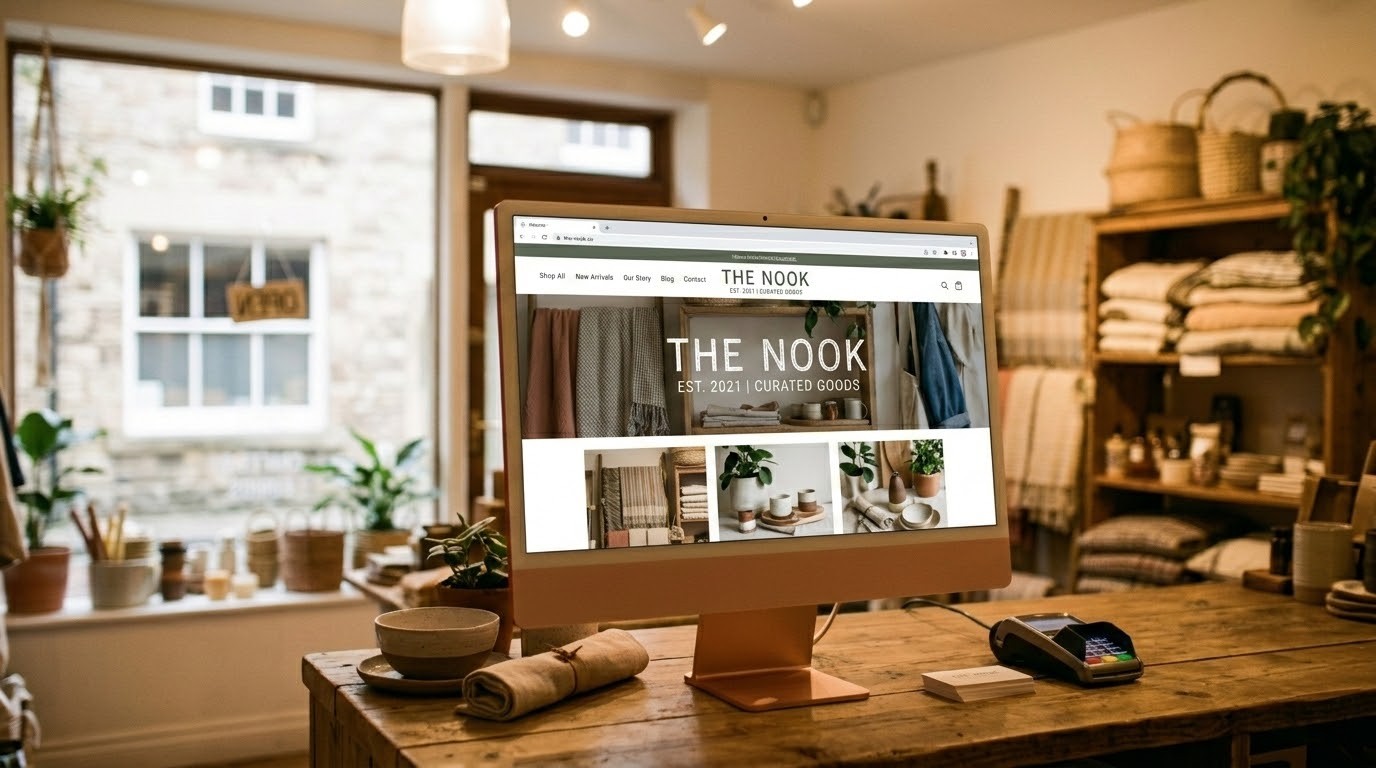
You have a brilliant business plan, a clear vision, and the drive to make it happen. But there is often a massive gap between having a great idea and actually looking like a legitimate brand to the rest of the world. Most early-stage entrepreneurs and freelancers vastly underestimate how much their site’s first impression shapes trust, guides buying decisions, and ultimately determines their success.
Choosing the right starting point is a serious business decision, not just a design choice. The layout you select does the heavy lifting, shortening the distance between your initial plan and a living, breathing brand. Fortunately, you do not have to build everything from scratch. Platforms like Wix bring your ideas to life with customizable, free website templates designed to turn your business into a credible brand. With the right foundation, you can launch quickly and confidently, knowing your site looks professional from day one.
Your Website Is Your Brand Before Anything Else
For many new businesses and freelancers, a website exists long before a logo is finalized, a business card is printed, or a social media profile gains traction. When a potential client or customer hears your name, the very first thing they do is search for you. What they find in those crucial first few seconds dictates whether they stick around or move on to a competitor.
First impressions rely heavily on psychology. A structured, professional layout immediately signals legitimacy. It tells visitors that you take your business seriously and, by extension, that you will take them seriously. This matters immensely in the early stages when you are still actively establishing trust and fighting for market share.
Using website templates offers the fastest path from a raw business plan to a visible, credible brand. Instead of staring at a blank screen and guessing where a menu should go, you start with a proven structure. This allows you to focus your energy on what you actually do best-running your business- while letting a pre-designed layout handle the psychological heavy lifting of building immediate trust.
Know Who You Are Building For Before You Choose a Layout
Before you fall in love with a specific design, take a step back. Template selection should always be guided by the people you want to reach, not just your personal taste. Different niches, audiences, and business models require entirely different visual hierarchies and page structures.
For example, a service-based freelancer needs a layout that pushes their portfolio and booking calendar front and center. A product-based startup, on the other hand, needs a layout optimized for quick add-to-cart actions and stunning product galleries. If you run a creative agency, your layout must prioritize bold visuals and case studies.
Audience awareness is the foundation of every good design choice. Skipping this vital step often results in a site that looks beautiful but fails to convert visitors into buyers. Taking the time to understand your audience ensures you choose a layout that speaks their language, anticipates their needs, and guides them naturally toward hitting the “Buy” or “Contact” button.
What Separates a High-Performing Template From a Generic One
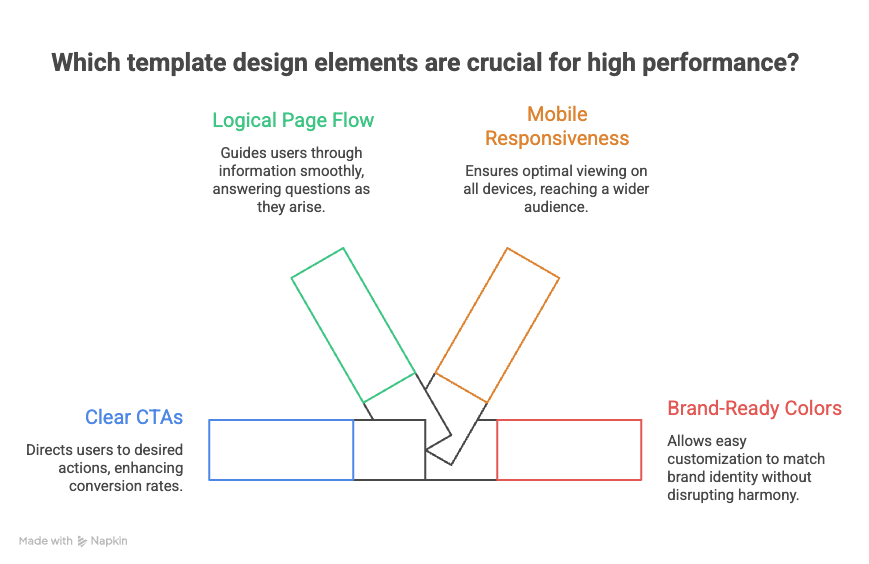
Not all templates are created equal. Some simply look nice, while others act as highly efficient business tools. The difference lies in the structural elements baked into the design. A high-performing template is a conversion engine.
First, look for clear calls to action (CTAs). A great template directs the user’s eye exactly where it needs to go, whether that is subscribing to a newsletter or scheduling a consultation. Second, pay attention to logical page flow. Information should unfold like a good story, answering the visitor’s questions right as they think of them.
Mobile responsiveness is another non-negotiable factor. Most of your visitors will find you on their phones. A strong template automatically adjusts images, text sizes, and menus to look perfect on a smaller screen. Finally, look for brand-ready color systems. You want a template that lets you easily swap the default colors for your own palette without disrupting the page’s visual harmony. Avoid layouts that feel cluttered, lack clear navigation, or force visitors to click three times just to find your contact info.
Making the Template Feel Like Yours
A template provides the frame, but your unique touches turn that generic layout into a recognizable brand. Customizing your site is where the fun really begins, and it is entirely approachable, even if you have zero background in design.
Start with your brand colors and fonts. Consistency here builds immediate recognition. Next, focus on your copy. The tone of your writing should sound exactly like you—whether that is corporate and authoritative, or casual and witty. Pair that consistent voice with authentic imagery. Replace stock photos with genuine images of your products, your workspace, or yourself.
These adjustments drastically change the way people interact with and remember your site. Visitors connect with authenticity. Tapping into the power of personalized experiences means creating a space that feels uniquely tailored to your specific community. When a site feels authentic and personal, visitors stay longer, read more, and engage deeper.
Building Trust Once You Go Live
Hitting publish is a massive milestone, but it is really just the beginning. The step most beginners skip is actively managing how their brand is perceived once the site is live to the public. Earning and keeping trust is an ongoing process.
Start with domain credibility. A custom domain immediately elevates your business from a side project to a professional operation. From there, ensure your branding remains consistent across every single page. A broken link, a misspelled headline, or a sudden change in font style can subtly erode a visitor’s confidence in your business.
You also need to develop early reputation-building habits. Gather and display client testimonials. Write clear, honest return policies. Make your contact information ridiculously easy to find. These are fundamental management techniques every business should apply to build a credible domain. Treat these steps as a natural extension of choosing your template. They are practical, immediate actions any new business owner can take to solidify their standing in the market.
Stop Waiting, Start Building
A well-chosen template does far more than make your business look polished. It sets the structural and reputational foundation for sustainable growth. It organizes your ideas, builds immediate trust with your audience, and gives you the tools to convert casual visitors into paying clients.
Treat your website launch as a real business milestone. Too many entrepreneurs get stuck in the planning phase, waiting for a perfect moment or a perfect design that rarely arrives. Progress is always better than perfection. You have the vision, and you now know exactly how to lay the groundwork. Choose a layout that fits your audience, customize it to reflect your unique voice, and get your brand out into the world. Take that first step today and start building the business you have been planning.




