
Amazon has transformed shopping experiences since its inception in 1994. By prioritizing customer satisfaction, the company has developed a unique approach that features streamlined ordering processes, quick delivery, and innovative technology. With offerings like the widely-used Prime membership and forward-thinking initiatives, Amazon aims to enhance efficiency and improve service for its customers.
This article will examine the fundamental components of Amazon’s operational strategy and how they contribute to the company’s success.
Understanding Amazon’s Business Strategy
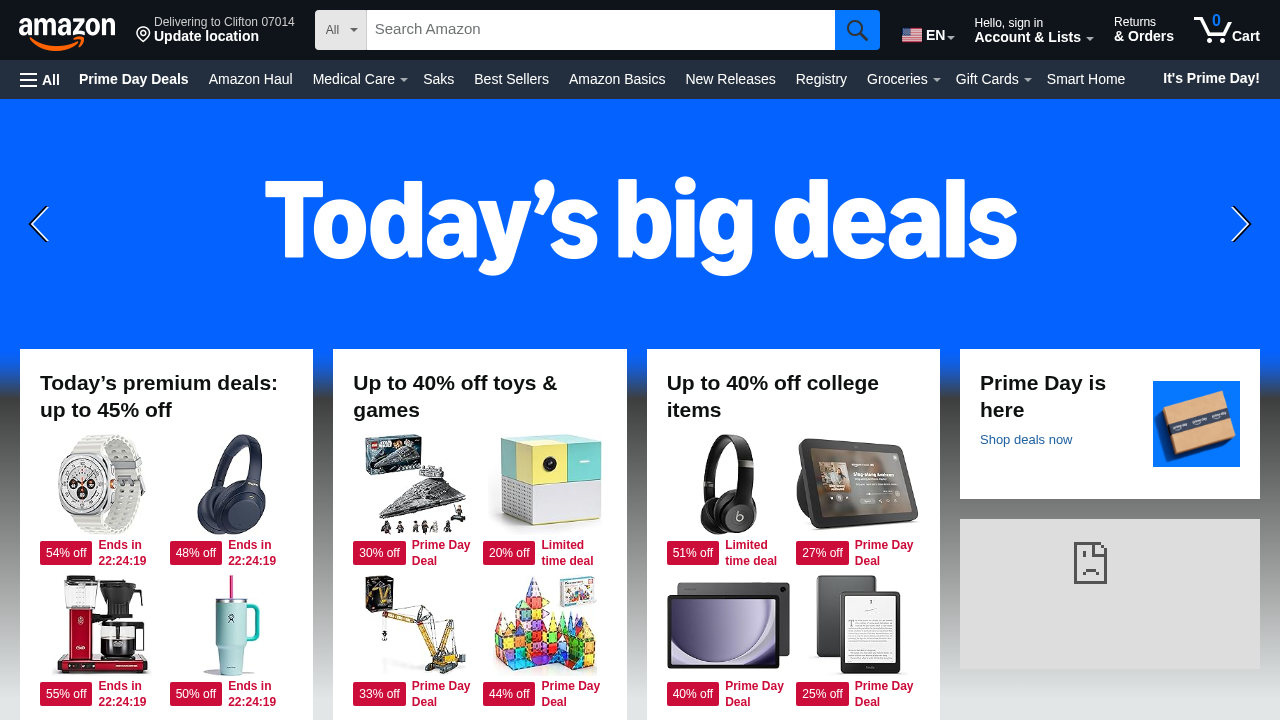
Amazon’s business strategy revolves around a customer-centric approach that shapes its decisions and influences every part of its operations. This focus on customers drives innovation and services, such as the creation of Prime Day, which boosts revenue and enhances customer loyalty. Operational efficiency is significant as well; advanced logistics networks and automation in fulfillment centers ensure quick delivery of products across North America.
The company’s investments in technology, including patent applications for drones and autonomous vehicles, improve its operational performance and streamline processes. As of 2023, Amazon’s patent portfolio supports research and development in artificial intelligence and cloud computing through Amazon Web Services, fostering growth and setting the stage for competition against other platforms like Walmart.
In 2024, the expansion of media offerings and partnerships further demonstrates the company’s commitment to enhancing the customer experience. This integration across different business units, including acquisitions like Zoox, allows Amazon to maintain its position as a leader in e-commerce by addressing various customer needs and strengthening its market presence.
What is Amazon’s Functional Strategy?
Amazon’s functional strategy centers on customer satisfaction, operational efficiency, and technological innovation. It emphasizes a customer-centric approach, continually researching ways to improve the shopping experience, including the “Buy Box” for better pricing visibility. This strategy enhances customer experience and drives significant revenue growth.
Amazon operates advanced logistics networks and warehouses to ensure quick delivery, even incorporating automated processes to boost efficiency. The company heavily invests in technology and innovation, exploring artificial intelligence and drones for better delivery systems. With a strong patent portfolio focused on automation and cloud computing, Amazon supports its plans for growth in international markets. Looking toward 2025, Amazon’s investments in startups and acquisitions like Zoox strengthen its position against competitors such as Walmart.
By July 2023, these efforts have established a solid foundation, enabling the company to expand its reach and improve its communities by providing goods like fresh groceries directly to customers.
Key Components of Amazon’s Functional Strategy
Customer Centricity
Amazon builds its reputation as a customer-focused company by prioritizing satisfaction in its operations and decision-making. For instance, the implementation of one-click ordering and an easy-to-navigate “buy box” significantly enhances the e-commerce experience. Through various applications like customer reviews and loyalty programs, such as Prime Day offerings, the company gathers feedback that informs product improvements and services, enabling tailored experiences for its users.
As of 2023, Amazon is invested in technologies like drones and autonomous vehicles for delivery, reflecting its commitment to logistics innovation. This approach not only helps in boosting revenue but also strengthens its competitive position against rivals like Walmart. Continuous investments in research, a strong patent portfolio, and advanced fulfillment centers allow Amazon to maintain its edge.
In 2021, the company generated substantial operating income through Amazon Web Services and media acquisitions, helping it expand into international markets. By focusing on customer-driven solutions and technology advancements, Amazon drives growth and enhances communities, ultimately shaping its business strategy to stay ahead in the highly competitive e-commerce market.
Operational Efficiency
Amazon evaluates its operational effectiveness through performance metrics such as delivery speed, customer satisfaction, and revenue growth that align with its business strategy. The company has introduced several initiatives, including automation in fulfillment centers and a strong logistics network with multiple warehouses to facilitate swift delivery.
By incorporating technology across departments, Amazon streamlines processes, as demonstrated by its patent applications for drones and autonomous vehicles, which are part of its strategy to improve delivery systems and cut costs.
Additionally, investments in artificial intelligence and cloud computing, particularly through its Amazon Web Services division, provide enhanced data analysis and operational insights. Beginning in 2020, the company emphasized acquiring startups like Zoox to strengthen its innovation in logistics. As of 2023, its technological advancements and focus on e-commerce have positioned the company as a customer-centric leader in North America, effectively competing with giants like Walmart. Efforts such as Prime Day and investments in fresh groceries also show how Amazon enhances community engagement while driving revenue expansion, with projections indicating significant progress by 2025.
Technological Innovation
Amazon leverages technological innovation to enhance customer experience and operational efficiency through various strategies. For instance, its extensive logistics network includes advanced warehouses in North America, enabling fast delivery to customers and making e-commerce more accessible. The company invests significantly in technologies like artificial intelligence and automation to streamline fulfillment processes, as seen with its cashier-less stores and use of drones for deliveries.
To drive advancements, Amazon prioritizes research and development; its robust patent portfolio, including applications for autonomous vehicles and cloud computing, shows its commitment to innovation. This approach boosts operational effectiveness and positions the company favorably against competitors like Walmart. By acquiring startups and investing heavily in emerging technologies, Amazon strengthens its market presence in international markets and keeps enhancing its Amazon Web Services.
The integration of new technology into its business strategy gives Amazon a competitive edge, allowing for continual growth and improvements in revenue generation while ensuring customer satisfaction through offerings like Prime Day and fresh groceries delivered directly to communities.
Amazon’s Operational Tactics
Supply Chain Management
Amazon’s supply chain management strategy significantly boosts its operational efficiency and customer satisfaction by focusing on automation and innovative logistics solutions. By investing in advanced technologies, including drones for delivery and autonomous vehicles, Amazon ensures speedy fulfillment and reliable service for customers.
In 2023, with multiple warehouses located conveniently across North America and international markets, the company can rapidly fulfill orders, especially during significant events like Prime Day.
Additionally, its substantial patent portfolio, with numerous patent applications related to cloud computing and logistics, supports its growth by enabling more effective inventory control and resource allocation.
However, challenges remain in scaling its supply chain management. As it expands, competition from companies like Walmart highlights the need for constant innovation. The complexity of managing a large network of employees and operations can strain resource allocation. Furthermore, maintaining high standards for fresh groceries and other goods requires ongoing research and adaptation to new market demands. In this scenario, balancing customer-centric strategies with the demands of growth remains a primary focus as the company strives toward goals set for 2025.
Inventory Management
Amazon manages inventory using data and technology to maintain the right amount of stock for customers while avoiding excess. Its fulfillment centers, strategically located in North America, ensure fast delivery, helping to keep inventory levels aligned with customer demand during peak times. Automation, including drones and autonomous vehicles, boosts logistics and enables quicker shipping times.
The company invests significantly in research and development, resulting in numerous patent applications related to logistics and cloud computing, which enhance inventory management. This customer-focused company prioritizes satisfaction by ensuring products are available when required, driving revenue growth. In 2023, innovations like smart warehouses and advanced data analytics further improve operations. The business strategy includes acquisitions, such as Zoox, to support this technology-oriented approach.
With a diverse patent portfolio, Amazon seeks efficiency in service delivery, benefiting communities globally while staying competitive with other market players, including Walmart. As they enhance their capabilities toward 2025, Amazon’s commitment to innovation drives progress in inventory management and operational effectiveness.
Role of Amazon’s Patent Portfolio
Amazon’s patent portfolio strongly supports its competitive advantage in technology and e-commerce. By securing patents in areas like drones and autonomous vehicles, Amazon enhances its logistics and delivery systems, making operations more efficient. This innovation is reflected in the company’s strategy to dominate the e-commerce market through features like the “Buy Box,” which helps customers find the best deals, ultimately driving revenue growth.
The patent applications also protect its investments in artificial intelligence and cloud computing, notably through Amazon Web Services, which enables continuous research and development in various projects. Its approach to acquisitions, such as Zoox, showcases how patent holdings allow smoother integration of new technologies across different business units like logistics and media. This synergy fosters a customer-centric company culture focused on innovation, further solidifying its position against competitors like Walmart.
As of 2024, Amazon’s ongoing commitment to investment in technology and fulfillment areas ensures its growth, especially in building warehouses and delivering fresh groceries, reflecting the firm’s adaptive strategy to meet customer demands.
Integration Across Business Units
Amazon boosts operational efficiency by optimizing collaboration among its business units through robust logistics and fulfillment systems. This enables smooth delivery of goods, whether through expansive warehouses or new technology, such as drones and autonomous vehicles. In seeking growth, Amazon’s investment in artificial intelligence and innovation creates synergies between its e-commerce, media, and cloud computing sectors, ultimately driving customer value.
The company actively supports startups and international ventures that align with its business strategy, leveraging its patent portfolio to stay competitive. Seamless communication is important; Amazon employs advanced research and application tools that keep employees informed across divisions. Events like Prime Day showcase how the integration of enthusiasm across units enhances customer experiences, while specialized patent applications reflect ongoing efforts in technology improvements.
As seen in July and throughout 2021–2023, this commitment to innovation helps Amazon lead the market against competitors like Walmart, while also ensuring that it remains a customer-centric company focused on delivering fresh groceries and other necessities to communities.
What is Amazon’s Approach to Market Competition?
Amazon stands out from competitors in retail and technology through its strong emphasis on customer satisfaction and innovative strategies. By investing in fulfillment centers and advanced logistics, including automation, drones, and autonomous vehicles, Amazon ensures quick delivery for customers. The company’s patent portfolio and numerous patent applications support its research and development in emerging technologies, helping maintain a competitive edge over rivals.
For instance, Amazon’s success in the e-commerce market drives revenue growth, particularly seen during events like Prime Day.
The company focuses on customer-centric approaches by providing features such as a seamless buying experience through the “Buy Box” and personalized recommendations powered by artificial intelligence. This strategy fosters loyalty and encourages repeat purchases across international markets. In 2023, Amazon’s continued investment in new technology, including voice applications and cloud computing through Amazon Web Services, influences its operations and enhances customer engagement.
As a result, Amazon continues to lead in market share, with a commitment to growth that positions it favorably against competitors like Walmart, aiming to expand its presence in North America and beyond.
Future Focus of Amazon’s Functional Strategy
Amazon’s future strategy is centered on enhancing customer focus by prioritizing satisfaction and convenience. Plans include expanding delivery options through fulfillment centers and warehouses, enabling quicker service for customers, particularly during events like Prime Day. This approach aims to strengthen revenue growth against competitors like Walmart. Technological innovation will be emphasized through research in automation, cloud computing, and artificial intelligence.
The incorporation of drones and autonomous vehicles supports these goals, improving logistics and delivery methods. With a strong patent portfolio, including recent applications for robotics and media, Amazon enhances its capacity for ongoing innovation. The company also seeks to integrate its business units smoothly, ensuring that applications like Amazon Web Services and grocery services function together efficiently.
As Amazon turns its attention to international markets and startup collaborations, it plans to apply its investments in technology and infrastructure to retain its advantage in e-commerce. Looking toward 2025, the company envisions these innovations fostering connected communities for customers and employees alike.