
Amazon.com, Inc., established by Jeff Bezos in 1994, began as an online bookstore. Now, it is the largest online retailer globally, serving customers across various sectors, including e-commerce and cloud computing. With more than 200 million Amazon Prime subscribers, the company has broadened its reach through acquisitions such as Whole Foods Market and Twitch. Analyzing Amazon’s primary market can provide insights into its impact on shopping and technology worldwide.
What is Amazon’s main market?
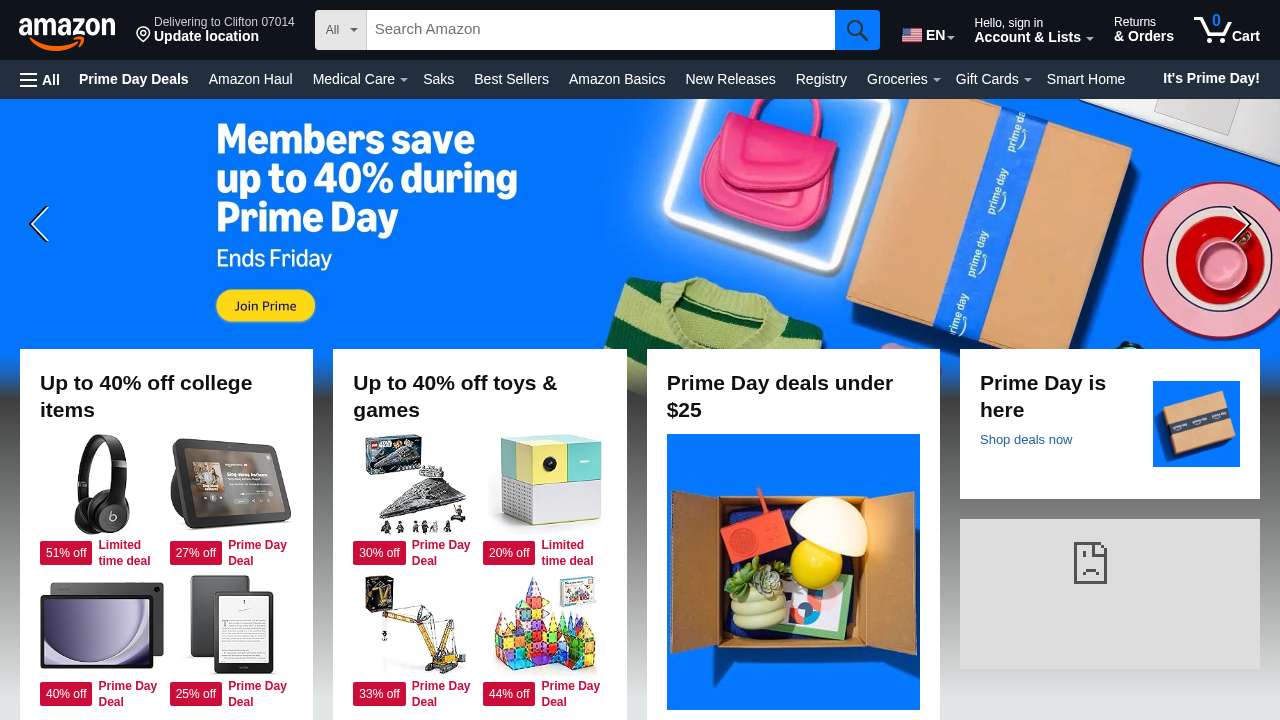
Amazon operates primarily as an online retailer, leveraging its expansive e-commerce platforms to dominate the global market. With over 200 million subscribers and impressive net sales, its growth largely derives from its diverse product lines, including third-party sellers and small businesses. The retailer’s agreement with various suppliers allows for a wider variety of products, thus expanding its reach.
Amazon’s cloud computing services significantly bolster its revenue, making it a leader in both e-commerce and technology. Geographical differences influence its market strategies. For instance, while the U.S. market remains a stronghold, there are growing opportunities in Latin America, with platforms like amazon.ca aiming to attract customers in Canada. Subsidiaries such as Whole Foods and services like audiobooks and live-streaming enhance overall market share. Premium statistics reveal that Amazon’s fulfillment centers optimize delivery, further increasing customer satisfaction.
Despite facing challenges with counterfeit goods and business practices, its continuous innovation keeps it at the forefront of retail, adapting to the demands of each region effectively.
Global Reach of Amazon
Amazon Marketplaces Worldwide
Amazon’s success as an online retailer varies by region due to local consumer behaviors, market demand, and competition from other e-commerce platforms. In the United States, for example, the company leads in the e-commerce market with significant net sales, boosted by partnerships with third-party sellers and a diverse range of product lines, from consumer electronics to audiobooks. In South America and Latin America, Amazon adapts its strategies to address emerging market needs.
This includescreating localized agreements, enhancing its Fulfillment by Amazon service, and even launching platforms like amazon.ca to increase market share. Amazon marketplaces also focus on incorporating premium statistics to attract small businesses and resellers. With robust infrastructure, including fulfillment centers and warehouses, Amazon improves efficiency and customer satisfaction.
The pandemic fueled e-commerce growth, allowing Amazon to leverage data insights and enhance business practices, yet concerns about counterfeit goods persist.
North America
North America features distinctive traits that bolster Amazon’s position as an online retailer. The extensive U.S. market boasts millions of consumers, creating a solid foundation for sales. This area possesses a robust e-commerce environment, driven by high internet access and consumer confidence in online shopping, particularly evident during the pandemic.
Amazon customizes its offerings by broadening its product categories, including consumer electronics and services like audiobooks, alongside acquiring subsidiaries such as Whole Foods to improve food delivery services. The extensive network of fulfillment centers guarantees quick delivery times, appealing to North American shoppers who value convenience. As competition intensifies, Amazon adapts through collaborations and services like Fulfillment by Amazon, meeting the demands of small businesses and third-party sellers.
Premium statistics indicate that Amazon’s market share continues to rise, in part due to strategies that combat counterfeit items and build customer loyalty through exceptional service. These competitive dynamics influence Amazon’s strategies and its foray into Latin America, showcasing ongoing growth in e-commerce platforms beyond national borders.
Europe
A wide selection of products and services, such as e-commerce and cloud solutions, drives Amazon’s European expansion. The company has fulfillment centers throughout Europe, improving delivery times. Revenue statistics indicate a continuous upward trend, with significant earnings, especially during the pandemic. The types of products offered, including audiobooks and electronics, vary from markets like South America, which emphasizes boosting third-party seller marketplaces.
Nevertheless, challenges exist due to differing regulations, as countries have their own rules regarding business operations and consumer rights. This encompasses guidelines on counterfeit merchandise and labor standards that can influence Amazon’s warehouse and logistics management. Collaborations with small businesses and resellers aid in establishing connections within the Amazon ecosystem, yet compliance with local regulations is necessary.
As Amazon continues to grow, it seeks to sustain its market presence while addressing scrutiny regarding its practices in the U.S. and various European countries.
Asia-Pacific
Due to varied consumer preferences and competition, Amazon encounters distinct challenges and opportunities in the Asia-Pacific market. This region includes expanding e-commerce markets in Latin America and Southeast Asia, where local retail platforms vie for market share. Amazon tailors its services by offering specific product lines that resonate with local tastes, such as audiobooks and consumer electronics.
The pandemic has accelerated the expansion of e-commerce, reflected in notable net sales increases. Furthermore, the presence of third-party sellers in Amazon marketplaces enables small businesses and resellers to connect with more consumers. Fulfillment centers in the area guarantee effective delivery, which is important for ensuring customer satisfaction. Collaborations with local businesses help improve market entry and strengthen Amazon’s foothold in the region.
Africa
Amazon faces distinct challenges and opportunities in the African market compared to other regions. The growth of e-commerce in Africa is notable, with rising demand for online retail platforms and services. However, there are challenges, including an underdeveloped technological infrastructure in various countries and the prevalence of counterfeit goods.
For instance, in South America and Latin America, Amazon has forged strong customer relationships with top sellers and small businesses by establishing local market entry agreements. In Africa, Amazon is adjusting its strategies by enhancing logistics networks, including fulfillment centers, to streamline delivery processes and effectively support third-party sellers. This method reflects its success in the United States, where data indicate a strong consumer demand for diverse product lines. Reliable internet access is important for Amazon’s growth in Africa, as it underpins online shopping and cloud computing services.
Collaborating with local businesses and resellers can improve consumer insights, helping Amazon tailor its offerings in this varied marketplace. A focus on consumer electronics and live-streaming services, akin to its subsidiaries like Whole Foods, may drive further growth in this evolving e-commerce environment.
South America
Amazon operates as a leading online retailer in South America, facing several challenges while expanding. Among these are navigating local regulations and logistical issues tied to its fulfillment centers. Consumer behavior in the region, influenced by the popularity of social media and mobile shopping, prompts Amazon to tailor its marketing strategies to resonate with local shoppers.
Statistics show a growing interest in e-commerce, particularly among small businesses and third-party sellers looking to reach wider markets. This growth is partly due to the rise of partnerships and an increase in digital payments, enabling smoother transactions. Amazon marketplaces cater to this dynamic market by expanding product lines and offering services that appeal to local tastes. The pandemic further accelerated e-commerce adoption, making it important for Amazon to optimize its offerings.
Revenue reports highlight that Amazon’s presence in South America fits into its global strategy, maximizing growth potential amid international comparisons with established markets like the United States.
As a result, Amazon adapts its business practices to ensure successful market entry while addressing counterfeit goods and enhancing customer trust.
Key Market Segments
E-commerce
Amazon has developed various strategies to capture and keep customers in its e-commerce segment. By offering a wide range of products, from books to audiobooks, it appeals to many consumers. Statistics show that Amazon’s net sales reach billions annually, with significant growth in the US and Latin America. The company has a robust marketplace, with many third-party sellers and small businesses participating.
Its fulfillment centers and warehouses efficiently deliver products, especially in areas like South America and the United States.
Market trends and consumer behavior greatly influence Amazon’s performance in both emerging and established markets. For instance, during the pandemic, the shift to online shopping increased demand for e-commerce platforms. These trends are continuously analyzed, allowing Amazon to optimize its offerings based on market insights.
Amazon adapts its services to meet local needs through partnerships and agreements. Its subsidiaries, such as Whole Foods, and premium live-streaming services show how Amazon customizes its approach. By maintaining a focus on customer preferences, the company strengthens its market share and ensures a leading position in global e-commerce.
Amazon Web Services (AWS)

Amazon provides a variety of services such as cloud computing, e-commerce, and digital streaming. Its online retail platform connects millions of third-party sellers with consumers, allowing small businesses to succeed. Statistics indicate that Amazon experienced significant growth during the pandemic, with net sales reaching billions in the U.S. market.
The company’s subsidiaries, like Whole Foods, enhance its retail presence, while services like Fulfillment by Amazon improve logistics through numerous fulfillment centers. AWS is notable for offering dependable and scalable solutions in the cloud computing sector, capturing a large market share among e-commerce platforms. With agreements and partnerships established, AWS offers valuable statistics and market insights that benefit businesses of all sizes. Compared to competitors, AWS draws on Amazon’s extensive infrastructure and innovative technology, providing advantages such as lower costs and enhanced services.
This positions the company strongly not just in the United States but also in leading markets across South America and Latin America, significantly contributing to Amazon’s overall revenue in an expanding marketplace.
Subscription Services
Amazon offers a range of subscription services, including premium memberships, audiobooks, and live-streaming access. These services are distinct in the competitive e-commerce sector with features such as fast delivery and exclusive content, often presented as part of the Amazon ecosystem. Reports indicate that these offerings significantly boost Amazon’s revenue, which exceeded $469 billion.
This includes their focus on customer retention strategies, as subscriptions encourage loyalty among shoppers. The pandemic accelerated e-commerce growth and revealed trends such as consumers seeking convenience and digital products, including audiobooks and cloud computing services. In major markets like the United States and Latin America, Amazon marketplaces have opened up new avenues for third-party sellers and small businesses, while its fulfillment centers ensure quick delivery.
By collaborating with various resellers and upholding high-quality standards to combat issues like counterfeit goods, Amazon continues expanding its online retail market share.
Emerging Markets and New Marketplaces
Expansion in Africa
To enhance its presence in Africa, Amazon focuses on partnerships with local businesses and investing in fulfillment centers to improve delivery services. The socio-economic conditions, including a rising middle class and increased smartphone access, create significant opportunities for e-commerce growth. Amazon aims to tap into this potential by offering various product lines, from consumer electronics to audiobooks.
Statistics show that the African e-commerce market is growing rapidly, making it one of the leading markets for online retailers. However, challenges like counterfeit goods and varying business practices across countries pose obstacles.
Additionally, Amazon competes against established e-commerce platforms and local resellers. Despite these hurdles, the potential for revenue growth, particularly through third-party sellers using models like Fulfillment by Amazon, remains promising. As shown in premium statistics from the e-commerce sector, the productivity and outreach of international companies can greatly benefit small businesses in Africa, pushing the entire Amazon ecosystem toward success.
Entry into South America
Amazon’s successful entry into the South American market involves various strategies, including establishing fulfillment centers and partnering with local businesses and resellers. The company enhances logistics for third-party sellers and small businesses by offering services like Fulfillment by Amazon. Moreover, its focus on diverse product lines, including audiobooks and consumer electronics, meets the varied interests of South American consumers.
Challenges include navigating regulatory hurdles and combating counterfeit goods in local marketplaces, impacting its market share and business practices. The pandemic has driven e-commerce growth, making South America a leading market for online retailers, with statistics showcasing Amazon’s rising revenue in the region. With platforms like Amazon.com and Amazon.ca and its live-streaming service, the company taps into social media trends to engage consumers.
What drives Amazon’s success in various markets?
Customer-Centric Approach
Amazon adapts its online retail platforms to enhance user experience by prioritizing customer feedback and adjusting based on statistics from user interactions. For instance, with a strong network of fulfillment centers, the company can efficiently deliver products purchased through its e-commerce market, resulting in faster shipping times. Amazon listens to customer input to improve product lines and services, as seen in their premium statistics that reflect sales trends.
The company offers audiobooks through partnerships with subsidiaries, demonstrating responsiveness to user demands. It nurtures a diverse retail environment by supporting small businesses and third-party sellers on its marketplaces, including Amazon.ca and e-commerce platforms in Latin America. Employees are trained to focus on customer satisfaction, influencing service delivery across Amazon’s operations.
This customer-centered culture also connects to their cloud computing services, as feedback leads to innovations that enhance overall efficiency. With a focus on creating a seamless shopping experience, especially visible during the pandemic, Amazon’s approach continues to drive growth and maintain a significant market share in the United States and beyond, ensuring its leading position in the industry.
Diverse Product Offerings
Amazon’s broad range of products encompasses various services and items that appeal to a global audience, solidifying its position as a leading online retailer. The company’s activities include e-commerce platforms, cloud computing services, and consumer electronics, enabling it to maintain a significant market presence in regions like the United States and Latin America.
With over $469 billion in net sales, Amazon marketplaces attract many third-party sellers, aiding small businesses by offering resources like Fulfillment by Amazon. Customer preferences significantly shape the assortment of products available, with interests shifting towards audiobooks, premium statistics, and live-streaming services during the pandemic. Collaborations with subsidiaries such as Whole Foods allow Amazon to expand its offerings to include grocery items alongside electronics.
To ensure continued growth, Amazon invests in logistics and fulfillment centers globally, simplifying operations for resellers and guaranteeing swift delivery. Ongoing assessment of market trends and customer insights allows Amazon to adjust its product lines, as illustrated by expanding offerings on platforms like Amazon.ca. Through innovative strategies, the company has built an extensive array of consumer options, strengthening its competitive edge.
What is Amazon’s main market? A deeper analysis
Amazon stands as the leading online retailer with impressive statistics, generating over $469 billion in net sales. Its dominance in the e-commerce market is marked by a vast range of product lines, including books, consumer electronics, and audiobooks. The company’s use of fulfillment centers allows for quick shipping, which attracts third-party sellers and small businesses, enhancing its marketplace.
In the United States, the pandemic spurred growth as many consumers shifted to online shopping. This trend has made Amazon’s marketplace a hub for sellers to reach millions. Internationally, Amazon tailors its services for local markets like Latin America and Canada, adapting agreements for regional e-commerce platforms. This strategy boosts market share while establishing partnerships with resellers. The Amazon ecosystem also extends to cloud computing, with the infrastructure supporting retail operations and appealing to businesses globally.
However, Amazon faces challenges with counterfeit goods and labor strikes, prompting criticism of its business practices. As emerging markets continue to expand, Amazon explores market entry, promising significant future growth for the company.
Future Prospects for Amazon’s Markets
Technological advancements in e-commerce and cloud computing are likely to influence Amazon’s market presence. Innovations in delivery logistics, such as the use of fulfillment centers and warehouse automation, aim to streamline operations and enhance customer experience. With premium statistics showing that Amazon’s revenue reached billions, the focus on providing diverse product lines across its marketplaces supports growth.
Consumer behavior is shifting, especially after the pandemic, as people increasingly prefer online shopping over traditional retail. This change could drive more third-party sellers and small businesses to join the platform, creating partnerships that expand the Amazon ecosystem. However, challenges remain, such as the rise of counterfeit goods and scrutiny regarding business practices, which could impact consumer trust. Competition from local e-commerce platforms, particularly in regions like South America and Latin America, represents a potential threat.
Amazon’s existing agreements with various subsidiaries, including grocery chains and live-streaming services, position it well to gain market insights and navigate these challenges effectively. Understanding the evolving US market and international comparisons will be important for maintaining its leading market share.