
Business planning tools can turn a short idea brief into a structured presentation before the team has finished its first coffee. The speed is useful, but it creates a new review problem: a market statistic or industry claim can look board-ready even when the named source is wrong or impossible to find. A Citation Checker gives strategy teams a separate evidence gate before attractive slides become approved decisions.
The goal is not to slow every brainstorm with academic procedure. It is to distinguish exploratory ideas from claims that will carry money, reputation, or executive approval. CiteTrue can verify citation metadata in a batch, show which records match, flag discrepancies, and escalate doubtful references. A small evidence register can connect those results to the slides that actually depend on them.
Polished Strategy Slides Can Hide Broken Evidence
A modern strategy workflow may combine competitor research, market intelligence, a SWOT, a business model canvas, and an automatically generated presentation. Each output looks coherent because the layout and narrative are built together. That visual coherence can make a weak reference harder to notice.
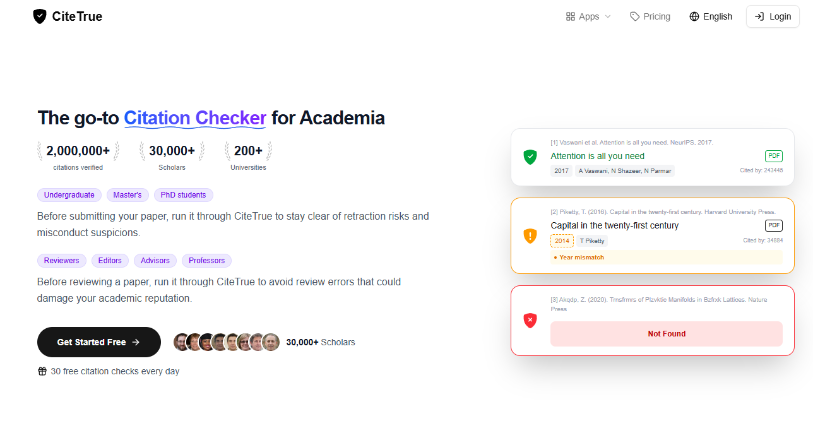
Three failures are especially common. A real report is cited with the wrong year. A plausible publication title has no matching record. A real paper is used to support a claim it never made. Only the first two are primarily metadata problems, yet they should be found before anyone debates the third.
The cost appears later if they are not. An analyst searches for the missing source during the board review. A consultant sends a corrected deck after the client has already questioned the research. A team rebuilds speaker notes and charts because one headline number cannot be defended. The rework is larger than the five-minute check that could have exposed the problem.
A simple test protocol makes the risk visible: place the exact source text beside the slide claim, verify the reference, then open the matched publication. If the analyst could not read the source or could not defend the number from it, the slide does not pass.
Build An Evidence Register Beside The Deck
The evidence register should be smaller than the presentation, not another report. Give each decision-bearing claim a slide number, the exact wording of the claim, its submitted reference, the verification state, and an owner. This creates a direct path from a red flag to the person who can resolve it.
Do not register every sentence. Focus on figures, market-size claims, competitor assertions, regulatory statements, customer behavior claims, and any evidence used to justify spending. Brainstorming prompts and clearly labeled hypotheses can remain outside the gate until the team promotes them into the plan.
- Slide and claim: the statement an executive will rely on.
- Reference as received: unchanged text from the draft.
- Verification state: match, notice, unsure, not found, or incomplete.
- Human owner: the person responsible for opening and reading the source.
- Release decision: keep, correct, replace, qualify, or remove.
This register solves the handoff problem. A designer can update the slide without deciding whether evidence is valid. An analyst can correct the source without rearranging the deck. A partner can see why a claim was qualified instead of receiving a vague note that “research was checked.”
Run Two Verification Passes Before Executive Review
CiteTrue works best when the first pass is broad and the second is selective. Paste the reference list or a focused batch into the text box, run Fast Verify, and review the result cards. The platform accepts numbered lists, bullet points, blank-line-separated citations, BibTeX, and common academic styles, so the team does not need to standardize every comma before checking existence.
Clear Exact Matches Without Ignoring Notices
Fast Verify compares structured citation details with baseline academic records and costs one credit per reference. A clean Authentic result can clear the metadata check. Authentic with Notice means the publication exists but a field such as the year or author list differs. That claim stays in the register until the source text or slide note is corrected.
Unsure deserves a different action. The checker found a candidate but could not confirm the identity. The owner should compare the candidate’s title, authors, year, and original publication with the reference used in the deck. A close match may still be the wrong work.
Escalate Only Claims That Block A Decision
Deep Verify hands one difficult reference to an AI agent that creates several search strategies and judges possible matches. It is useful for short references, author-year mentions inside prose, or items that return Unsure or Not Found. The deeper run costs about five times as many credits as Fast, so it should be reserved for claims that matter to the decision.
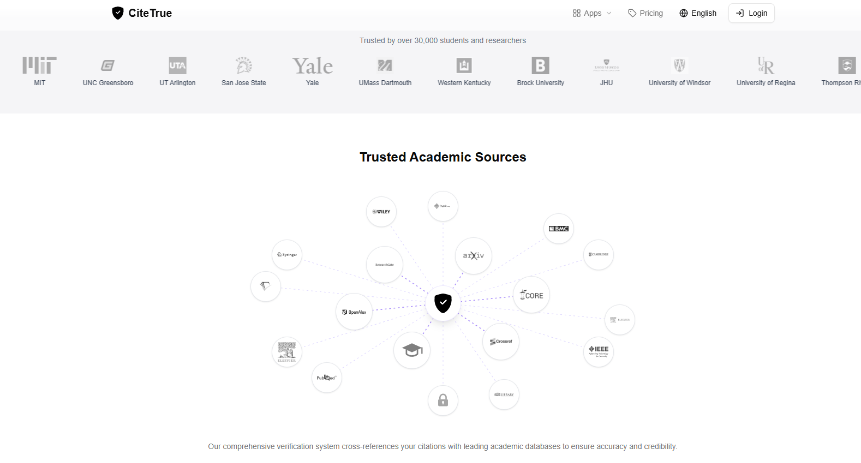
This is where an AI Citation Checker supports a practical strategy rhythm. Screen the whole evidence list cheaply, then spend deeper effort only where a missing source would change a recommendation, budget, or risk statement. A free account includes 30 daily verification credits, enough to demonstrate the gate on a focused executive deck before a team designs a larger process.
Treat Suggested Papers As Leads Not Repairs
When a reference has been deeply checked and still returns Not Found, CiteTrue can offer two or three related real papers. The candidates include basic publication details and links, making them useful starting points when an AI draft appears to have invented a source or when the original citation was badly typed.
Read The Candidate Against The Slide Claim
A related title is not enough. The replacement may discuss another market, time period, customer group, or method. The analyst must open the paper and locate evidence for the exact slide statement. If the support is narrower, the claim should be narrowed too.
This prevents cosmetic repair. Swapping an imaginary citation for a real but irrelevant paper makes the bibliography look healthier while leaving the decision unsupported. Such a slide would never clear a responsible board review.
Rewrite The Claim When Evidence Stays Weak
Sometimes no replacement supports the original wording. The right action is then to qualify or remove the claim. A statement such as “the category is growing quickly” may become “three reviewed competitors expanded into the category during the past year,” provided the team has evidence for that smaller observation.
The evidence register should record the change. That note preserves the reasoning when somebody later asks why the deck no longer contains the stronger headline. It also stops the next draft from reintroducing the discarded statement.
Release The Deck With Traceable Decision Evidence
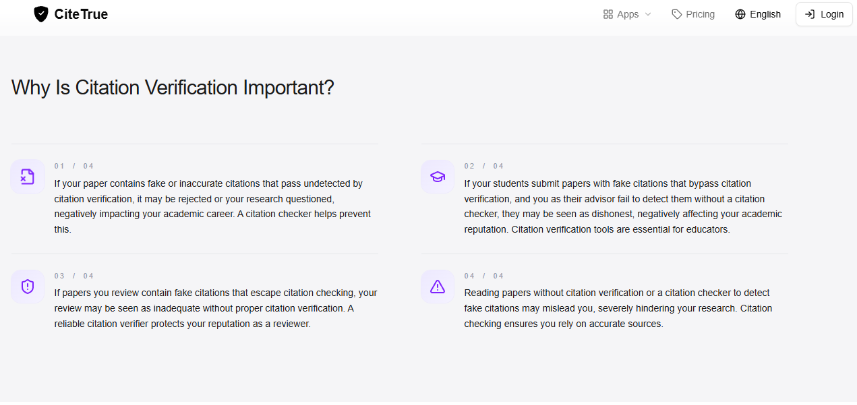
CiteTrue cannot judge whether a strategy is good, whether a market forecast is sensible, or whether a paper’s findings transfer to a new business. It can make a narrower and valuable contribution: confirm which cited publications match real records, expose metadata discrepancies, and give ambiguous references a deeper search path.
The strategy team supplies the rest. Keep important claims tied to their sources, name an owner for every exception, read candidate papers before replacing anything, and change the slide when the evidence cannot carry the original wording.
A board-ready deck should be more than visually complete. Its decisive claims should survive the simple request to open the source. When that check is part of the workflow, fast planning remains fast without asking executives to trust references that nobody has verified.