How do I choose ergonomic furniture for a modern workspace?
For many years, ergonomic office furniture was treated as an employee benefit—a nice addition to the workplace rather than a strategic business investment.
That perception is changing.
As organizations continue to rethink workplace design, business leaders are discovering that furniture decisions can influence far more than comfort alone. Productivity, employee well-being, collaboration, talent retention, and even company culture are increasingly connected to the environments where people work every day.
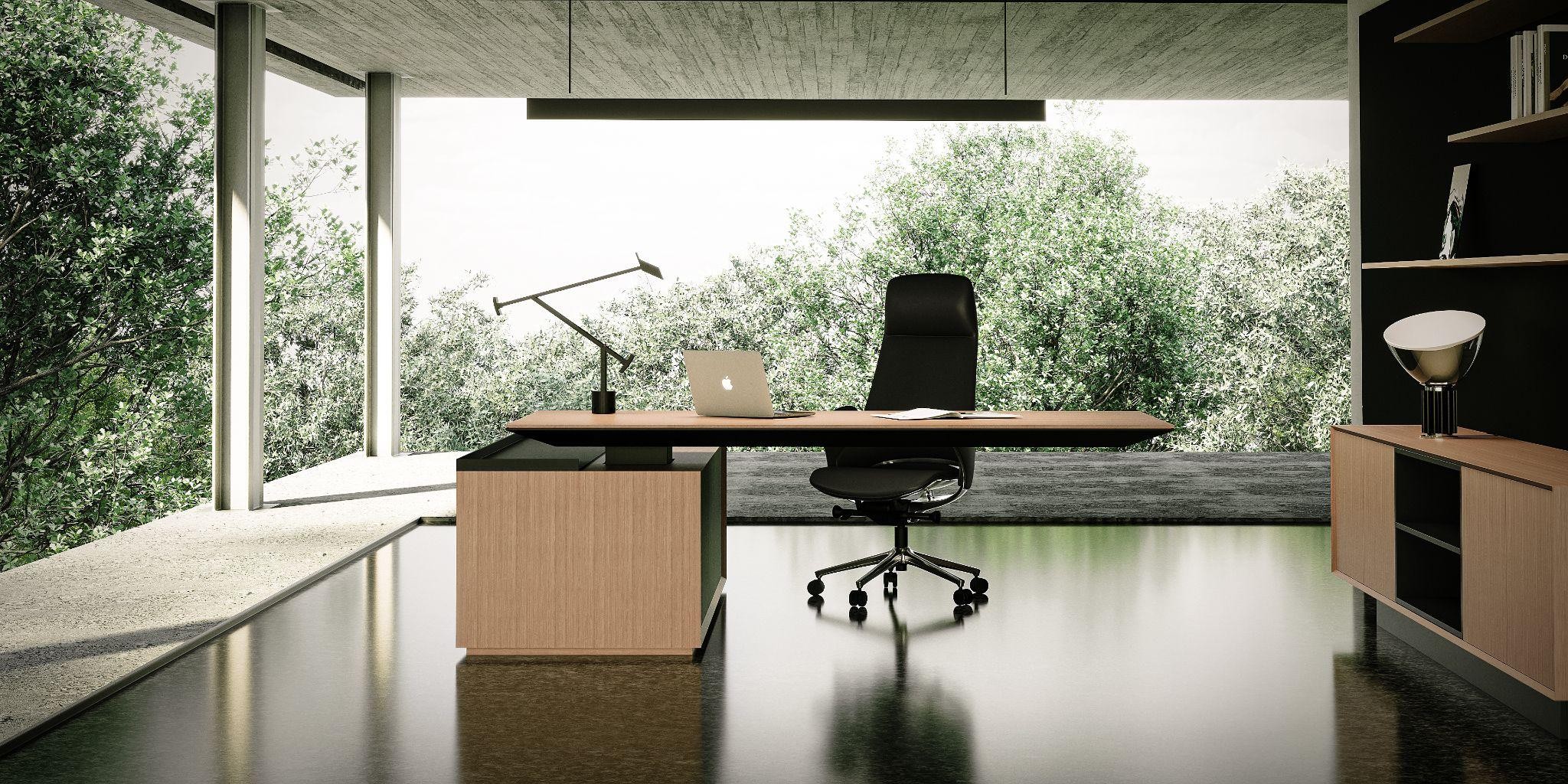
The question is no longer whether businesses should invest in ergonomic furniture. The more relevant question is how organizations can choose solutions that genuinely support modern work.
Across major business hubs, including Dubai and Abu Dhabi, companies are moving beyond traditional office layouts and embracing more adaptable workplace strategies. This shift has also increased demand for workplace specialists such as Urban 411 office furniture, which works with organizations on workspace planning, ergonomic furniture selection, height-adjustable desks, and modern workstation solutions designed around contemporary work habits.
Start With People, Not Products
One of the biggest mistakes organizations make when selecting office furniture is beginning with the product catalog.
Modern workplace planning should start with understanding how employees actually work.
A design team, for example, may spend long periods focused on creative tasks and require different furniture than a sales department that frequently collaborates and moves throughout the office.
Similarly, executives, project managers, hybrid employees, and client-facing teams often have different workspace requirements.
The most effective ergonomic investments are made when businesses first understand work patterns and then evaluate furniture options.
The Modern Workplace Is More Dynamic
The workplace of today bears little resemblance to the workplace of a decade ago.
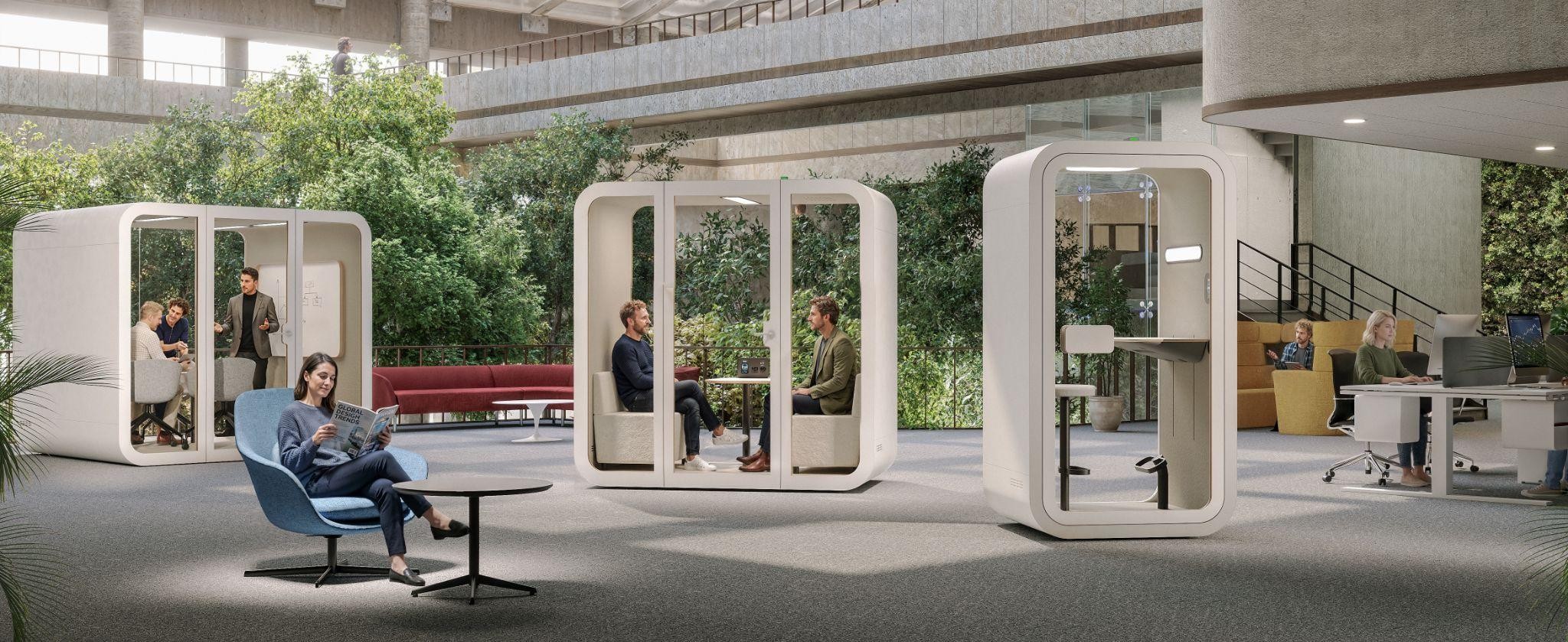
Employees move between video meetings, focused individual work, collaborative discussions, and digital communication throughout the day.
As a result, furniture must support movement and flexibility rather than encourage employees to remain in a single position for extended periods.
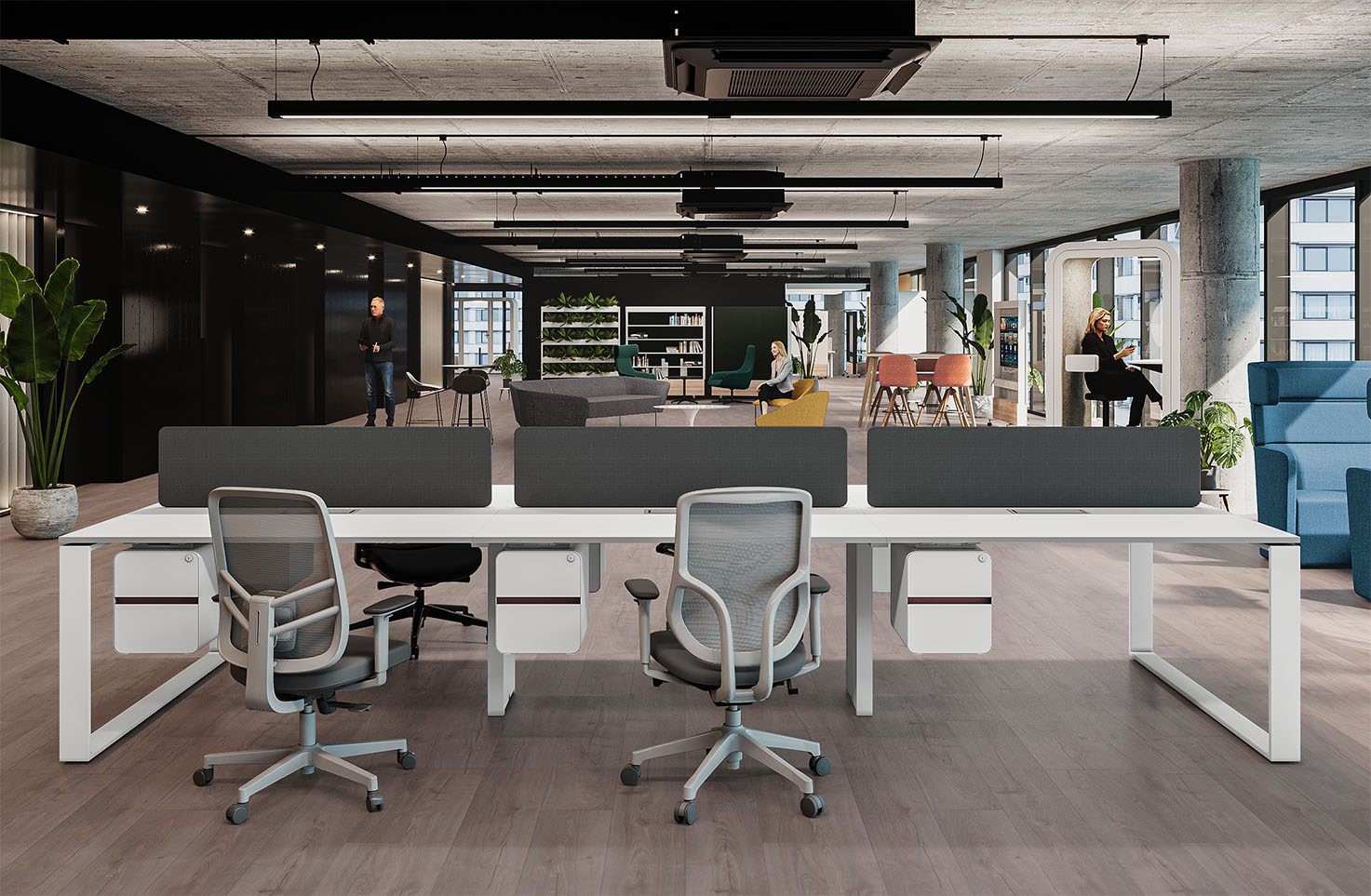
This is one reason height-adjustable desks have gained significant attention in recent years. They allow employees to alternate between sitting and standing, creating greater flexibility within the workday while supporting different working preferences.
The growing adoption of adjustable workstations reflects a broader shift toward workplaces that adapt to people rather than requiring people to adapt to the workplace.
Ergonomics Extends Beyond the Chair
When many people hear the term ergonomic furniture, they immediately think of office chairs.
While seating remains important, modern ergonomics involves the entire workspace ecosystem.
Business leaders should consider:
- Desk height and adjustability
- Monitor positioning
- Keyboard and mouse placement
- Workspace layout
- Accessibility of frequently used equipment
- Lighting conditions
- Employee movement throughout the day
An ergonomic chair alone cannot compensate for a poorly designed workstation.
The most successful workplaces view ergonomics as an integrated system rather than a single product category.
Flexibility Matters More Than Ever
Organizations today operate in an environment of constant change.
Teams grow, departments evolve, and workplace expectations continue to shift.
Furniture decisions should therefore be evaluated not only for current requirements but also for future adaptability.
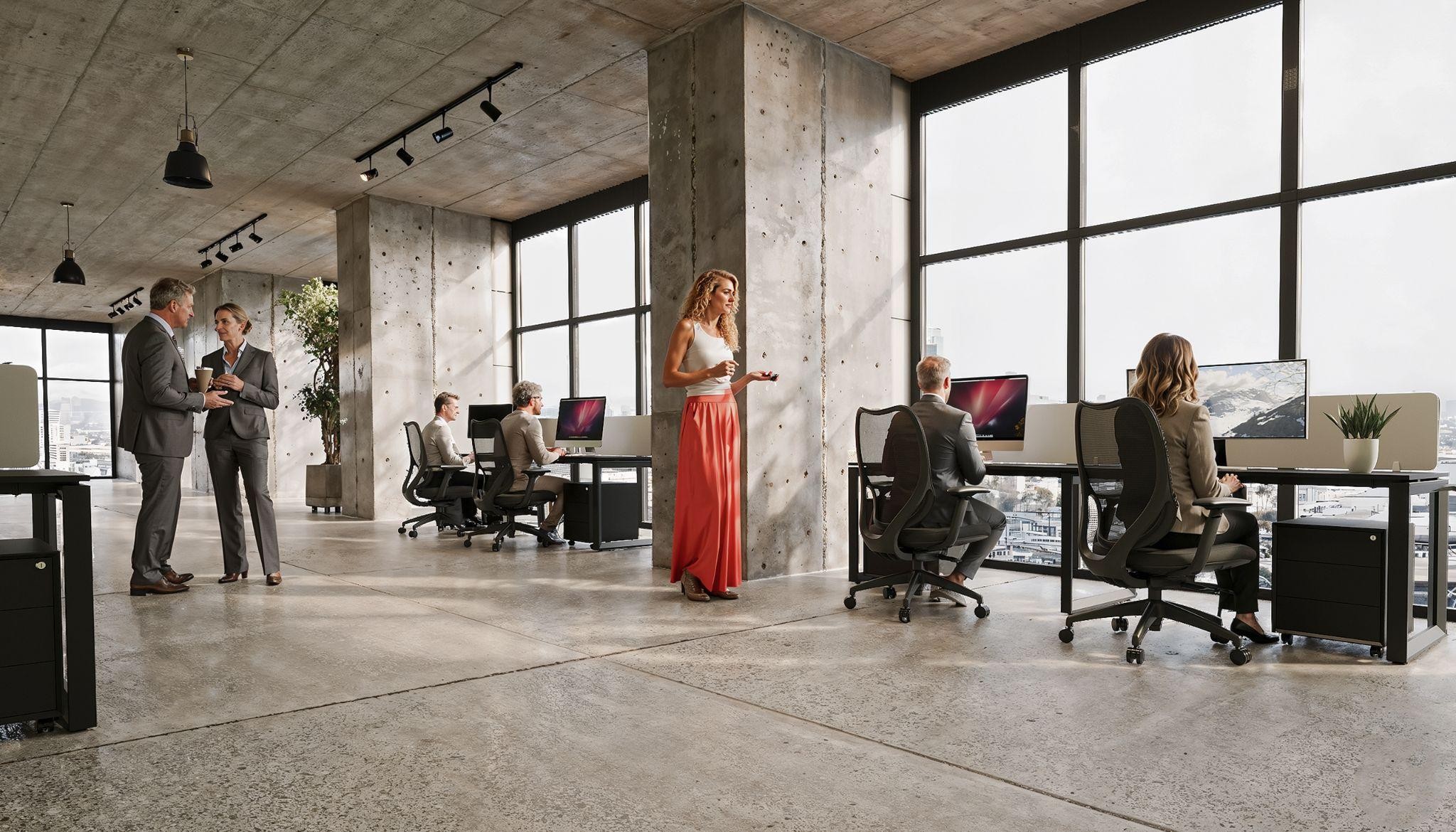
Modular workstation systems, flexible desk configurations, and scalable workspace solutions can help businesses respond to change without requiring costly redesigns every few years.
In many cases, long-term flexibility becomes just as valuable as immediate functionality.
Employee Wellbeing Has Become a Business Priority
The conversation around workplace wellbeing has matured significantly over the last decade.
Businesses increasingly recognize that physical discomfort, workplace fatigue, and poor workstation design can affect both performance and employee satisfaction.
While ergonomic furniture is not a complete solution, it plays an important role in supporting healthier work environments.
Employees who feel comfortable and supported throughout the day are often better positioned to maintain focus, engagement, and productivity over time.
For organizations competing to attract and retain talent, workplace experience has become an increasingly important differentiator.
Technology Is Influencing Furniture Decisions
The average employee now interacts with multiple devices throughout the workday.
Laptops, monitors, smartphones, collaboration platforms, and video conferencing tools have transformed how work gets done.
As a result, furniture must support technology integration more effectively than ever before.
Features such as cable management, integrated power access, monitor support systems, and adaptable workstation configurations are becoming standard considerations during workplace planning.
The relationship between furniture and technology is becoming increasingly interconnected.
The Real Question Businesses Should Ask
Instead of asking, “Which ergonomic chair should we buy?” organizations may benefit from asking a broader question:
“How can our workplace better support the people who use it every day?”
The answer often involves more than a single furniture purchase.
It requires understanding employee needs, work patterns, organizational goals, and future growth plans.
Businesses that approach ergonomics from this perspective are often more successful in creating workplaces that support both performance and wellbeing.
Looking Ahead
As workplace expectations continue to evolve, ergonomic furniture is becoming less about compliance and more about creating environments where people can perform at their best.
Organizations that view workplace design as a strategic investment rather than an operational expense are increasingly finding that the benefits extend well beyond comfort.
The modern workspace is no longer defined by rows of desks and chairs. It is defined by how effectively it supports the people, technology, and workflows that drive business success.