

Introduction
Niche entrepreneurs face a tough job of creating a recognizable brand. They cannot match the enormous funds that big companies allocate for design, marketing, and content. Small teams hardly ever have large budgets. Thus, it is difficult for them to be seen while also seeming professional in a very competitive market.
However, the good thing is that AI tools have completely changed the way things are done. Today, even a solo founder can create great-looking graphics, write excellent pieces, and build a brand without the help of big teams or spending a lot of money. What used to take days or weeks is now done in just minutes.
Here, we will look at the two most amazing AI features that can help niche brands: avatar generation and product video creation. With these tools, brand building, especially creating a clear, consistent, and strong brand identity, becomes a simple task even for those who don’t have big budgets. Let’s get started!
Why brand identity hits differently in niche markets
In very specialized markets, a brand’s identity is even more critical. Buyers aren’t only purchasing a product, they are buying a persona, a narrative, and a perspective. Niche audiences are particularly concerned about trust and genuineness. They want to feel that the person behind the brand truly understands their individual needs, rather than just offering a generic product.
As a result, the way your brand looks and feels on various channels is heavily weighted. Consistent visuals, same style, tone, and quality, lead to the perception that the business is trustworthy. And within small, intimate communities, people are the first to spot these kinds of details. If your branding appears random or upset, it can lower people’s trust in you.
The problem is that producing premium brand content is costly. Professional video production, graphic designers, and agencies are pricey, which most founders on a tight budget simply can’t afford. This generates a discrepancy between what is required and what is actionable.
This is exactly why AI solutions are the way to go. They are assisting business owners in bridging this divide, and two tools are setting the trend.
AI Avatars: A Human Face Without the Camera
Most niche entrepreneurs are specialized experts in their fields, but being a cameraman is not their cup of tea. Video anxiety is a genuine stress for many. It can be quite scary to talk smoothly, look confident, and shoot videos regularly, especially when you are doing it all by yourself.
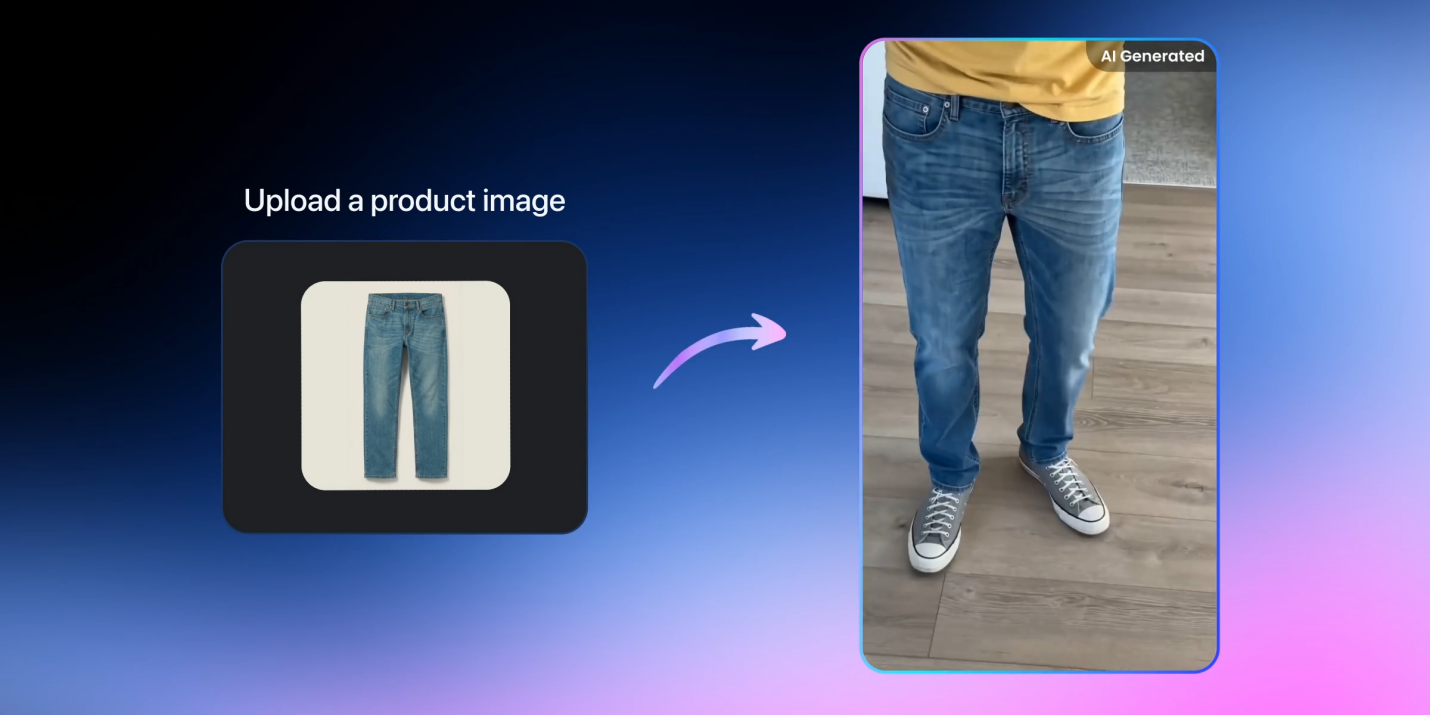
Here is where AI avatar tools can help. An AI avatar generator makes a digitally realistic version of you speaking through the script, just like a real person. You won’t have to record yourself, set up lights or do multiple takes. With only a product image or very basic input, the tool can create a human-like video for you.
One working example is Vmake AI avatar generator. It is an aid for business owners to generate videos with human features without shooting them. Basically, a product image or a product website link is sufficient for creating an appealing video with a realistic avatar presenter, and this is exactly what the software does. As a result, the task of small teams to continuously, locally, and effectively produce content is greatly facilitated and saved from the huge time and expense of traditional video production.
Key features:
- Being able to create shoppable videos from one single product image or even a URL without the need to film
- High-quality, photorealistic, and UGC-style visuals that get easily immersed in the social media feeds
- Further enhanced avatar realism through more accurate lip-sync, facial expressions, and motion flow
- Brand-customized AI avatars that maintain visual consistency over all videos for a more powerful brand identity
- Simple multilingual localization, just change the language, avatar, and scene for different markets
- Reduction of time in production workflows by not hiring models, shipping products, or arranging studios
- Constant representation of product in different scenes to ensure packaging, colors, and details are always accurate
AI Product Videos: Outshining Bigger Brands on a Lean Budget
Today many consumers are more inclined to purchase a product after seeing a video. It gives them an idea of how the product looks, feels, and works. But for niche startups, making such videos by the standard method is quite costly. You will require a studio, camera setup, models, and editing; these are the things that most small brands can’t afford.
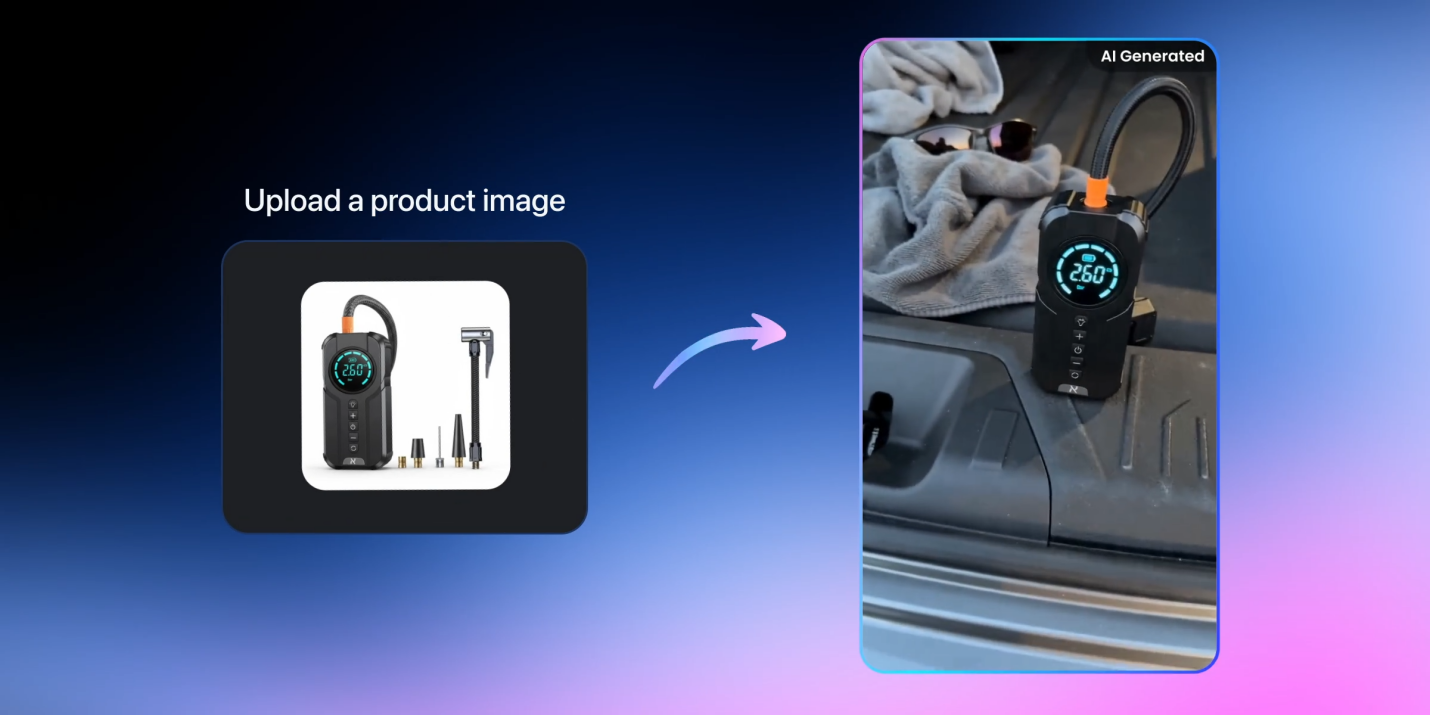
The Vmake AI product video generator is a great example. It implements advanced visual workflows, based on models like Seedance 2.0, Kling 3.0, and Sora 2, that transform one product image into a professional video presentation. There is no need for shooting, samples, or editing; simply upload an image and create your videos that can be used in-store, ads, or social media.
Key features:
- Performance is enhanced by advanced visual workflows based on the models Seedance 2.0, Kling 3.0, and Sora 2.
- Deliver quality video presentations of the product from a single product image without the need to shoot or handle the product.
- Video creation can be launched with a single click, and batch generation for several SKUs or variations is also supported.
- Generate product videos in the natural, native style that viewers would find trustworthy as they match real-world UGC.
- Keep strong product consistency across different scenes by maintaining packaging, colors, and details stable and accurate.
- Enjoy faster production workflows as there is no need to shoot, reshoot, or work with complex editing pipelines.
The Strategic Edge: Combining Both Tools
Great results come from combining the two. An AI avatar can be used to deliver a story, explain something, and keep the company’s leading figure in view all the time to help you build trust. On the other hand, AI product videos are all about illustrating the product well and maximizing conversions.
By mixing the two, you establish a powerful and uniform visual identity across all social media channels, product pages, and ads. Brand recall tends to be better with this consistent imagery, especially in the niche markets where trust is a key factor.
This means that, from a business perspective, it is a real edge. A lean startup can get a professional content system up and running without relying on massive teams or huge budgets. This becomes something like an operational moat over time, a competitive advantage that other competitors find very difficult to match.
Conclusion
AI-powered visual tools aren’t merely a “good to have” feature anymore in certain specialized sectors; they’re rapidly becoming fundamental necessities for creating strong, competitive brands. Besides, they enable small teams to produce consistent, top-notch content even without hefty budgets or extensive production arrangements.
However, the first-mover advantage still exists here. Business owners who adopt these intelligent tools can churn out more content, be steadier, and build brand recognition more quickly and more strongly than those who rely solely on traditional methods. Eventually, this results in a significant gap in visibility and consumer trust.
The key takeaway is simple: Content generated with the help of AI should be integrated into the core brand strategy rather than seen as an additional feature. Those who incorporate it early will have the upper hand in accelerating their growth and competing more effectively in their niches.




