
Freight container costs are not just a logistics detail — for any business moving physical goods across borders, they are a direct input into profitability. Right now, the market is in a buyer’s favor: spot rates in 2026 are oscillating between $1,400 and $1,900 per FEU on major Asia-Europe routes, down over 70% from their pandemic peaks. For small businesses starting to source or sell internationally, that creates real opportunity — but only if the cost structure is understood before the first container is booked.
LCL vs. FCL: The First Decision That Affects Your Cost Per Unit
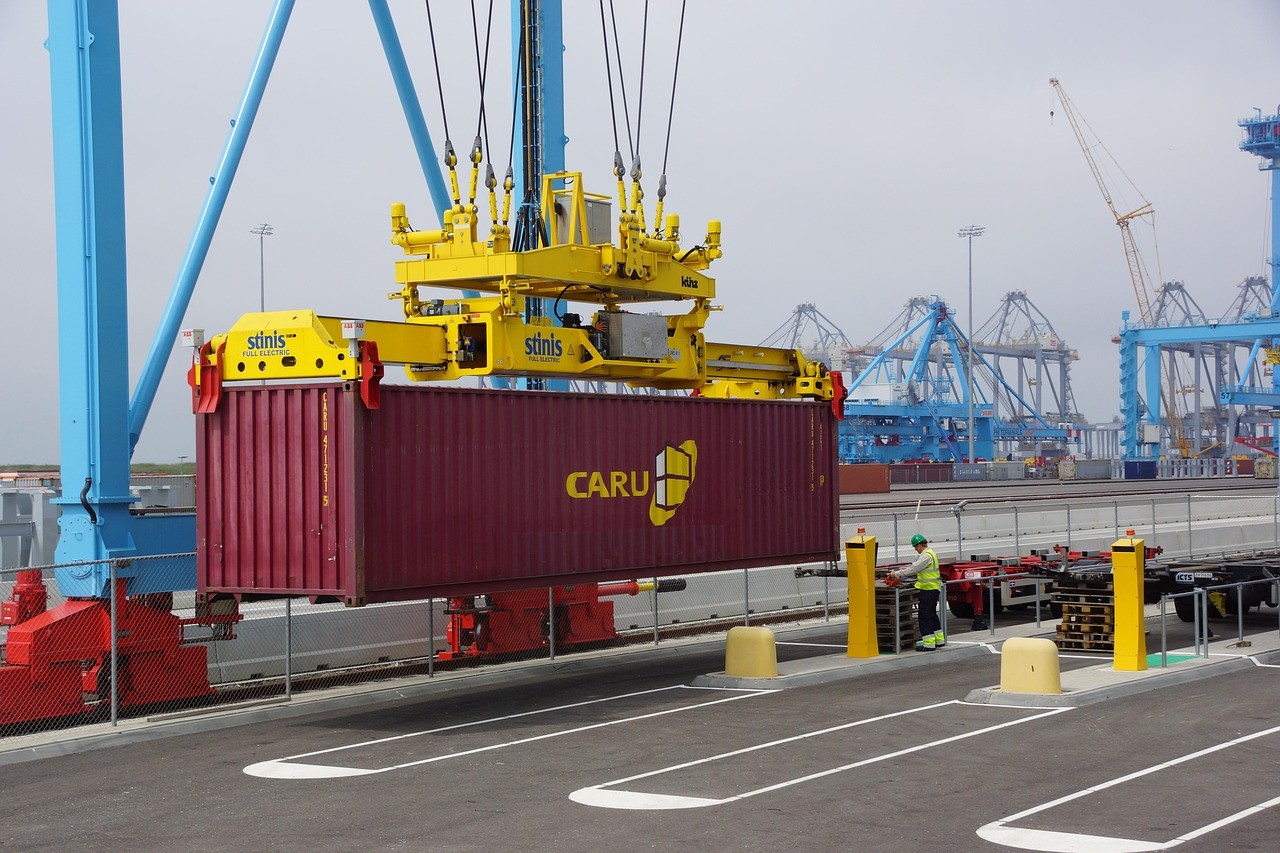
When booking ocean freight, the choice between Full Container Load (FCL) and Less than Container Load (LCL) has an outsized effect on unit economics. FCL means exclusive use of a container; LCL consolidates your cargo with other shippers’ goods. Special formats also exist for cargo that does not fit a standard box: flat rack containers, for instance, are used for machinery, structural steel, and oversized industrial equipment that cannot be enclosed.
FCL costs typically range from $800 to $8,000+ per container, depending on route and season, while LCL is priced per cubic meter (CBM) and typically ranges from $25 to $200+ per CBM. The practical break-even point sits around 15 CBM.
LCL can cost twice as much per cubic meter as FCL, so once shipment volume consistently hits that 15 CBM threshold, paying for a full container — even one that is not packed to the ceiling — often works out cheaper per unit and reduces handling risk.
What the Rate Quote Actually Covers
The base freight rate is only the starting point. The full bill includes terminal handling charges at both origin and destination, fuel surcharges (Bunker Adjustment Factor or BAF), peak season surcharges (PSS), and documentation fees.
A realistic landed cost calculation adds local port costs at both ends, prices the inland delivery leg, estimates cargo insurance, and then adds duties and brokerage fees. Businesses that budget only the ocean rate routinely discover the full tab is 30 to 50% higher.
Key Surcharges to Track in 2026
- Bunker Adjustment Factor (BAF): Tied to marine fuel prices, updated quarterly. Swings of $200 to $400 per container are common.
- Peak Season Surcharge (PSS): Applied during high-demand windows, particularly June through September and around Chinese New Year.
- IMO environmental surcharges: The second half of 2026 will see carriers begin building IMO 2026 environmental compliance surcharges into pricing, making proactive contract timing a key cost lever.
- Demurrage and detention: Fees for containers not returned within the carrier’s free-time window — easy to avoid with planning, expensive when ignored.
These line items accumulate quickly and erode margins before goods reach the warehouse.
Incoterms: Where Cost and Risk Split
Incoterms define who pays for what at each leg of the journey. FOB (Free on Board) is the most widely used term globally, particularly for ocean freight from Asia: the seller handles export clearance and loads the goods onto the vessel; the buyer controls the freight booking and manages import from that point.
CIF (Cost, Insurance, and Freight) places more responsibility on the seller, who covers costs and insurance until the goods reach the destination port — often favored by businesses new to importing.
The trade-off is visibility: under CIF, the buyer has less control over freight costs and, in some jurisdictions, the freight value is factored into the customs valuation, increasing the duty bill. Switching from CIF to FOB with the right freight forwarder in place is often the first meaningful cost optimization a growing importer makes.
Which Stocks Are Most Exposed
For publicly traded companies with heavy import dependency, freight is a visible line in gross margin. Nike sources most of its footwear from Vietnam and Indonesia and explicitly cited lower ocean freight rates as a gross margin driver in its fiscal 2024 earnings filings. When Asia–North America rates spike, the impact appears in quarterly results within one to two reporting periods.
Companies like Costco and Walmart have leverage to strategically absorb or negotiate freight costs within their supply chains — an advantage smaller importers simply do not have.
Mid-cap specialty retailers, apparel importers sourcing from Bangladesh or Cambodia, and electronics distributors importing from Taiwan and South Korea have structurally thinner margins and less negotiating power with carriers. They feel rate swings more acutely.
On the shipper side, the 2026 market offers importers more leverage than they have had since 2019, with breakeven rates for carriers estimated at $1,200 to $1,600 per FEU on transpacific routes — meaning rates well above that level still represent healthy margins for carriers, while importers have room to negotiate.
What to Watch Going Into the Rest of 2026
Record newbuild deliveries are adding substantial capacity just as demand growth moderates, giving importers more negotiating leverage than they have had since 2019. That said, the market remains jumpy — carriers actively manage capacity through blank sailings and alliance coordination to keep rates above breakeven, so the low-rate environment is not guaranteed to hold through peak season.
For small businesses, the practical implication is timing. Locking in contract rates while the market is soft, consolidating LCL shipments into FCL once volume justifies it, and building a full landed cost model — base rate, surcharges, terminal fees, duties, and inland delivery — are the moves that protect margins when spot rates inevitably climb again. Importers who approach freight as a strategic function rather than a commodity purchase are best positioned to maintain margins.