Asia’s fintech sector has spent years making financial services easier to access from a phone or browser. The next stage is less about simply putting an existing service online and more about improving what users can actually do once they arrive.
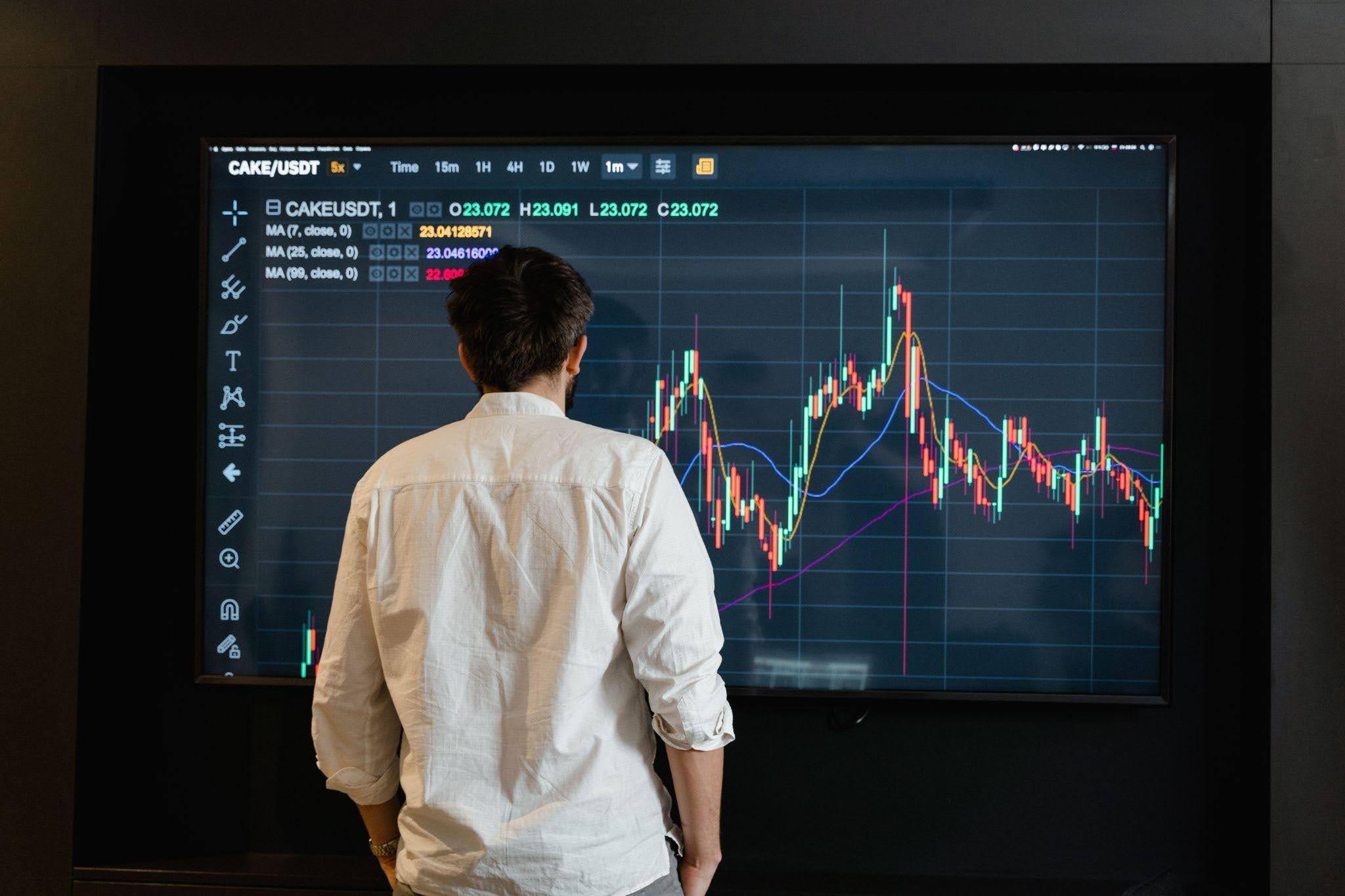
This means market analytics is becoming part of the core product rather than a separate tool. Charts, technical indicators, and market data can now sit alongside account management and trade execution, reducing the need to move between different applications. This changes both the customer experience and the technology behind it.
Singapore Shows How the Model Is Evolving
Singapore provides a useful example because its fintech ecosystem combines established financial institutions with technology companies and newer digital platforms. The Monetary Authority of Singapore has continued to support financial technology development, including initiatives intended to encourage greater adoption of emerging technologies across the sector.
At the same time, customers have become accustomed to financial applications offering much more than basic transaction functionality. Market information increasingly needs to be accessible within the same digital environment as the service itself.
Financial platforms offering access to TradingView Singapore, for example, can connect chart-based analysis with trading functionality. OANDA customers can link their account to the charting platform and trade through its charts, while deposits and withdrawals remain handled through their brokerage account.
This demonstrates how separate financial technology businesses can connect their respective strengths to create a more integrated customer experience.
Analytics Are Moving Into the Product
Market analysis used to involve a fairly fragmented workflow. A trader might study prices using one service, check other information elsewhere, and then return to a broker to place an order.
Embedded technology shortens that journey. Instead of treating charting as something that happens outside the trading platform, providers can integrate analytical functions into the same environment where customers manage their accounts.
This matters from a business perspective because fintech companies compete partly on how much friction they can remove. A platform doesn’t necessarily need to develop every feature itself — it can combine its own infrastructure with specialist technology from another provider, giving customers a more capable product without rebuilding an established analytical system from scratch.
That partnership model is becoming particularly relevant as Asian financial technology develops.
Partnerships Can Be More Practical Than Building Everything Internally
For fintech companies, developing sophisticated analytical software internally can require considerable engineering resources. The product then has to be maintained as devices, customer expectations, and market technology change.
Integration provides another route.
A financial platform can concentrate on areas such as pricing, execution, and account infrastructure while using specialist software for charting and analysis. This allows established analytical capabilities to become part of the product without requiring the platform provider to develop every feature internally.
This type of arrangement changes the traditional idea of a financial platform as a closed product. Instead, it becomes an ecosystem in which different technologies can work together behind a relatively simple interface.
For customers, much of that complexity stays out of sight. They see charts, indicators, and execution tools working within a connected workflow rather than the technical relationships required to make them available.
Mobile Use Raises the Importance of Integration
The shift toward mobile finance makes that simplicity even more valuable.
Moving repeatedly between applications is particularly awkward on a smaller screen. Embedded tools allow more of the process to remain within one workflow, whether someone is checking a price movement, adjusting a chart, or responding to changing market conditions.
Charting technology has consequently had to adapt as well. Integrated tools can offer responsive layouts designed for touch devices, while features such as watchlists can remain synchronized across browser, desktop, and mobile environments.
That consistency is important because financial technology is no longer designed around the assumption that customers will spend their entire session at a desktop computer. A platform may need to support someone moving between devices without forcing them to rebuild their working setup each time.

The Platform Itself Becomes the Differentiator
As access to financial markets becomes more widely available, simply providing an online account becomes less distinctive. The surrounding experience starts to carry more weight.
That creates an interesting business-model shift. Fintech providers can differentiate themselves through the quality of the technology they bring together rather than through proprietary development alone. Specialist integrations allow them to add mature capabilities while keeping attention on their own infrastructure and customer relationships.
There is also room for those relationships to become deeper. Analytical tools create a more active environment than a basic transaction interface because users can research market movements and act from the same workspace.
For platform operators, that makes integration a product decision rather than merely a technical one.
Asia’s Fintech Ecosystem Is Becoming More Connected
The broader direction of Asian fintech suggests that embedded analytics will sit within a much larger move toward connected financial services.
Singapore is already encouraging further technology adoption across its financial sector, while investment continues to flow into digital assets, artificial intelligence, and financial infrastructure. The common thread is that new technology is increasingly being applied to established financial workflows rather than existing as a separate product.
Market analytics is a natural part of that development. A chart doesn’t have to be a destination of its own. It can become one component within a wider financial platform, connected to market data and execution infrastructure behind the scenes.
That may be the more important change taking place.
Final Thoughts
As Asian fintech platforms mature, their competitive advantage will increasingly depend on how effectively different technologies work together. Embedded analytics shows what that looks like in practice: specialist capabilities becoming part of the platform itself, while the technical complexity required to connect them largely disappears from the customer’s view.