Strategy reviews stall when the talking slide still quotes last quarter. The Autopilot pack already shows the live unit cost. The mouth on that canvas does not. Before anyone books the founding pair for another camera day, Lip sync ai has a narrower job: keep the same stills the board already marked up, and make the spoken floor match the page they just approved.
The expensive habit is flying a partner back because one number moved. The SWOT is already in the room. The mash-up canvas already survived the red pen. What died is the sentence on the pricing slide. A rented presenter on those frames looks cheaper until the associate plays the cut next to slide nine and hears the old floor. That is the review that burns a week, not the missing competitor row.
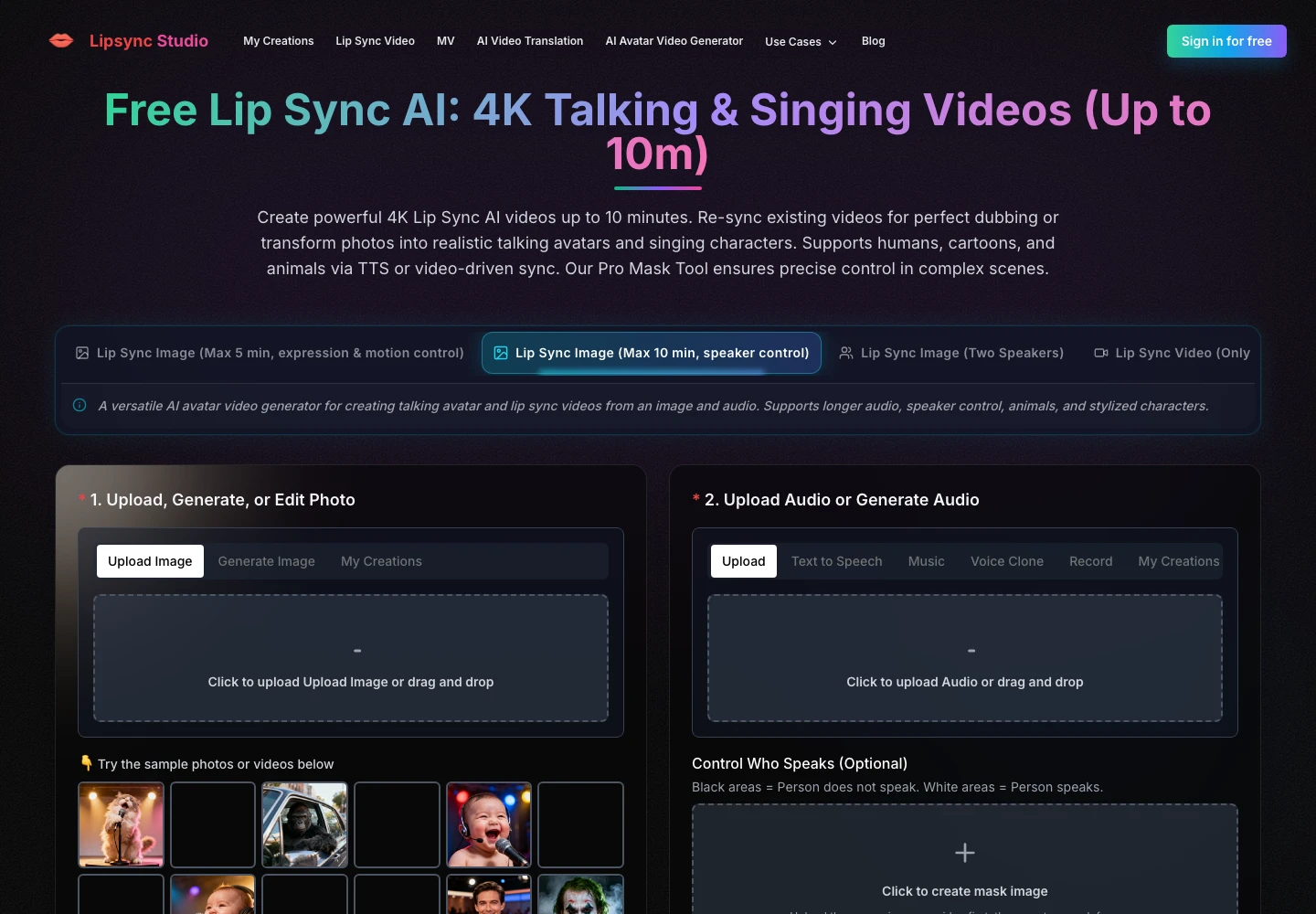
Board Packs Die On Last Quarter Spoken Math
A strategy pack is already a closed object once the partners initial the numbers. The TAM chart, the mash-up of two models, and the person who will defend the ask are the brand in that room. When the unit cost changes, the slide can update in an afternoon. The mouth cannot. People who sat through the last review treat the speaker as the person who stands behind the floor. A mute still plus a new caption protects the face and kills the reason anyone hits play.
The brief is not a new brand film. The brief is one honest sentence on stills the room will still defend. If the face on the canvas is the operator whose name sits on the memo, the voice has to stay that person. Mixing an approved still with an unsigned narrator is how a tidy cost update becomes a trust problem. Associates lose a review week arguing about taste when the real fail is simpler: the mouth and slide nine no longer sell the same floor. Lipsync Studio is useful here only if those stills stay and the new line is short enough to replace.
Flying Partners Back Costs The Review Week
A reshoot sounds clean until you add the calendar. One founder is on a customer site. The original backdrop was a rented wall that is gone. The coffee cup that sat in the first still is a different color now. You can spend a morning chasing that setup and still miss the partner window. The cheaper path is the file you already have, plus a new line recorded in a quiet room.
That swap only works when the spoken floor is the only thing that changed. If the offer, the customer, or the operator on camera changed, no mouth tool saves the cut. Rewrite the slide and book the pair. Do not ask a generate button to invent a new company.
Reject A Host The Memo Did Not Name
Talent swaps are the usual shortcut. A clearer voice, a younger face, a stock presenter who sounds more national. The memo named a specific operator. A new host on that canvas is a different pitch. Send it back before anyone generates. The first preview can look tidy until a partner recognizes the chart and not the person. That file is discarded even if the number is right.
Quoted Lines And Scene Tags Rebuild The Pitch
When the room needs a new talking cut from stills it already owns, write the live sentence in quotes inside the prompt. Name the speaker. Tell the tool to keep the canvas in frame. If the pack uses more than one still, tag each scene so the order cannot drift: the first canvas is @image1, the second is @image2, the third is @image3. Keep each tag tied to one slide. The model can then hold character and scene order instead of inventing a fourth room the partners never sat in.
Start short. A five- to eight-second line that names the live floor is enough for a review. A ninety-second tour of every mash-up will drag the mouth through pauses the slide does not earn. If the operator rambles through three old add-ons before hitting the number, cut the line before you generate. The tool will not edit the offer for you.
Put The Live Number In Quotes
The prompt has to carry the same digits that sit on slide nine. Write the sentence the way the operator would say it in the room, then put those words in quotes. Add a plain note for natural lip movement and a still head. Do not paste last quarter’s script and hope the model notices the new floor. If the quote and the slide disagree, the generate will faithfully sell the wrong math.
Tag Each Canvas Still Before You Generate
Partners notice when the second still appears first. They notice a backdrop that was never in the pack. Tag the stills in the same order as the Autopilot export. If you only need the pricing canvas, upload that one still and stop. Extra reference images are how a cost update grows a hallway the firm does not lease.
Budget Drafts Stay Off The Partner Deck
There is a cheaper generation path labeled Video Generation (Budget). Use it to hear whether the quoted line even fits the still. Do not drop that draft in the shared partner folder. The room will treat whatever they hear first as the ask. A rough mouth on the right number can still be a fail if a partner forwards it as the final cut.
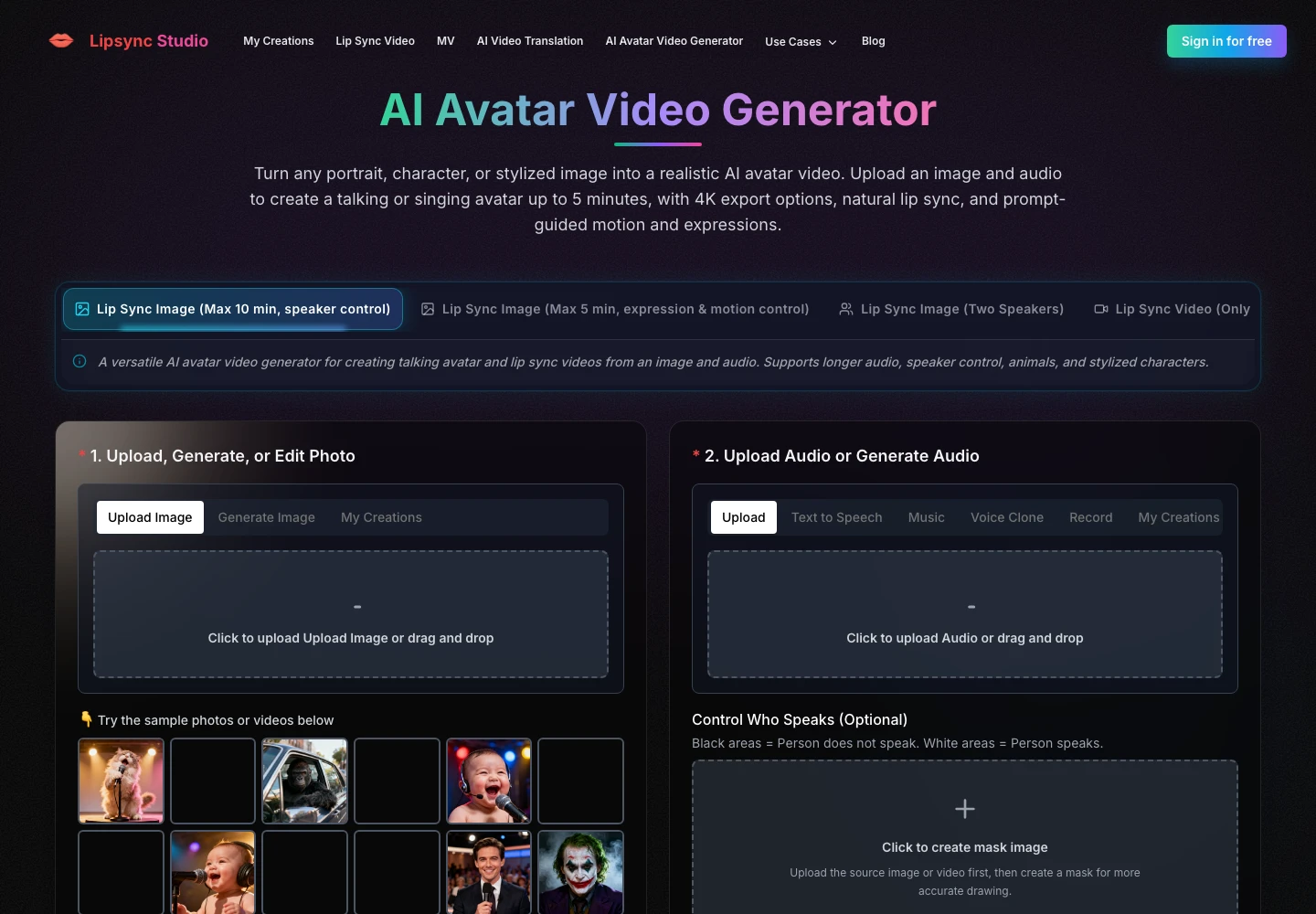
Keep the Budget file in a private scratch folder. When the sentence is honest, run the same stills and the same quote on the stronger video path. The associate’s job is to stop the first listenable draft from becoming the record. Lipsync Studio will produce both. It will not know which folder is safe.
Keep Budget Off The Shared Folder
Name the scratch file so nobody mistakes it for the deck insert. Play it once against slide nine. If the mouth is late or the still crops the unit-cost label, discard it and fix the still or the line. Do not “improve” a Budget cut by adding a second presenter. That is a new pitch.
Numbers Must Match The Autopilot Slide
Play the new line over the live Autopilot export, not over last quarter’s PDF. If the mouth is tidy and the spoken floor is gone from slide nine, the file is still a fail. Partners watch the number and listen for the offer in the same second. A stranger cadence is discarded. A perfect mouth on last quarter’s math is sent back to the associate, not into the room.
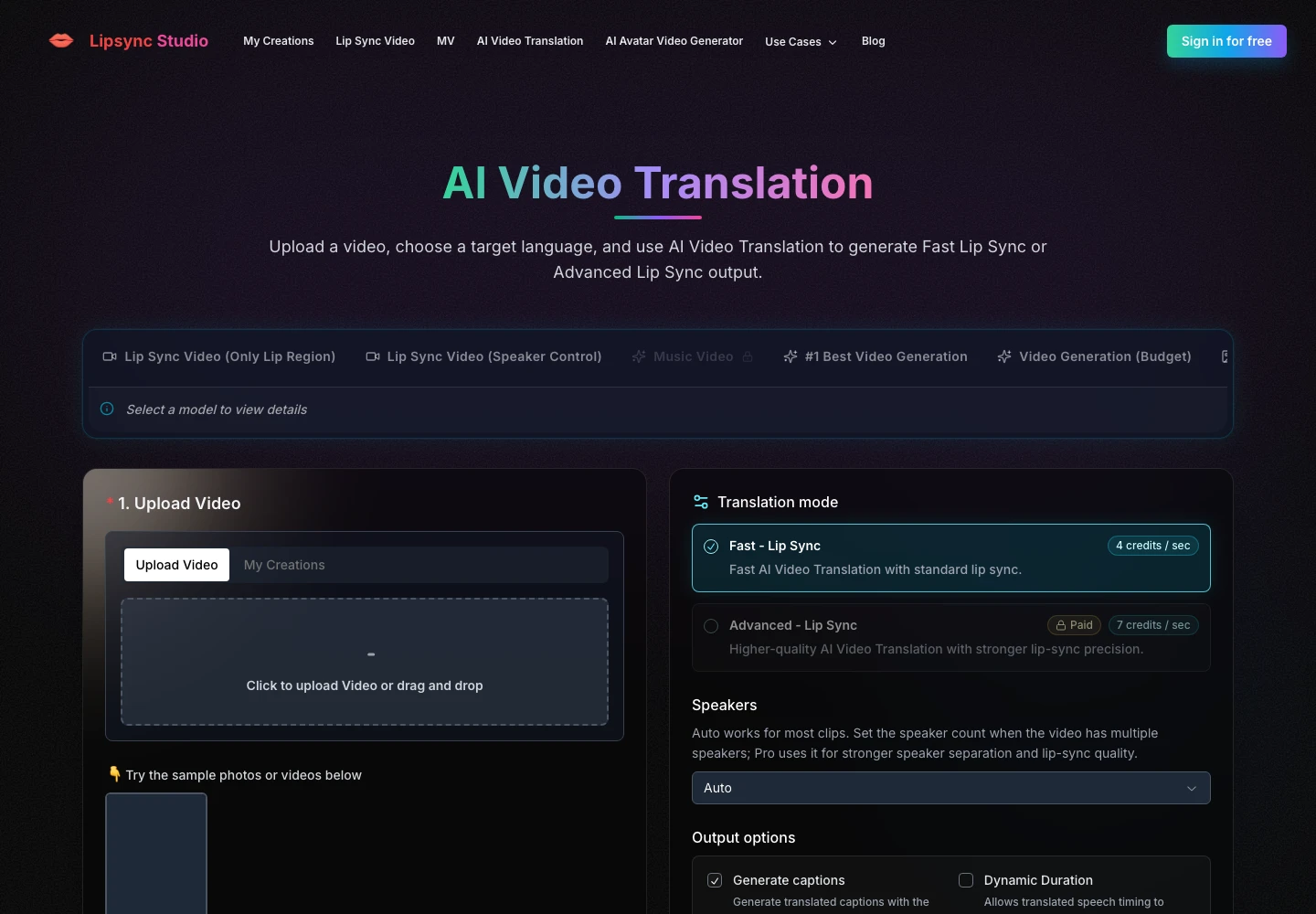
This is also the right place to kill an AI music video generator impulse. A multi-shot song treatment with new rooms belongs to a launch film, not to a cost change on canvases the partners already marked. Using that path here usually adds offices the firm never rented and then asks the associate to defend them.
- Lock the live floor on slide nine before you write the quote.
- Upload only the stills that already sit in the pack.
- Generate a short line, then play it against the export.
- Hand the file only when the mouth and the slide name the same number.
Kill A Line That Names The Old Floor
If the operator still says the old unit cost anywhere in the take, cut that clause. The generator will not ignore it for you. A leftover “same as last quarter” buried after a correct number is how a partner later claims the firm baited the room. The discard rule is the leftover clause, not a slightly late mouth.
Hand The Cut When Slide And Mouth Agree
Deliver the insert only after the spoken floor matches the Autopilot page. The strategy desk can use Lipsync Studio when it already owns those stills and only needs a new line from the same operator. A new offer, an unsigned host, or a narrator the memo did not hire needs a different source before another generate.
The handoff rule is narrower than taste. If the approved face is the only speaking identity and the new number lands on the floor the slide sells, the cut can replace the old file. Keep the marked pack beside the export. The next quarter will ask for a new sentence and the same canvases. Repeating a known mouth is faster than discovering, in a partner review, that the firm is now being sold by someone the memo will not name.
The tool does not close the review. Slide nine does. When those two agree, stop generating.