

Tap-to-pay gets all the attention, but cash still has one advantage no card network can match: the money is yours the second the sale closes, with no processor skimming two or three percent off the top. For anyone considering a cash-based business in 2026, that combination of instant payment and low overhead is a major advantage. The catch is that a business paid in cash lives or dies by how well you handle those bills. Below are nine models that still pay off, each with a rough cost to enter, what it can earn, and one honest thing to watch before you commit.
Why cash-only businesses still pay off in 2026
It is tempting to assume everyone has gone digital, but the spending data says otherwise. Cash use has held steady recently even as card and mobile payments climbed, and plenty of shoppers still reach for bills on small, everyday purchases. That steady baseline matters when you are choosing what to build.
The habit runs deepest among the customers many of these businesses serve. Roughly two-thirds of the country’s unbanked households rely on cash for everything, according to FDIC survey data, and plenty of banked shoppers simply prefer to pay with bills for small, everyday purchases. Add in the card fees you skip, the equipment and software you do not need, and the money that lands in your hand rather than clearing three days later, and a cash-heavy model starts to look less old-fashioned and more like a lean way to keep more of what you earn.
1. Laundromats
The laundromat is the business most people picture when they hear “cash-only”, and for good reason: customers do the work, the machines take the money, and a well-placed store can run on a few hours of owner attention a week. Buying an existing operation usually beats building one, since you inherit the equipment, the location, and a track record you can actually inspect. Expect to pay anywhere from the low six figures for a small store up to several hundred thousand for a busy site, with a healthy one clearing several thousand dollars a month.
Laundromats cluster where people rent rather than own, and those neighborhoods skew toward cash. A single store can take in thousands of dollars in small bills and coins each week, and counting that by hand eats straight into the hours the model is supposed to give back. Machines like Kolibri cash counters turn end-of-week reconciliation into a few minutes and flag counterfeits while they run, which is why the equipment tends to pay for itself fast in any coin-and-bill business. The thing to watch is the asset itself: aging equipment, rising utility bills, and overpaying for a tired location are the classic ways this “passive” business quietly stops being passive.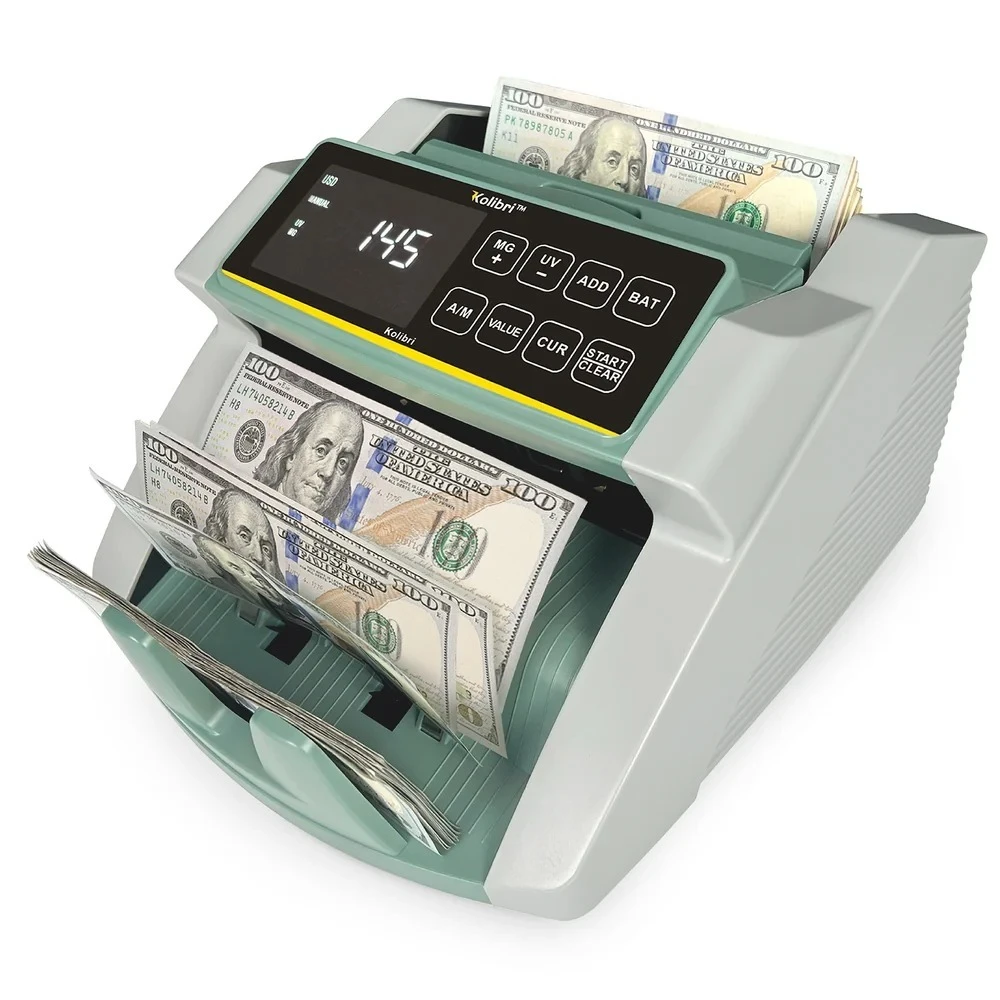
2. Vending machine routes
Vending also rides on steady cash demand:Federal Reserve payment research shows cash is still the third most-used payment method, with rural and lower-income shoppers relying on it most. The margins on snacks and drinks are healthy, and you can add machines whenever cash flow allows. Success comes down to location deals and restocking discipline, since a machine in the right hallway prints money while one in a quiet corner just gathers dust. Be honest with yourself about the “passive income” pitch, though: prime spots are often locked up or take a cut, and theft and breakdowns eat into returns more than the sales copy admits.
The margins on snacks and drinks are healthy, and you can add machines whenever cash flow allows. Success comes down to location deals and restocking discipline, since a machine in the right hallway prints money while one in a quiet corner just gathers dust. Be honest with yourself about the “passive income” pitch, though: prime spots are often locked up or take a cut, and theft and breakdowns eat into returns more than the sales copy admits.
3. Food trucks and mobile food
A food truck lets you run a kitchen without the rent, the long lease, or a dining room to clean, and a good lunch rush is still largely cash. Startup costs sit well below a brick-and-mortar restaurant, though a fully equipped truck can still run from forty thousand into six figures, depending on whether you buy new or used. Park where the crowds already are, keep the menu short enough to execute fast, and become the truck regulars look for.
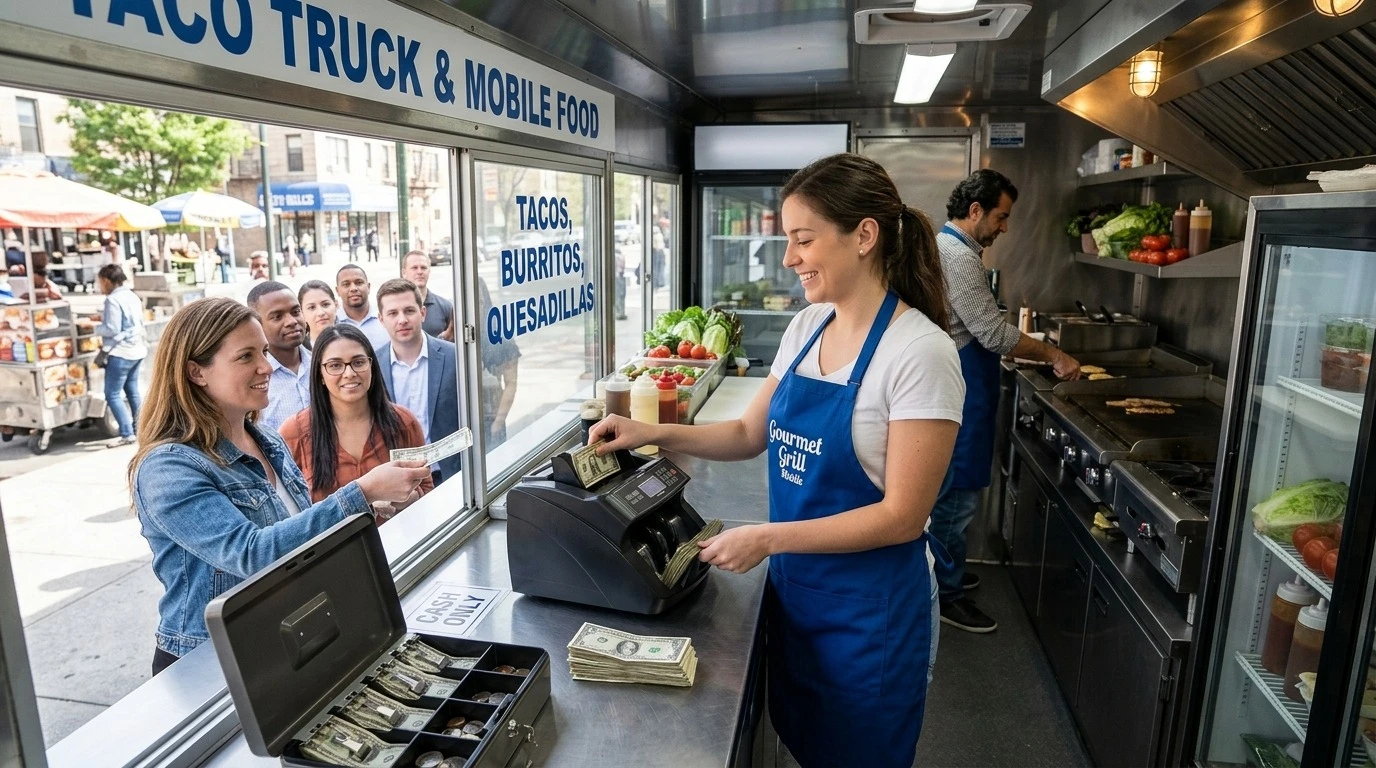
Festivals, office parks, and late-night bar districts all reward operators who show up on a reliable schedule. The honest warning is that margins are thinner than they look once you account for permits, equipment, and food costs, and weather can turn a promising day into a loss. Plenty of trucks close inside two seasons, so treat the first year as a test of your location and your numbers, not just your recipe.
4. Car washes
Car washes pair steady cash flow with real estate you can eventually own, and both self-service bays and automatic tunnels run happily on bills, quarters, and quick taps. The upfront cost is higher than most options here, often starting in the low hundreds of thousands for a site, but so is the ceiling, and a busy location in the right spot can clear strong monthly revenue. A monthly membership plan smooths out the slow weeks and turns one-time washes into predictable income.
Water recycling systems keep ongoing costs lower than most people expect, which helps the math over time. The trade-off is that this is a capital-heavy entry with real maintenance demands, so it suits someone with money to invest and patience for the ramp rather than anyone looking for a quick, cheap start.
5. Home and cleaning services
House cleaning, window washing, junk removal, and handyman work share a rare mix: almost no startup cost and customers who often pay in cash on the spot. You can begin solo with a vehicle and basic supplies for a few hundred dollars, charge somewhere between twenty-five and seventy-five dollars an hour, depending on the service, then add a crew as demand grows. Repeat clients are the whole game, since a handful of weekly and biweekly jobs can fill a calendar and keep income predictable.
Word of mouth in a single neighborhood is often all the marketing you need to stay booked. The constraint is labor: your income is capped by how many jobs one pair of hands can finish in a day, generic cleaning is crowded, and burnout is real. Growing past that ceiling means hiring and managing people you trust, which is a different and harder business than the one you started.
6. Lawn care and landscaping
Lawn care rewards recurring routes and a low skill barrier, and cash per visit is the norm. A mower, a trimmer, and a trailer will get you started for a few thousand dollars, and a solo operator can earn fifty to a hundred dollars an hour on a tight route where clients sit on the same street. Seasonal cleanups, mulching, and simple landscaping let you upsell the same customers without chasing new ones.
The demand is reliable, but the field is crowded and physically punishing, and equipment and fuel costs never stop. Winter is the honest problem: in most regions, the work dries up for months, so build a seasonal cushion or pair it with a cold-weather service like snow removal to keep income steady year-round.
7. Hair salons and barbershops
Personal care runs on cash and tips, which makes a small salon or barbershop a dependable earner. You can start with a single chair for a modest setup cost, rent stations to other stylists for steady rental income, and grow from there, with a small shop realistically launching somewhere in the five-figure range. Clients rebook on a rhythm, every few weeks for a cut and more often for color, so a loyal base creates income you can almost forecast.
Location and reputation carry this one, and the operators who win treat the booking experience as seriously as the haircut. It is worth studying what salon scheduling software reveals about keeping chairs full and clients coming back, because a shop that manages its calendar well simply earns more from the same hours. The watch-out is that licensing and insurance are mandatory, and your income is capped by your hours and chairs until you hire or rent space.
8. Farmers market and specialty food stalls
If you can bake, brew, roast, or grow something people want, a market stall turns that skill into weekend cash. Baked goods, coffee, hot sauce, honey, and fresh produce all sell briskly to shoppers who arrive with bills in hand, and the barrier to entry is little more than a table, a permit, and your ingredients. Overhead stays low, and a popular stall doubles as free market research for a future storefront or online shop.
Regulars will find you, and the best vendors turn a Saturday morning into a genuine second income. The honest limits are weather and capacity: an outdoor stall lives at the mercy of the forecast and the season, and your earnings are capped by how much you can produce by hand before the market opens.
9. Mobile auto detailing
Mobile detailing brings the service to the customer’s driveway, which is exactly what people will pay a premium for. Startup costs are moderate, mostly equipment, cleaning products, and a water setup you can run for a few thousand dollars, and payment is made in cash the moment the job is done. Word of mouth spreads fast when a car looks showroom-fresh in someone’s driveway, and repeat bookings build quickly.
The economics are strong per job, but income is capped by how many cars one person can finish in a day, and the work is weather- and season-dependent. Scaling means hiring and training people to hit your standard, which changes the nature of the business, so decide early whether you want a busy solo operation or a company to manage.
Handling the cash (and staying compliant)
A cash business is only as profitable as the money you actually keep, and physical currency is easy to lose track of. Skimming, simple miscounts, and theft all eat into margins in ways a card terminal never does, so tight daily routines matter more here than in almost any other business. Count every drawer at open and close, deposit on a predictable schedule, and store cash securely between runs to the bank.
Two habits protect the rest. First, screen for counterfeits, since a fake bill is a straight loss and busy cash businesses are common targets. Second, keep your records clean enough to survive a tax audit, because a cash-only model carries no special tax break and every dollar is still reportable. Any time you take more than ten thousand dollars in cash from a single buyer, whether in one payment or several related ones, you are required to report it to the IRS on Form 8300. None of this needs a heavy tech stack, but even a simple operation benefits from understanding how technology shapes a business model, so you spend on the few tools that actually save you time and skip the ones that do not.
How to pick the right one for you
The best cash business is the one that fits your budget, your skills, and the amount of hands-on time you actually want to spend. A food truck rewards energy and a strong recipe. A laundromat rewards patience and a smart location. A detailing van rewards hustle and an eye for detail. Match the model to where you are right now rather than to whichever option looks most impressive on paper.
Before committing, count the realistic number of paying customers in your area and how often each would buy, then subtract every cost, fuel, supplies, permits, insurance, and your own time included. That single exercise separates a real business from a tiring hobby, and it is the step most new owners skip.
Frequently asked questions
What is the most profitable cash-only business?
The most profitable option is usually a recurring, location-driven business with low overhead, such as a well-placed laundromat, a vending route, or a car wash. Profit comes from steady repeat demand and near-zero marketing cost rather than a giant margin on any single sale. The right answer depends less on the category and more on your location, your capital, and how well you run it.
Are cash-only businesses legal in 2026?
Yes. There is no federal law requiring a business to accept cards, checks, or digital payments, so choosing to take only cash is completely legal. A handful of cities and states have passed rules requiring retailers to accept cash, so the main thing to check is local law in your area.
Do cash-only businesses really have lower startup costs?
Many service-based ones do, since you sell your time and a few tools rather than carrying inventory or paying for card-processing hardware. Asset-based models like laundromats, car washes, and vending are the exception, because they need real money upfront and carry ongoing maintenance costs. In every case, cash simply removes the processor fees and merchant-account setup that card acceptance requires.
Is a cash-only business a way to avoid taxes?
No. Cash income is fully reportable, and treating a business as a way to hide earnings is illegal and a quick way to lose it. The legitimate appeal of a cash model is speed of payment and lower overhead, not dodging what you owe. Keep clean records and file honestly, and the model works entirely in your favor.
How much cash can a business accept before reporting it?
A business must report any cash payment over ten thousand dollars from a single buyer to the IRS using Form 8300, and this rule applies whether the amount comes in one payment or several related ones. The rule is about large single transactions, not your total revenue. Most small cash businesses rarely cross this threshold, but it is worth knowing about the rule before you do.
Which cash-only business is easiest to start with little money?
Service businesses like home cleaning, lawn care, and mobile detailing are the cheapest to launch, often needing only a vehicle and basic equipment. You can start solo and reinvest your first earnings into better tools or a small crew. The trade-off is that your income stays capped by your own hours until you hire.
How do cash-only businesses protect against theft and counterfeit bills?
They rely on tight daily routines: counting drawers at open and close, depositing on a set schedule, and limiting how much cash sits on site overnight. Counterfeit detection, whether built into a counting machine or a standalone scanner, catches fake bills before they become a loss. Security cameras and a small safe take care of the rest.
Do customers still carry enough cash to support these businesses?
Yes, especially for the local, in-person purchases these businesses depend on. Federal Reserve research shows cash remains the third most-used payment method and that usage has held steady, with rural and lower-income shoppers relying on it most. For the right business in the right location, cash demand is more than enough.
Can a cash-only business grow into a bigger operation?
It can, but growth usually means moving past the single-owner ceiling. A cleaner hires a crew, a detailer opens a second van, and a vending operator expands the route. Each step trades hands-on simplicity for management, so decide early whether you want a lean solo business or a company to build.
What is the biggest mistake new cash-only business owners make?
The most common mistake is confusing gross cash with profit. Bills in hand feel like earnings, but fuel, supplies, permits, insurance, and your own time all take a bigger share than it seems. Owners who track their real numbers weekly catch this early, while those who do not often work hard for a margin that was never really there.
The bottom line
Cash is still very much alive, and for the right entrepreneur, it remains one of the quickest ways to run a business that pays you as soon as you make a sale. The nine models here span every budget and temperament, from a few thousand dollars and a detailing kit to a six-figure laundromat that mostly runs itself. Whichever you choose, the operators who last are the ones who treat cash handling as seriously as the selling, because in this kind of business, the money you keep is the whole point.





