
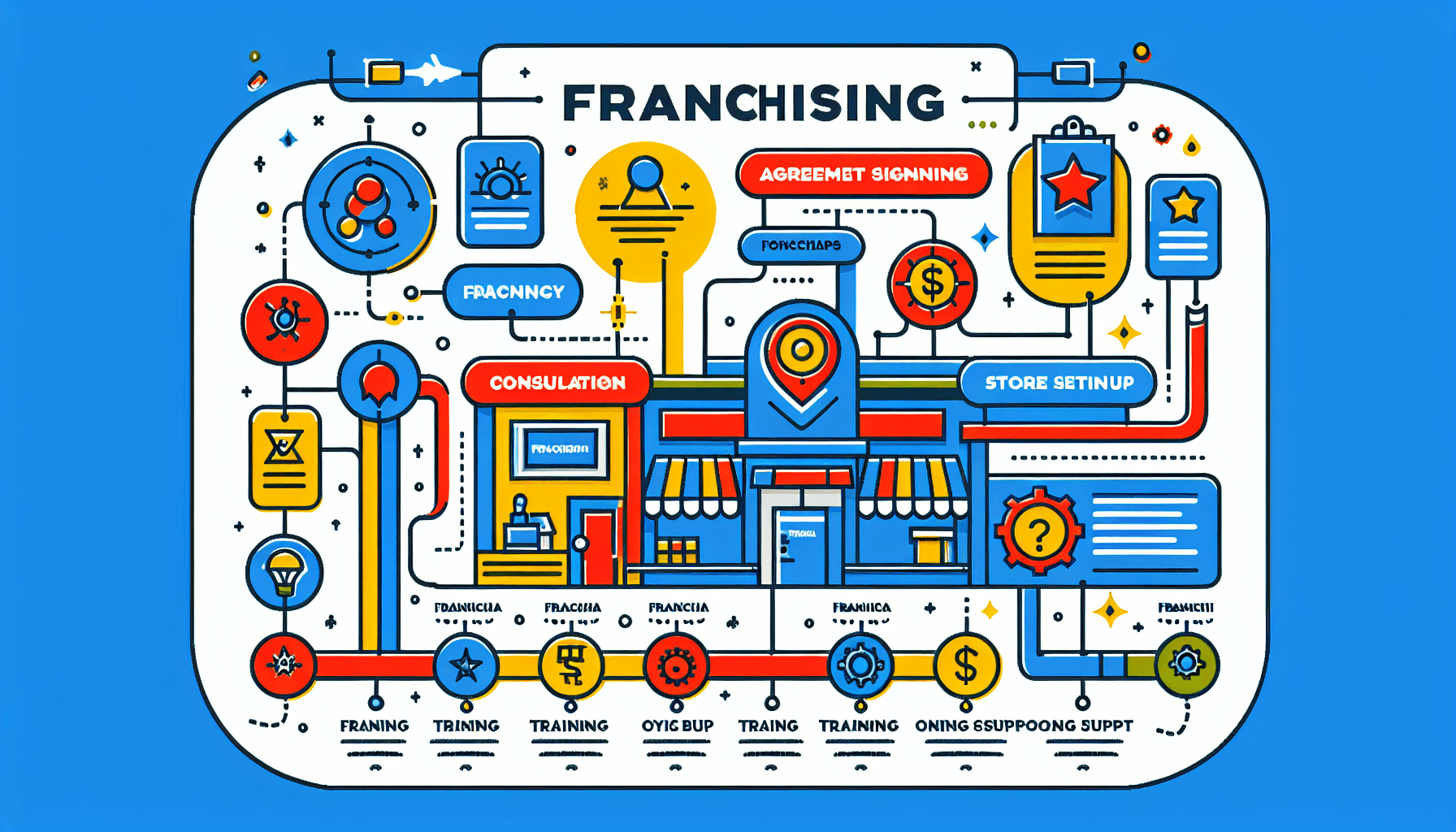
Starting your own business can be exciting, but it can also feel challenging. One popular way to enter entrepreneurship is through franchising. This model allows you to collaborate with an established brand and offer its products or services.
In this article, we will explore various startup business ideas for franchising. We’ll look at popular franchises, their costs, and what contributes to their success. Whether you’re interested in food, services, or retail, there’s something for everyone.
Understanding Franchising in Business
Franchising involves a partnership where franchisees buy the rights to operate under an established brand. Important elements include understanding the initial franchise fee, ongoing support, and training provided by franchisors, which helps to ensure profitability. Franchise owners should review the franchise disclosure document to assess startup costs, equipment needs, and insurance requirements. A strong business system is in place, ensuring consistency across all franchises.
The franchise agreement outlines the responsibilities of both parties and directly impacts day-to-day operations, including compliance with brand reputation and operational standards. Market demand is significant; food chains often thrive in metropolitan areas due to high customer bases, while service-based concepts like commercial cleaning can succeed in underserved local markets.
Top franchise ideas cater to various interests, and thorough research is necessary for evaluating possible competition and growth potential. Low-cost franchises, such as those in child services or travel agencies, offer paths to business ownership, aligning with long-term goals like providing retirement income or seeking personal fulfillment.
Advantages of Starting a Franchise
When individuals decide to buy a franchise, they benefit from brand recognition and a proven business model that attracts a ready customer base. Accessing an established brand can simplify marketing efforts and provide a solid market presence. Franchisees receive ongoing support and training from the franchisor, equipping them with the skills and knowledge needed to run their businesses successfully.
This assistance often includes guidance on operations, marketing strategies, and help navigating the franchise disclosure document.
Additionally, franchises generally have lower startup costs than independent businesses, making them appealing options for aspiring owners. This structured partnership reduces financial risks, as franchisees can depend on an established business system and support systems, such as training programs and insurance. In service-based concepts like commercial cleaning or travel agencies, franchise owners can also explore niche opportunities that align with their interests.
Startup Business Ideas for Franchising in Food and Beverage
Coffee Shop Franchises
Potential franchisees should consider brand reputation and customer demographics when selecting a coffee shop franchise. Understanding the local market and competition is important, as brands with established recognition can attract a loyal customer base. The startup costs for coffee shop franchises often range from moderate to high, similar to other food chains, with an initial franchise fee that varies according to the franchisor’s brand strength.
Ongoing support, such as marketing and operational training, is important for maximizing profitability. Coffee shop franchise owners face operational challenges, including maintaining quality service and managing inventory. Adopting proven business systems can streamline operations. In addition, investing in equipment and seeking insurance is important for mitigating risks.
By conducting thorough research, such as reviewing the franchise disclosure document, potential coffee shop franchise owners can align their long-term goals with promising franchise opportunities that suit their interests and financial capacity. Franchising in this sector not only provides a path to business ownership but also the possibility for financial security in retirement.
Fast Casual Dining Franchises
Fast casual dining franchises excel by providing high-quality food, quick service, and a friendly atmosphere, setting themselves apart from traditional fast food chains. Franchise owners take advantage of brand recognition to build a loyal customer base, aligning with trends like healthier eating. The initial investment often includes a franchise fee and significant equipment costs. Many entrepreneurs look for low-cost franchises to reduce startup expenses.
A challenge they face is intense competition in urban areas, where effective differentiation is important. Entrepreneurs should conduct thorough research, assessing market demand and reviewing the franchise disclosure document for details on profitability and brand image.
Additionally, these franchises usually provide ongoing support and training from the franchisor, aiding new business owners in meeting operational standards. Inadequate training can lead to service issues, making comprehensive training programs necessary. With the right strategy, aspiring franchisees can acquire a franchise that matches their interests and long-term objectives, fostering a solid partnership with a well-established brand.
Healthy Food Options Franchises
Healthy food franchises often thrive by building strong brand recognition, attracting a loyal customer base, and adapting to evolving consumer preferences. They present a proven business model that emphasizes healthier options, distinguishing them from conventional fast food outlets. By focusing on quality ingredients, affordability, and convenience, they attract those who prioritize health.
Franchise owners encounter challenges, including competition from larger fast-food chains and the necessity to cater to local tastes. To overcome these hurdles, they may need to invest in ongoing support for staff training, ensuring employees can effectively convey the brand’s message. Prospective franchisees should carefully review the franchise disclosure document to grasp startup costs and franchise fees, aiding them in selecting franchise opportunities with good profitability prospects.
Furthermore, franchises offering services such as travel agencies or commercial cleaning can present budget-friendly options, enabling aspiring entrepreneurs to pursue various routes to ownership while aligning with their long-term aspirations, especially as many seek flexible work arrangements in retirement.
Startup Business Ideas for Franchising in Retail
Clothing and Apparel Franchises
When evaluating clothing and apparel franchises for investment, several factors should be considered.
First, potential franchisees should assess startup costs, including the initial franchise fee, equipment needs, and insurance. They should also consider the brand’s reputation and recognition in the local market, as this can significantly impact profitability and customer base. Established brands tend to have a proven business model and offer ongoing support, which includes training from the franchisor that can facilitate smoother operations.
Additionally, understanding competition within metropolitan areas is important, as it helps franchise owners gauge their target market and long-term goals. Supply chain management can differ widely among clothing franchises, with some relying on local producers while others may source internationally. This can affect inventory costs and availability. A strong partnership with the franchisor, backed by a solid franchise disclosure document, is important for success. Top franchise ideas in this sector often align with current consumer interests in sustainability or unique fashion trends, impacting their overall growth potential.
Beauty and Personal Care Franchises
Potential franchisees should consider their interests, startup costs, and the competitive environment when assessing a beauty and personal care franchise opportunity. An established brand can enhance profitability by capitalizing on brand recognition, attracting a solid customer base, and ensuring compliance with industry standards.
Demand for beauty services, such as hair salons and skincare centers, remains high, as these services are often viewed as necessary by consumers, especially in urban areas. This steady demand boosts the chances of success for franchise locations. Typical startup costs for beauty and personal care franchises vary, often including an initial franchise fee, equipment, and insurance. Ongoing fees, such as royalty payments that usually range around 5% to 10% of gross sales, provide support and training from the franchisor.
Conducting thorough research into franchise disclosure documents is important to understand these costs fully and ensure a smart investment in franchise business ideas. Exploring franchise opportunities in this industry can align with long-term goals, particularly with the growing trend of health and wellness among consumers.
Tech and Online-Based Franchise Business Ideas
E-commerce Franchises
When considering e-commerce franchises for investment, franchise owners should reflect on their interests, startup costs, and long-term goals. Conducting proper research is important, which includes examining the franchise disclosure document for information about the initial franchise fee and operational requirements. E-commerce franchises often have lower startup costs than traditional venues, as they generally require less equipment and lower insurance expenses.
The operational structure is primarily online, focusing on marketing and sales instead of physical locations. This can create a wider customer base and reach beyond urban areas. However, franchisees may encounter stiff competition and need to maintain a strong brand reputation while adjusting to shifts in consumer behavior. Benefits of running an e-commerce franchise include flexibility and the potential for high profitability. Challenges include managing logistics and ensuring a reliable supply chain.
Franchise business opportunities in the e-commerce sector, like travel agencies or commercial cleaning services, present different options for business ownership, appealing to those searching for a proven model with ongoing support from the franchisor.
Digital Marketing Franchises
Potential franchisees should examine several factors when evaluating a marketing franchise. These include initial franchise fees, startup costs, and ongoing support from the franchisor. Experience in marketing can be beneficial, but strong training and resources often help franchise owners succeed. Marketing franchises typically have lower operational requirements compared to food chains or commercial cleaning services.
This allows business owners to minimize equipment costs and enjoy flexibility in managing their business. The customer base for such franchises can be broad, including local businesses seeking online visibility. Marketing franchises present unique advantages. They often come with brand recognition and proven business models that can cater to a variety of industries. Many individuals looking to buy a franchise are considering those that align with their interests, such as a travel agency or e-commerce site.
Conducting due diligence with a thorough review of the franchise disclosure document is important to understand profitability and competition within the local market. Marketing franchises also hold promise for long-term goals, particularly as many aspire to enhance their retirement income through these business services.
Service-Based Franchise Business Ideas
Cleaning Services
Evaluating the demand for cleaning services in a local market involves assessing competition, the customer base, and overall brand reputation. Franchise owners should analyze if the community has sufficient need for commercial cleaning or housekeeping services, particularly in urban areas where busy lifestyles create demand.
When selecting a cleaning services franchise, potential franchisee partners should look for those that offer thorough training programs, as well as ongoing support from thefranchisor. This support often includes access to a proven business model, necessary insurance, and proper equipment. Typical startup costs for a cleaning service franchise vary but usually include the initial franchise fee, which can be a fraction of what is required for food chains or other franchises. Many low-cost franchises in this industry provide an affordable path to business ownership while aligning with long-term goals for profitability.
Referring to the franchise disclosure document will aid in understanding the investment needed and the terms connected to the partnership.
Healthcare and Senior Care
When considering franchise opportunities in healthcare and senior care, factors like startup costs, investment potential, and brand reputation are important. Franchise owners need to evaluate their interests against competition in local markets and assess the demand for services. Ongoing support from the franchisor, including training and access to business systems, fosters a successful partnership. The rising need for senior care services contributes to the profitability of these franchises.
As the population ages, these service-based concepts often attract a growing customer base. However, franchisees encounter unique challenges in this sector: they must navigate complex regulations and ensure quality care, which can affect brand reputation. Prospective franchise buyers should conduct thorough due diligence, reviewing the franchise disclosure document to understand the investment requirements and operational commitments.
This careful examination is especially significant for healthcare-related franchises, where proper insurance, equipment, and training are essential for delivering reliable services.
Franchise Business Ideas in Real Estate
Property Management Franchises
When evaluating property management franchises, potential franchisees should consider factors such as startup costs and the initial franchise fee, which can vary greatly. They must assess how well the established brand aligns with their long-term goals and interests, including the reputation of the franchisor and the support they offer. Looking into the franchise disclosure document helps understand financial disclosures and profitability compared to other real estate franchise opportunities.
Skills in customer service and business management are important for success, as franchisees will handle tenant relations and property maintenance. With ongoing support and training from the franchisor, franchise owners gain insights into effective marketing strategies and business systems. This partnership not only boosts brand recognition but also strengthens the customer base.
Moreover, franchisees need to evaluate competition in their local market and understand that the profitability of property management franchises often lies in providing services and maintaining a solid track record. For those considering a career shift or seeking retirement income, property management franchises offer a promising avenue within the broader real estate sector.
Real Estate Investment Franchises
When considering real estate investment franchises, potential investors should assess factors like initial expenses, market competition, and demand specific to the area. The franchise disclosure document can provide valuable insights into profitability and the reputation of the brand. Franchise models in real estate often offer established systems and protocols, contrasting with traditional businesses that must build their customer base independently.
Franchisees receive continuous assistance from franchisors, which includes training on proven operational methods, access to required tools, and guidance on insurance matters.
Additionally, these franchises help owners understand regulations and adapt to market conditions. Therefore, aspiring entrepreneurs seeking franchise opportunities can discover promising options in this field, particularly those that combine opportunities for growth with brand recognition.
Tips for Choosing the Right Franchise
Evaluate Market Demand
When assessing market demand for a specific franchise, franchise owners must consider factors such as customer preferences, demographics, and competition. They should analyze existing consumer behavior trends to gain insights into potential market demand for franchise opportunities. This involves identifying interests in both food chains and service-based concepts, which can vary widely among metropolitan areas.
Competitive offerings can significantly impact demand, so understanding what similar franchises are providing is important. Successful franchisees often look at how well established brands are performing and the size of their customer base. Conducting due diligence by reviewing the franchise disclosure document aids in determining the initial franchise fee and ongoing support. Profitability and growth potential factor into assessing long-term goals as well.
By examining these elements, business owners can gauge whether investing in options like a travel agency or a commercial cleaning service aligns with local market needs. A proven business model with strong insurance coverage and reliable equipment also enhances the appeal of top franchise ideas and low-cost franchises for aspiring entrepreneurs contemplating business ownership.
Analyze Franchise Fees and Royalties
When evaluating franchise fees and royalties, franchisees should consider the initial franchise fee, ongoing royalties, and the overall investment required, including equipment and training costs. These fees can significantly affect a franchise’s profitability and longevity, as lower expenses may enhance earnings while maintaining quality support and brand reputation.
For established brands like food chains, higher fees usually reflect strong brand recognition and customer base support, while low-cost franchises in sectors like commercial cleaning or travel agencies may offer more budget-friendly entry points but vary in ongoing costs. Competition and local market demand influence these fees, impacting a franchise’s ability to succeed. Franchise owners must conduct thorough research by reviewing the franchise disclosure document to understand fee structures and their effects on long-term financial goals.
Variations in fees among franchises showcase the diverse range of business services and child services, emphasizing the need for prospective business owners to align their interests with suitable franchise opportunities that support their aspirations for business ownership and retirement planning.
Understand the Franchise Agreement
Franchise owners should pay close attention to several elements in the franchise agreement, including the initial franchise fee, ongoing royalties, and obligations related to training and equipment. Understanding these terms helps ensure a clear grasp of the investment required in a franchise business.
Potential franchisees can assess how well these obligations fit their interests and long-term goals by conducting thorough due diligence, including reviewing the franchise disclosure document andanalyzing the brand reputation.
Additionally, exploring the local market and potential customer base aids in aligning business operations with established brand standards. Misunderstanding the terms could lead to pitfalls such as unexpected costs, challenges in managing the franchise business, or conflicts with the franchisor regarding support obligations. Without proper comprehension, franchisees might find themselves struggling with competition and limited profitability. Choosing the right franchise opportunities involves ensuring that both the proven business model and the franchisor’s support align with the franchisee’s resources and aspirations, whether in high-demand sectors like food chains or service-based concepts such as commercial cleaning or travel agency franchises.
Challenges in Franchising
Brand Saturation
Brand saturation can significantly impact the marketability and profitability of a franchise. When too many franchises provide similar products, such as food chains or cleaning services within a metropolitan area, it results in heightened competition. Consequently, franchise owners may find it challenging to attract a customer base, affecting profitability.
To stand out in a crowded market, franchisees can differentiate their brands by focusing on unique offerings, improved customer experiences, and strong community involvement. Training and ongoing support from the franchisor can also assist franchisees in developing effective marketing strategies that cater to their local market. Signs of brand saturation include declining sales, rising advertising costs, and stagnant customer growth, indicating that further investment may be risky.
Franchise owners aiming for long-term success should conduct thorough research by reviewing their franchise disclosure document and evaluating the overall brand reputation to ensure the partnership remains advantageous. Low-cost franchises may offer flexibility in local markets, allowing emerging business owners to enter without significant startup expenses while still leveraging an established brand and proven business model for their travel agency, business services, or child services ventures.
Compliance with Franchise Regulations
Franchise owners conduct careful research by examining the franchise disclosure document, which outlines the rights and responsibilities of both the franchisee and the franchisor. To meet federal and state franchise laws and regulations, franchisees keep themselves updated on legal requirements and maintain proper records regarding their investment, including the initial franchise fee, equipment purchases, and insurance.
Franchisors assist franchisees by providing training that emphasizes compliance and offering ongoing support throughout the franchise agreement. This support may include updates on regulations and best practices, ensuring franchisees recognize the significance of compliance. Furthermore, as part of their management strategy, franchisees routinely assess their operations to confirm adherence to franchise regulations and evaluate profitability.
By analyzing local market conditions and competition, they can align their practices with established brand reputation and the proven business model of their franchise. These strategies contribute to successful business ownership and can enhance their long-term objectives in the marketplace, whether in food chains or service-based concepts such as travel agencies and commercial cleaning services.
Spotlight on Successful Franchise Examples
Subway
Franchise owners in the fast casual dining sector often achieve success due to brand recognition, a proven business model, and strong customer bases. With initial franchise fees and startup expenses, such as equipment and insurance, business owners can partner with an established brand that offers training and ongoing assistance. Many opt to buy a franchise like this to align with their interests and long-term aspirations.
In a competitive market, brands that distinguish themselves, like Subway, attract franchisees by emphasizing freshness, customization, and healthier options, catering to changing consumer preferences. However, maintaining brand reputation can be challenging, especially as the food industry evolves quickly. Adapting to market demands and ensuring franchise concepts stay relevant are important for maintaining profitability and market presence.
Franchise disclosure documents provide critical insights into startup costs and expectations, aiding informed decision-making for potential franchisees. In metropolitan areas, these franchises can flourish by maximizing visibility and drawing diverse customer bases, making them appealing opportunities for aspiring business owners.
7-Eleven
7-Eleven stands out in the convenience store industry due to its established brand recognition and diverse product offerings. The company caters to local markets with a wide range of snacks, beverages, and everyday items tailored to community interests. Franchise owners enjoy ongoing support from the franchisor, including training on operations and customer service, which boosts profitability and customer satisfaction.
This partnership allows franchisees to adopt a proven business model while minimizing startup costs associated with new ventures. However, the brand faces challenges such as competition from emerging local retailers and the need to adapt to changes in consumer behavior. Maintaining brand reputation is important, as 7-Eleven must stay relevant in a rapidly changing market, offering services like mobile apps and unique promotions to enhance customer engagement.
As the retail environment shifts, franchise business owners must conduct research to assess new franchise opportunities while keeping long-term goals and profitability in mind. The franchise disclosure document provides valuable insights for prospective franchisees, aligning with industry trends and expectations within metropolitan areas and beyond.




