
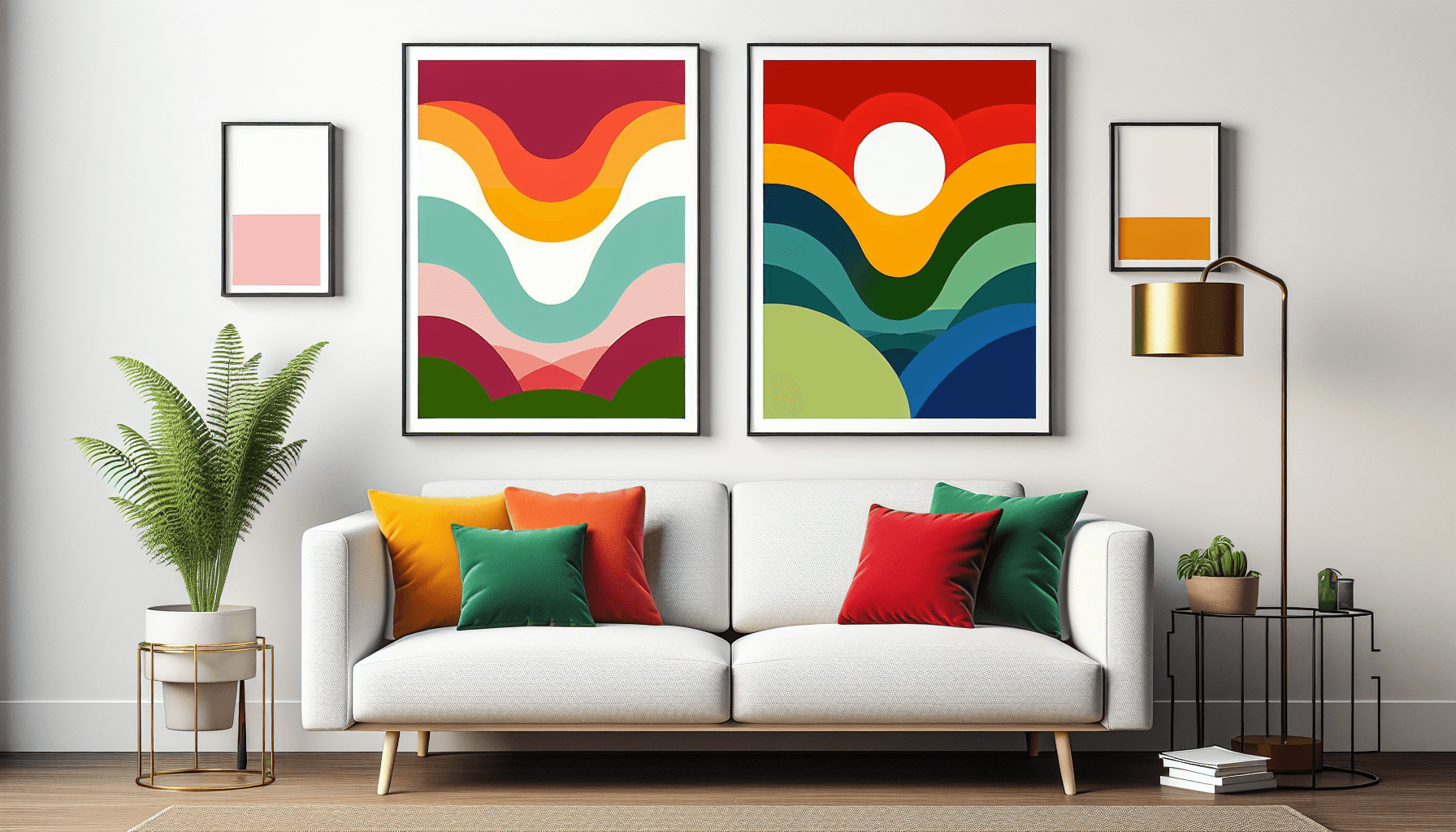
Are you creative and interested in home decor? Starting a home decor business could be a fantastic idea! With low startup costs and an expanding market, there are numerous ways to showcase your style and earn income. From kitchenware and wall art to upcycled furniture, this article will examine various startup ideas you can craft from home. Whether you’re looking to sell online or within your community, there’s a unique opportunity ready for you.
Exploring Startup Business Ideas for Home Decor
Entrepreneurs can explore innovative strategies by focusing on eco-friendly materials and designs in their home decor business. This includes creating distinctive items made from sustainable resources for products like linens and kitchenware, appealing to the target audience’s growing preference for quality products.
Customized wall art solutions can cater to consumer preferences by allowing customers to select colors, themes, and personal styles, thus enhancing their home decorating experiencewhile establishing a strong brand identity. Startups could also incorporate augmented reality technology to offer virtual design services and e-design options, enabling clients to visualize how decor would look in their spaces. This tech approach could significantly enhance customer experience and set businesses apart in a competitive market.
Additionally, conducting thorough market research helps identify trends and tools that resonate with potential clients, fostering effective online presence through e-commerce platforms and social media marketing. By emphasizing creativity and taking advantage of wholesale rates for high-quality products, these small businesses can thrive and effectively engage new couples or other demographics interested in home staging and event decor services.
Unique Home Decoration Concepts
Vintage and Antique Furniture Sales
Marketing vintage and antique furniture effectively involves understanding consumer preferences and implementing strategies that highlight the unique character of each piece. Building a strong online presence through e-commerce platforms and social media allows sellers to showcase quality products and distinctive items to their target audience.
Establishing authenticity and provenance is important; sellers can provide documentation, such as receipts or appraisals, to assure buyers of the furniture’s history and quality. Pricing should reflect market research and trends, ensuring competitiveness while still allowing for profitable margins. Offering wholesale rates for bulk purchases or creating appealing bundles can attract new couples and small businesses looking for unique, high-quality pieces. Incorporating a business plan that aligns with creativity and expertise in interior decorating will enhance the overall customer experience.
Sellers can also explore virtual design services like e-design to help clients visualize how these vintage finds might fit into their personal style, integrating elements like feng shui or design principles. This combination of strategies enables an entrepreneur to stand out in the growing home decor market.
Customized Wall Art Solutions
Factors influencing a customer’s choice in selecting personalized wall art for home decor include individual taste and product quality. Shoppers seek items that resonate with their interests and express creativity while staying aligned with current trends. Conducting market research enables businesses to grasp consumer preferences and create standout products.
To improve their offerings, companies can gather feedback through surveys and social media, identifying what customers value and refining their product range. Personalized wall art can be customized to reflect individual client preferences by incorporating elements like feng shui principles or specific color schemes that complement the client’s space. By employing techniques such as screen printing and e-design, businesses can deliver unique items that captivate their target audience.
A robust online presence paired with e-commerce platforms enhances the customer experience, simplifying the process of finding and ordering personalized art. A well-thought-out business strategy helps entrepreneurs stay competitive by offering top-notch products at wholesale prices, paving the way for a successful venture in the expanding home decorating market.
Eco-Friendly Home Decor Items
Eco-friendly home decor items often use materials like reclaimed wood, bamboo, and organic fabrics. These materials support sustainability by reducing waste and minimizing environmental impact. Consumers can identify genuine eco-friendly products by looking for certifications, reading labels, and seeking out transparent brands. This helps them understand the materials and production methods used, ensuring quality products that align with their values.
Eco-friendly decor enhances a living space’s aesthetic appeal with unique, distinctive items that reflect personal style.
Additionally, incorporating elements like feng shui principles can create harmonious environments, boosting the overall well-being of inhabitants. Small businesses specializing in home decorating can offer creativity and expertise in providing such items. By tapping into e-commerce platforms and a strong online presence, entrepreneurs can connect with their target audience effectively. They can use social media to showcase trends in eco-friendly interior design and share their business strategy for success. With thoughtful product selection and a solid business plan, they can create a profitable venture while addressing consumer preferences for sustainable living.
Startup Business Ideas Decor: Targeting Niche Markets
Minimalist Design Shops
Minimalist Design Shops emphasize simple yet stylish home decor items with clean lines and functional design. They offer distinctive products like quality linens, furniture, and decor pieces that embody personal style while aligning with trends in interior decorating. To attract their audience, these shops often showcase their brand identity through a strong online presence and engage customers via social media to express their design philosophy.
By conducting market research, they gain insights into consumer preferences, crafting strategies that resonate with their customers’ values. This approach helps them stand out in a competitive home decor market. They can differentiate themselves by offering high-quality products, unique e-design services, and personalized shopping experiences, such as DIY home decor kits. Entrepreneurs can enhance their appeal by providing unique floral design options or incorporating feng shui principles in their offerings.
Focusing on quality and creativity, these shops may explore wholesale rates for small businesses and build relationships with online stores to expand their reach.
Culturally Inspired Home Accessories
Incorporating culturally inspired home accessories can enhance the aesthetic of a living space by adding unique textures, colors, and narratives. For instance, decorative items featuring traditional patterns or motifs can create a warm and inviting atmosphere. The authenticity and cultural significance of these accessories come from their origins, craftsmanship, and the stories they tell, which can be determined through thorough market research and knowledge of different cultures.
Entrepreneurscan effectively market these items by establishing a strong online presence through social media and e-commerce platforms, showcasing their creativity and personal style. Tailoring the product selection to appeal to various consumer preferences can provide a competitive edge, especially when launching a home decor business that focuses on quality products.
Engaging target audiences, such as new couples looking to decorate their homes, becomes possible with effective business strategies that highlight distinctive items. Offering unique event decor services or floral design options can also attract attention. Competitive pricing can help manage costs while ensuring high-quality products, enabling small businesses to thrive in the interior decorating market.
Interior Decor Services
Freelance Interior Decorating
Freelance interior decorating requires a variety of skills and qualifications for success. Interior decorators must possess creativity, design expertise, and an understanding of current trends. They often conduct market research to grasp consumer preferences for quality products. A well-structured business plan improves their targeting of potential clients. To promote their services, decorators can establish a strong online presence through social media and e-commerce platforms.
This exposure enables them to offer unique items like floral designs and DIY home decor kits, appealing to newlyweds and small businesses.
Additionally, considering virtual design services or e-design can attract clients who prefer online interactions. Challenges include managing diverse projects and ensuring customer satisfaction meets expectations. Strategies such as maintaining a competitive edge with high-quality products and personalized business approaches can help navigate these challenges. Building relationships with wholesale suppliers for materials can also alleviate financial pressures. By employing effective marketing techniques and staying updated on trends, freelance interior decorators can flourish and differentiate themselves in this lucrative field.
Specialized Interior Decorating Course Offerings
Participants in the Specialized Interior Decorating Course Offerings can expect to gain skills in design services, including home staging, floral design, and e-design. These courses provide knowledge on creating a strong online presence, understanding consumer preferences through market research, and developing a solid business plan.
With a focus on beginners and advanced learners, the offerings are designed to build expertise and creativity, ensuring everyone can find a fitting option that meets their needs.
Unique themes covered include feng shui principles for harmonious design and innovative DIY home decor techniques that allow aspiring entrepreneurs to stand out. The courses explore current trends in interior decorating and emphasize product selection to create high-quality, distinctive items for the home decor business. By incorporating strategies to boost brand identity and enhance customer experience, participants will learn to navigate e-commerce platforms effectively.
Additionally, the course highlights social media as a tool for promoting small businesses and engaging a target audience. This comprehensive approach gives participants an advantage in the thriving field of interior design.
E-commerce Opportunities in Home Decoration
Online Marketplaces for Handmade Decor
When shopping for handmade decor on online marketplaces, consumers seek quality products, distinctiveness, and creativity that reflect their personal style. Many platforms cater to various target audiences, enabling small businesses to connect with consumers interested in home decor, like new couples looking to personalize their spaces.
Different online marketplaces may have varied fees, audience reach, and support services; some offer lower fees but limited exposure, while others may charge higher rates yet provide a broader audience and valuable seller support. To stand out, new entrepreneurs in the home decorating niche can conduct market research to understand consumer preferences and trends. Developing a strong online presence through social media and e-commerce platforms is important. Creating a solid business plan, featuring products like floral design or furniture with a feng shui approach, allows makers to showcase their expertise.
Offering unique items at competitive prices,such as DIY home decor kits and event decor services, can enhance the customer experience. Implementing tools for e-design and screen printing can also help sellers effectively market their handmade goods. This strategy supports establishing a brand identity and gaining a competitive edge in the thriving interior decorating market.
Subscription Boxes Featuring Home Decor
Consumers should seek subscription boxes that emphasize quality products and creativity, ensuring the selections reflect their personal style. These boxes often curate distinctive items through careful product selection, featuring items like DIY home decor kits, elegant linens, and floral design elements.
Subscription services cater to diverse tastes by including various themes that align with trends in interior decorating, such as Feng Shui and modern aesthetics, appealing to the target audience of new couples or homeowners. To enhance the home decorating experience, these boxes offer e-design services, allowing consumers to receive tailored advice and inspiration. By providing a strong online presence and engaging with social media, subscription boxes can establish a competitive edge, enhancing the customer experience through convenience and excitement.
Entrepreneurs in the home decor business can capitalize on this model by developing a solid business plan that prioritizes market research, ensuring offerings align with consumer preferences. This profitable venture not only builds brand identity but also provides small businesses with an opportunity to connect with their audience through innovative event decor services and wholesale rates for high-quality products.
Leveraging Technology in Home Decoration Business Ideas
Augmented Reality for Interior Decor Visualization
Augmented reality can significantly improve the customer experience by enabling individuals to visualize home decor concepts within their spaces, simplifying the process of selecting quality products that match their personal style. This technology can assist entrepreneurs in the home decor sector by providing design services like e-design and virtual options, allowing clients to preview their selections in real-time.
To streamline the design process, interior decorators can incorporate augmented reality tools that aid in home staging, enabling clients to see how specific items, such as linens or floral designs, will align with their objectives. However, businesses may encounter challenges such as the need for high-quality augmented reality applications and maintaining a strong online presence. Tackling these challenges might involve investing in market research to grasp consumer preferences and adjusting business strategies accordingly.
Offering unique items at wholesale prices through online platforms can help small businesses differentiate themselves, attract new couples, and enhance customer engagement on social media, contributing to a successful venture in the competitive field of interior decorating.
Mobile Apps for DIY Interior Design
Mobile apps for DIY interior design provide features such as virtual design services and e-design tools that enable users to visualize their spaces. These apps allow individuals to experiment with colors and layouts, assisting them in choosing quality products that align with their personal style while considering current trends.
Many include templates for home staging and event decor, simplifying the process for small businesses and entrepreneurs to differentiate themselves in a competitive market. Various options suit different styles, from feng shui to modern decor, enabling users to tailor their home decoration experience. Some apps integrate easily with social media, allowing users to promote their projects and build a strong online presence. This enhances brand identity and improves audience reach. Users can also access wholesale prices for unique items, broadening their product selection while managing expenses.
Furthermore, tools for market research help evaluate consumer preferences, providing users with an advantage when planning their interior decorating business or any DIY undertaking.





