
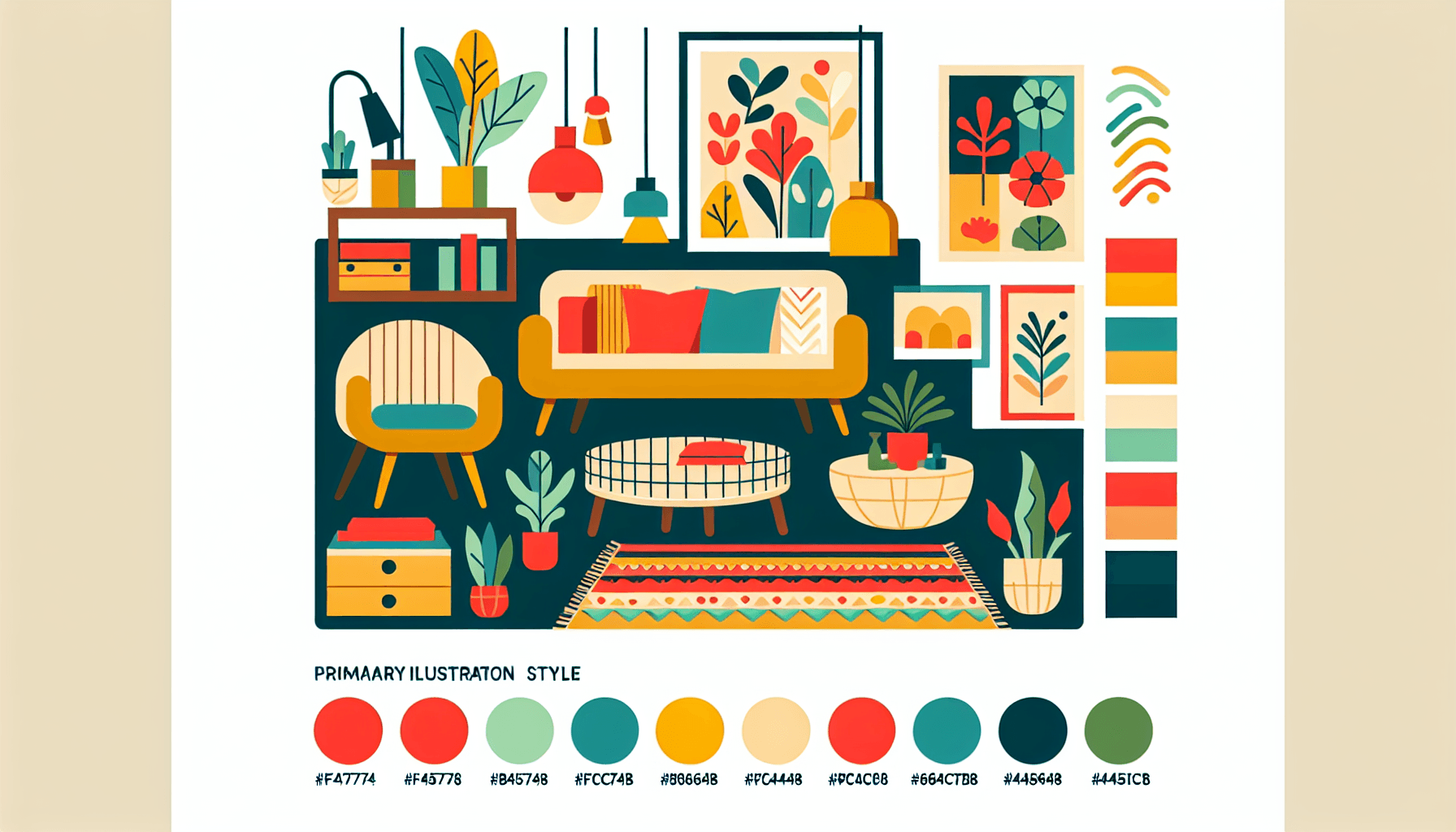
Are you considering starting your own interior design business? With numerous creative opportunities available, you can discover a niche that aligns with your style. From home staging to e-design, the options are engaging and varied. As you look into these possibilities, having the right training and a solid business plan is significant. Understand how to establish your presence in this expanding market and transform your passion for design into a successful career.
Understanding the Interior Design Market
Trends shaping the interior design market include the rise of e-design and virtual design services, enabling clients to access creative ideas from anywhere. Home staging is becoming more significant as homeowners aim to sell properties quickly, prompting business owners to focus on this area for sales and referrals. Economic factors, such as revenue growth in the corporate sector, affect demand for services like feng shui consulting and garden design.
Increased spending on home improvement reflects a desire for comfort and style, influencing design choices and popular color combinations like cool tones and vibrant hues. Demographic shifts, particularly younger homeowners valuing sustainability, are diversifying design qualifications and niche business ideas like floral design and color consulting. Aspiring designers can gain an advantage by creating an impressive interior design portfolio and using social media for marketing.
By stepping outside of their comfort zone and showcasing their expertise through blogging, they enhance their confidence and attract potential clients. Hard work and strategic direction in managing an interior decorating business are important for success and profit in this dynamic market.
Startup Business Ideas in Interiors
Home Staging Services
Home staging companies offer various interior design services to enhance a property’s appeal and help it sell faster. They provide creative design solutions, such as arranging furniture for optimal flow, showcasing color combinations that attract buyers, and using cool tones to create a welcoming atmosphere. By incorporating floral design and focusing on comfort, home stagers help clients visualize their future in the space, enhancing both emotional connection and marketability.
This level of design work can greatly impact sales, often leading to increased revenue for sellers. Homes that are well-staged frequently sell for higher prices and in less time, giving home sellers and real estate agents a competitive advantage. Notable trends include embracing virtual design services, which allow homeowners to explore design ideas from the comfort of their own homes, and highlighting current color trends to appeal to buyers’ tastes.
As business owners, home stagers leverage social media and blogging to attract clients, build a strong design portfolio, and gain referrals, positioning themselves for success. Hard work, education, and effective marketing strategies are important for thriving in the corporate sector and establishing a reputable interior decorating business.
Sustainable Interior Design
Sustainable interior design focuses on eco-friendly materials, energy-efficient systems, and mindful practices that enhance living and working spaces. Business owners can adopt principles such as selecting non-toxic paints, recycled materials, and furnishings from reliable suppliers to benefit both the environment and occupants’ health. These choices contribute to comfort and well-being while appealing to clients who prioritize sustainability.
For instance, color trends featuring cool tones cancreate tranquil spaces, whereas floral designs can introduce natural elements indoors. Understanding responsible sourcing can inspire creative decisions that enhance a project’s lifecycle.
Virtual Interior Design Consultations
Virtual interior design consultations allow clients to engage from their homes, saving travel time and increasing access to designers, especially for specialized services like feng shui. Designers can communicate efficiently via video calls, reviewing ideas and color schemes together. Tools such as 3D modeling software and shared documents aid in visualizing projects and streamlining decisions.
It’s important for designers to leverage social media to showcase their work, which can lead to referrals and new clients. Writing about design ideas and color trends can boost visibility. Educating themselves can enhance designers’ confidence in making creative choices, while e-design services accommodate different budgets. By offering virtual design options, designers can differentiate themselves and tap into a growing market, supporting revenue growth and helping them transition from a side project to a thriving business.
The right technology can significantly elevate the effectiveness of these consultations, contributing to a robust design portfolio.
Interior Decorating Courses
Individuals enrolling in an interior decorating course can expect to gain skills in creative decisions, color combinations, and current color trends. They learn about feng shui, design, floral design, and the basics of creating a strong interior design portfolio. Courses may vary, with some focusing on home staging, while others emphasize e-design and virtual design services, helping business owners carve out their niche.
Graduates can pursue various career paths, such as color consultants, event decor services, or even working in the corporate sector, where their design expertise enhances office spaces. Interior designers can differentiate themselves through blogging, using social media for marketing, and building a referral network to increase sales and boost revenue. By embracing their passion and stepping out of their comfort zone, aspiring decorators can achieve success.
The hard work put into their education and the strategic direction of their interior decorating business will provide an advantage, leading to profits and fulfilling client relationships, such as offering gift cards and special promotions.
Specialized Interior Design for Small Spaces
Specialized interior design techniques can significantly improve functionality and aesthetic appeal in small spaces. By employing creative ideas, designers optimize layouts to create a sense of openness. They may use cool tones or vibrant color combinations to make areas feel larger and more welcoming. Designers often encounter challenges like limited space for furniture and decor.
To tackle this, they strategically select multi-functional pieces and employ virtual design services to visualize layouts. Innovative storage solutions, such as under-bed drawers or built-in shelves, not only save space but also contribute to an organized look. This enhances comfort and organization, which clients greatly appreciate.
Eco-Friendly Furniture and Decor
Eco-friendly furniture and decor often incorporates sustainable materials like reclaimed wood, bamboo, and recycled metal, contributing to a greener planet. These choices help reduce waste and support the recycling economy. Using such materials in an interior design project enhances aesthetics while improving overall sustainability, positively impacting clients’ well-being. Integrating eco-friendly elements into design work may attract more referrals, boosting revenue.
Business owners in the interior decorating field can take advantage of this trend, applying their expertise in color combinations and design skills to create calming spaces featuring cool tones; for those looking for specialized help in California, working with a Sacramento interior designer can bring local knowledge and professional execution.
Certifications like FSC (Forest Stewardship Council) and Greenguard help consumers identify products that meet eco-friendly standards. This dedication builds credibility and demonstrates a commitment to market demands.
Blogging about these eco-friendly interior design ideas can enhance a designer’s portfolio and showcase their passion and effort, while social media can effectively share their creative choices. By prioritizing eco-friendly options, designers can differentiate themselves and gain a competitive edge, establishing a successful and fulfilling interior design business.
Tips for Starting Your Own Business
Identify Your Niche
Each business owner in the interior decorating field should recognize their unique strengths to stand out. For instance, someone passionate about color trends might focus on color combinations as a consultant. They could target corporate clients looking for design ideas that enhance comfort and productivity. By offering e-design and virtual services, they can assist clients who prefer remote help.
Differentiation may arise from creative design skills or specialized offerings like home staging and floral design. Highlighting expertise in feng shui could attract those seeking harmonious living spaces. Engaging on social media, maintaining a strong portfolio, and blogging can effectively promote these distinctive offerings. Unique gift card options and reliable referral systems will support increased sales, build credibility, and create consistent revenue.
By stepping outside their comfort zone and embracing innovative design work, they can harness their creativity and effort to achieve success while gaining confidence in their strategic direction.
Craft a Business Plan
A thorough business plan for an interior decorating business should encompass a detailed analysis of offerings such as home staging, feng shui, and floral design, illustrating how these services address clients’ needs. The owner should highlight their education and design qualifications to build trust with potential clients and gain a competitive edge.
A clear financial projection outline can set realistic revenue targets and funding strategies, ensuring the business remains sustainable while generating profits. Identifying revenue sources from services like e-design and event decor can assist the owner in financial management. The marketing section should articulate strategies for engaging on social media, displaying an interior design portfolio, and employing blogging for exposure. Building a referral network and exploring distinctive designer business ideas is also important. Incorporating color trends and innovative interior design concepts can attract a wide range of clients.
Through dedication and strategic planning, an owner can effectively grow their client base and boost sales while embracing new challenges.
Build a Portfolio
Including a variety of projects in an interior design portfolio can showcase an individual’s unique style and skills. Projects might encompass home staging, floral design, or innovative interior designs that feature cool tones and unique color combinations. Presenting the portfolio with high-quality images and engaging descriptions can attract potential clients and demonstrate professionalism.
Each project should reflect successful design work that offers comfort and meets client needs, providing a competitive edge. Engaging with social media platforms and blogging can enhance visibility and allow for showcasing interior design ideas, while e-design services can feature virtual design work. Referrals from previous clients can add credibility and trustworthiness. Incorporating elements from feng shui or garden design can further distinguish the portfolio.
A well-organized interior design portfolio, combined with consistent marketing efforts, will establish expertise and help business owners stand out. Emphasizing education and achieving design qualifications will boost confidence and increase revenue, transforming a side hustle into a successful interior decorating business.
Network with Other Interior Decorators
Connecting with other interior designers can enhance collaboration and spark creativity in the interior decorating business. By exchanging ideas about color trends and unique design work, decorators can gain fresh inspiration for their projects. Strategies to effectively network include attending industry events, participating in online forums, and engaging on social media platforms. Joining webinars or local workshops can further build relationships within the community.
Such connections oftenlead to increased referrals, as established decorators may share client leads with emerging business owners. This dynamic can drive revenue growth and provide mentorship opportunities that help build confidence. Engaging in blogging about interior design ideas and sharing a portfolio of work can also help a decorator stand out.
Offering services like e-design and home staging can attract potential clients, while collaborating on floral design or event decor services can showcase expertise and expand resources. All these efforts combined not only boost success but also create lasting friendships that enhance the interior decorating business’s future direction.
Utilizing Creative Interior Design Ideas
Individuals starting an interior decorating business can improve their projects by embracing creative interior design ideas like feng shui principles and unique color combinations. Incorporating elements like cool tones and floral design helps create spaces that reflect clients’ personalities, making the design work personal.
Additionally, experimenting with unconventional materials, such as reclaimed wood or upcycled items, leads to imaginative layouts that enhance comfort and functionality. This not only helps a designer stand out but also enriches their portfolio with innovative examples. Engaging with social media platforms for blogging about color trends and creative decisions can showcase expertise, attracting referrals from satisfied clients. Including virtual design services or e-design allows clients to feel involved, boosting their confidence in the designer’s capabilities. Hard work and strategic marketing will enhance revenue, establishing a solid foundation for success.
This exploration of design services can assist any aspiring interior designer in making smart sales and developing a competitive edge in their field.
Marketing Strategies for Your Interior Design Business
Creating an effective marketing strategy for an interior decorating business involves various online tactics to reach clients and showcase unique styles. Engaging on social media is important; platforms allow business owners to share creative interior design ideas, behind-the-scenes work, and completed projects, boosting brand awareness. By posting vibrant images of home staging, floral design, and color combinations, designers can stand out and attract clients.
Blogging about color trends and e-design can demonstrate expertise while content marketing draws in potential customers. Offering virtual design services can meet diverse client needs. Sharing testimonials and referrals from satisfied clients can enhance credibility, driving sales and revenue. Educational content, like tips on feng shui or design principles, builds confidence in expertise. A well-crafted interior design portfolio displayed online engages visitors, reflecting creativity and decisions that resonate emotionally.
Gift cards for design services also provide added value. By combining hard work with strategic direction, a designer can elevate their business and maintain a competitive edge, turning their passion into profit.
Understanding Client Needs in Interior Decorating
Understanding a client’s specific goals and preferences for their interior space is fundamental to a successful interior decorating business. These elements should reflect their lifestyle and personality. A business owner can explore interior design ideas that align with client passions, such as color combinations featuring cool tones or floral design. The client’s budget, timeline, and aesthetic desires guide the project scope, making budgeting a significant factor for creative decisions.
Effective communication is important; interior designers should encourage clients to share their ideas and provide feedback on drafts, fostering confidence in the collaboration process. Marketing strategies, including social media, can showcase the designer’s expertise and work, such as home staging and event decor services, enhancing visibility and attracting referrals. Education and design qualifications improve the designer’s creative abilities, helping them stand out in a competitive market.
By offering services like feng shui consultation and e-design, they create a diverse portfolio that appeals to various clients. The hard work and strategic direction taken can yield increased revenue, providing the business owner an advantage in the corporate sector or among individual clients.
Financial Considerations for Interior Design Startups
Aspiring business owners in the interior decorating field should prepare for initial costs between $15,000 and $20,000, which will cover design qualifications, equipment, and marketing efforts. To keep finances on track, new interior designers can manage cash flow by carefully monitoring expenses and ensuring clients pay on time. Establishing a solid portfolio and securing referrals can boost sales by drawing in more clients.
Strategies for increasing profit include offering a range of interiordesign services, such as home staging and e-design, while reducing expenses through wise purchasing choices and using social media for marketing. Engaging in blogging can highlight expertise and inspire inventive interior design concepts, while trending colors can resonate with clients looking for aesthetic comfort. Creativity should shine through in every design to distinguish oneself in a competitive market.
Additionally, considering opportunities in event decor or floral design can enhance earnings. Passion and diligence during the side hustle phase often lead to growth, giving designers the confidence to step beyond their comfort zones and achieve success.





