

In business model analysis, we often look for blue oceans, untapped markets where competition is irrelevant. In the digital lives of modern families and entrepreneurs, a surprising blue ocean has emerged: not in building new apps, but in rethinking how we access the existing suite of tools we already need. The proliferation of essential subscriptions for productivity, creativity, entertainment, and communication has created a new pain point: subscription sprawl. This isn’t just a household annoyance; it’s an inefficiency that drains resources from more strategic investments.
For the strategic thinker, whether managing a family budget or the operational costs of a small venture, this presents a clear problem statement. The traditional model of individual, siloed subscriptions is a high-cost, low-efficiency system. The emerging solution is a shift towards a collaborative consumption model for software, applying the logic of a shared “family plan” beyond music to encompass the entire digital toolkit.
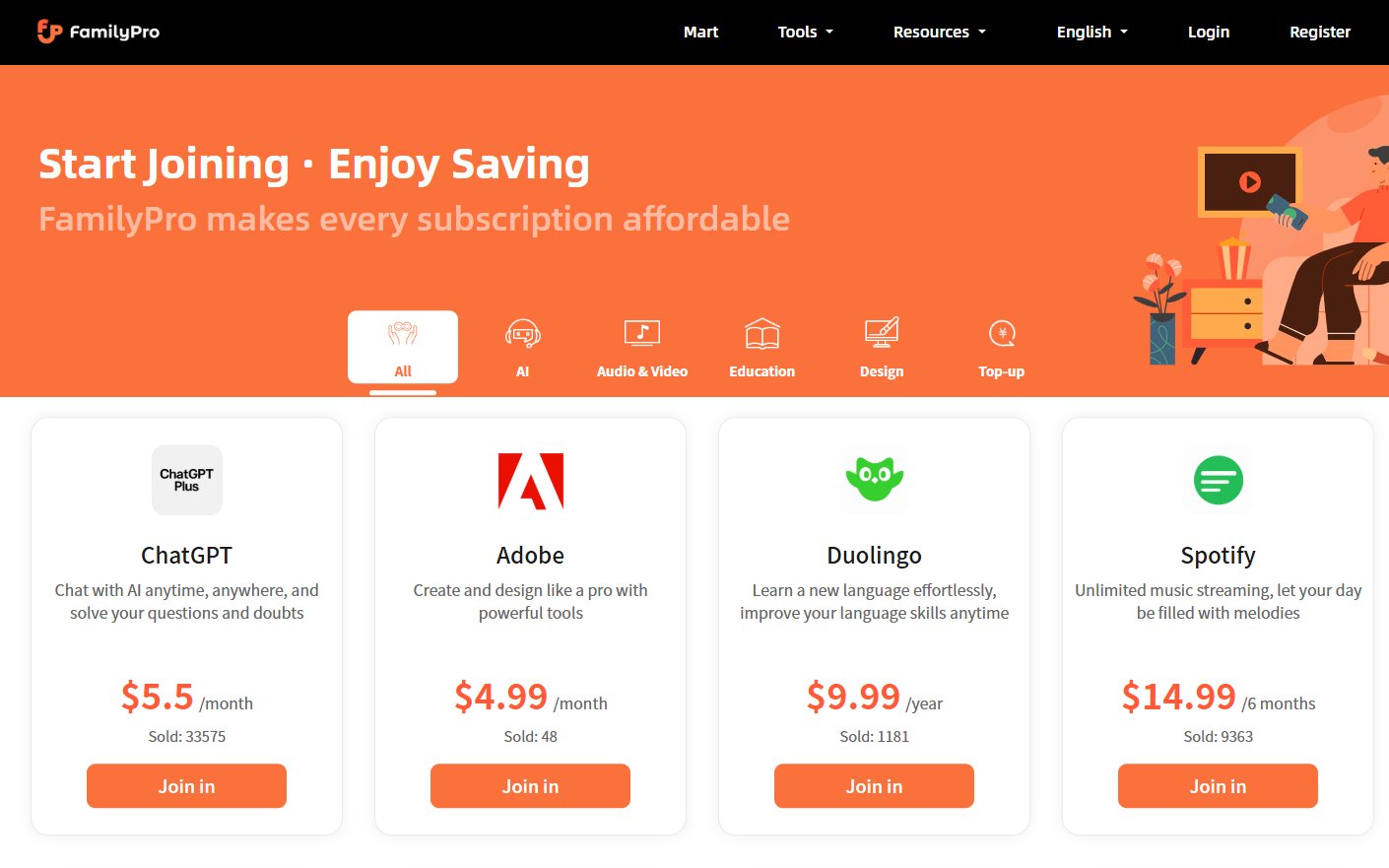
De-risking the Digital Overhead: The Bundle as a Strategic Model
The value proposition is rooted in basic economic principles: bulk access reduces per-unit cost. A platform that consolidates and shares licenses for a portfolio of premium services from AI assistants and design software to streaming and utilities effectively creates a digital cooperative. It transforms fixed, high-cost overhead into a variable, shared cost structure.
This model does more than save money; it de-risks experimentation and upskilling. The barrier to trying a new AI writing tool or professional image editor plummets when access is already included in an existing bundle. This is where functionality like an improve Image quality tool becomes strategically interesting. It’s not just a utility; within a bundle, it represents low-risk access to a capability that can enhance presentations, marketing materials, or product visuals without the commitment of a standalone professional subscription. It turns a capital expense into an operational one.
Analyzing the Unit Economics: From Cost Center to Value Enabler
For the analytical mind, the true test is in the unit economics. Does the bundled model create tangible net value?
- Cost Avoidance: The most direct metric. Sum the individual retail prices of the services a household or micro-business actually uses. Compare this to the bundled cost. The delta represents pure cost avoidance, freeing capital for allocation elsewhere.
- Option Value: The strategic premium. A bundle provides access to tools you may not use daily but become invaluable for specific projects, such as editing a video, transcribing an interview, or generating a logo. The value of having these options “on the shelf” without individual subscription commitments is significant, though harder to quantify. It enables agility.
- Efficiency Gain: Reducing the cognitive and administrative load of managing multiple bills, renewal dates, and passwords is a real, if soft, efficiency gain. It streamlines a previously fragmented operational process.

The Competitive Moat: Network Effects and Switching Costs
The bundled model, when executed well, can create a mild but effective competitive moat. As the portfolio of shared tools grows and becomes integral to a family’s or team’s workflow, the switching costs of reverting to individual subscriptions become prohibitive. Furthermore, the model relies on and reinforces trust in the platform’s reliability and curation. This trust becomes a key asset.
For the strategist at Vizologi, this shift is a fascinating case study in market adaptation. It’s a response to a clear market failure: the inefficiency of individual access in a world of collaborative needs. The bundle isn’t merely a product; it’s a re-engineered delivery model that optimizes for access over ownership, collaboration over isolation, and strategic flexibility over rigid cost structure. It represents a pragmatic, value-driven solution to one of the most pervasive operational costs of modern digital life.




