AI writing tools have become genuinely useful for students. Platforms like Vizologi generate business model canvases and competitive frameworks in minutes. ChatGPT and Claude handle brainstorming, roadmaps, and first-pass drafts faster than any human writer could. For that kind of structured output, AI is hard to argue with.
But for graded written assignments, the comparison shifts. Human writers and AI tools solve different problems – and picking the wrong one costs time, grades, or both. Here’s how they actually stack up across the tasks students deal with most.
1. Vizologi: Business Frameworks and Roadmaps
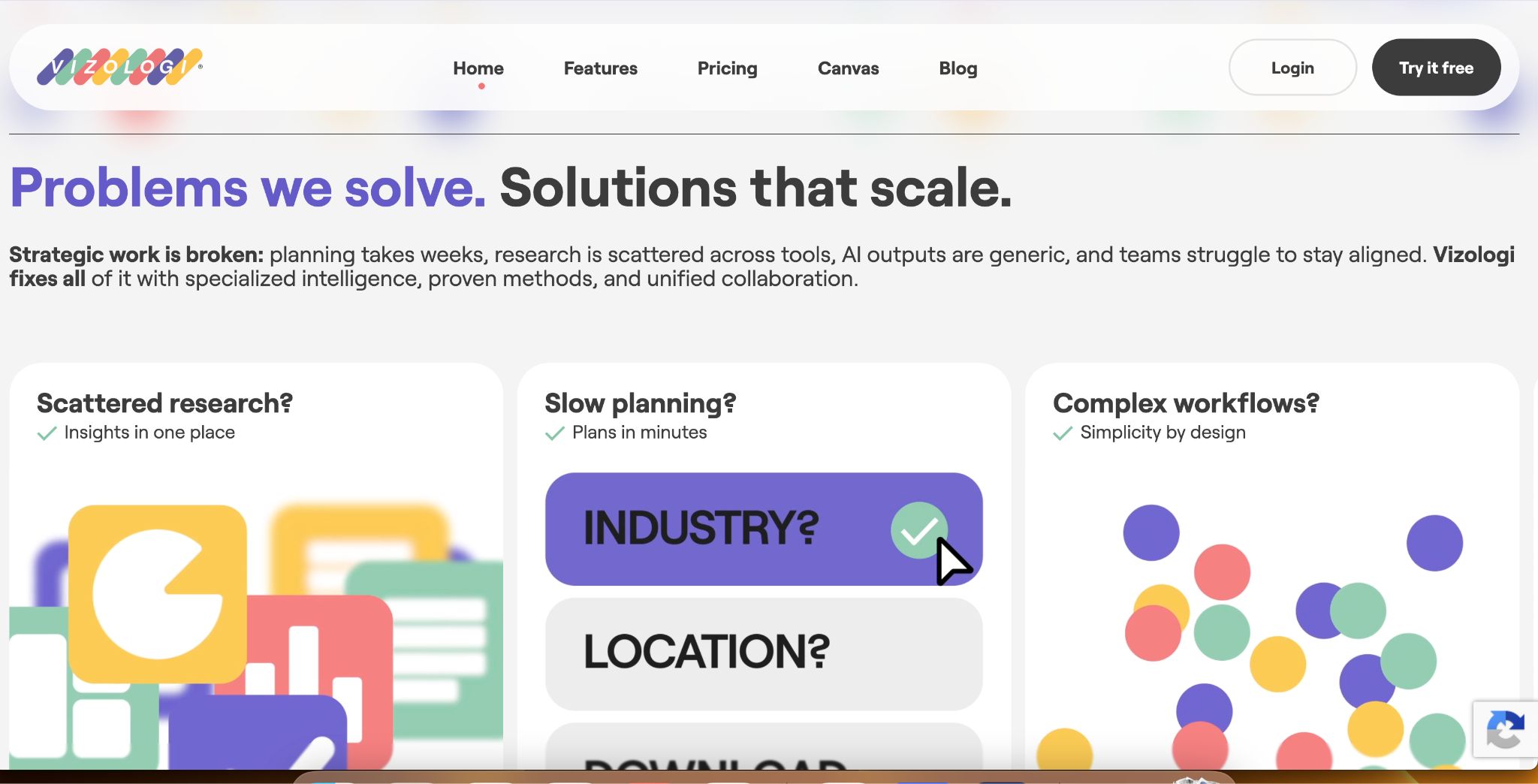
Vizologi is built specifically for structured business analysis. Feed it a company or idea and it returns a business model canvas, competitive landscape, and strategic breakdown without requiring much input. For strategy courses, startup assignments, or any task centered on frameworks rather than argument, it’s faster and more comprehensive than starting from scratch.
Output is easy to iterate – regenerate a section, adjust the angle, try a different market. The platform’s mash-up feature also combines business models from different industries to surface ideas that wouldn’t come up in a standard brainstorm.
Where Vizologi works best:
- Business model canvas generation from a company name or concept
- Competitive landscape mapping across an industry
- SWOT and PESTLE frameworks for strategy assignments
- Startup ideation and market positioning exercises
- Product roadmap structure for business development courses
2. PapersOwl: Writing With a Grade Attached
A graded writing requires a clear argument, structured paragraphs, and a conclusion that genuinely responds to the prompt. AI covers topics rather than argues them – and faculty notice the difference. The logic has to hold from sentence to sentence, not just the formatting.
When a deadline is close, and the prompt is complex, some students look for a reference point – a model that shows how a strong academic argument actually gets built. Others on a tight timeline decide to pay for homework writing guidance and use the result to calibrate their own approach. Reliable quality here means a thesis that holds under scrutiny, not just clean prose. The writer has handled that assignment type before, and that experience shows in how the paper moves from point to point.
Human writers also adapt to what the course actually expects. If an instructor weighs certain elements heavily or has a specific style in mind, that gets factored in. AI generates a general standard – which works fine for low-stakes tasks, but not when the person grading knows exactly what a strong answer looks like.
3. ChatGPT: Discussion Posts and Low-Stakes Drafts
Discussion board responses, reading summaries, and informal reflections are where AI performs best. The format is flexible, speed matters, and precision is secondary. Running a prompt through ChatGPT and spending ten minutes editing the output is a reasonable approach for this category.
Raw AI output has a recognizable rhythm – uniform sentence length, smooth transitions, no real point of view. A quick edit fixes most of that and makes the result usable.
4. EduBirdie: Marketing Assignments
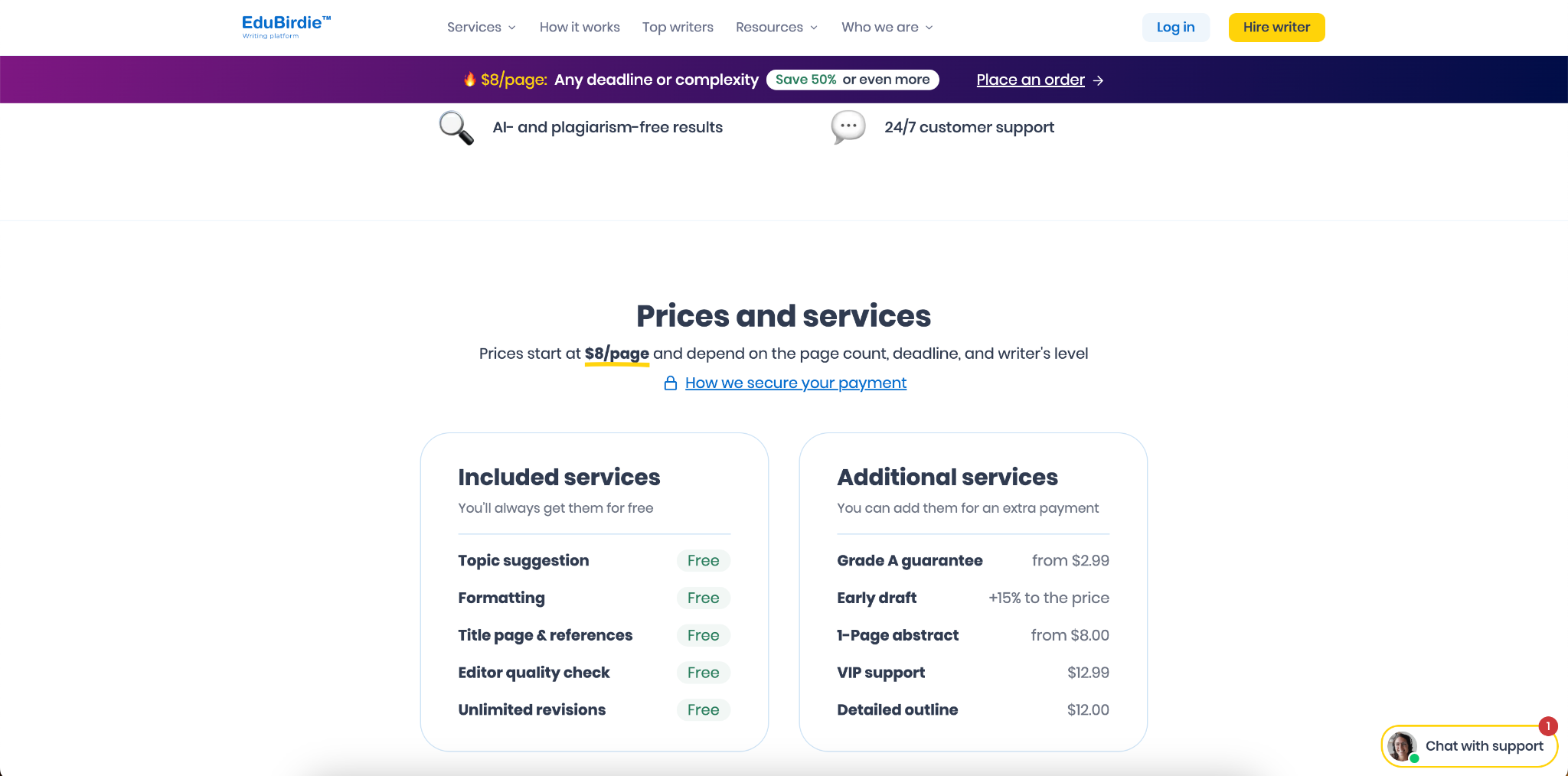
Marketing courses require students to connect theory to real campaigns and cite academic sources accurately. Consumer behavior models, positioning frameworks, the extended marketing mix applied to specific cases – AI applies these loosely and regularly hallucinates citations.
Students working on a sourced marketing paper who want a properly structured example sometimes look for marketing assignment help through EduBirdie. The writers specialize by subject, which matters when the assignment requires correctly applied theory rather than a general overview. That difference is visible in how citations are used and how frameworks connect to the actual case.
5. PapersOwl, EduBirdie: Anything Going Through Turnitin
AI-generated text is increasingly detectable. Turnitin, ZeroGPT, and Originality.ai have all updated their models significantly in the past year. A flagged submission creates a problem that takes far longer to resolve than the original assignment.
Human-written work from PapersOwl or EduBirdie doesn’t carry that risk. Original content reads as original – which is the baseline requirement for anything submitted for a grade.
Quick Comparison
| Task | Best option | Why |
| Business frameworks | Vizologi | Speed and structure |
| Graded writing | PapersOwl | Argument quality |
| Discussion posts | ChatGPT | Speed, low stakes |
| Marketing assignments | EduBirdie | Sourcing, theory |
| Turnitin submissions | PapersOwl, EduBirdie | Originality |
Neither side dominates across all tasks. AI is faster for structured frameworks and low-stakes output. Human writers from PapersOwl and EduBirdie are more reliable when argument quality, accurate sourcing, and originality actually matter. Most students end up using both – AI for the planning stage, and human support for what gets submitted. The tool matters less than knowing which one fits the task.
Final Thoughts
The honest answer is that this isn’t a competition. Vizologi is genuinely strong for frameworks, roadmaps, and brainstorming tasks where speed and structure matter more than original argument. PapersOwl and EduBirdie handle graded written work, where logic, sourcing, and originality are what’s actually being evaluated.
Business students who treat these as complementary rather than competing tools tend to get more out of both. Use AI to think. Use human writers for formatting, and your own thinking to submit. That division is where the real efficiency comes from.