
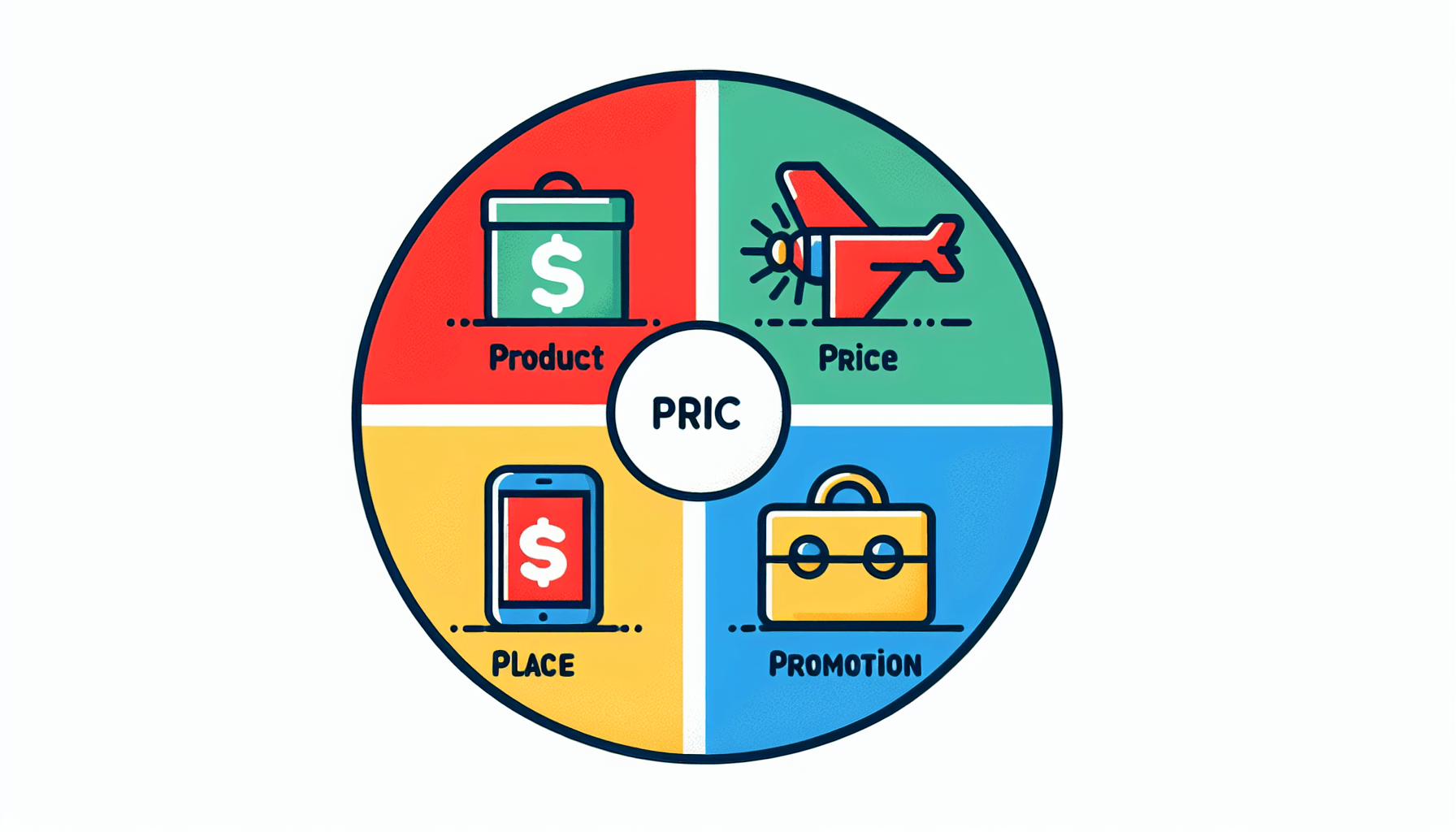
Nike stands as a major force in sportswear, recognized for its shoes, clothing, and gear. To maintain its position, Nike employs a marketing strategy known as the 4 P’s: Product, Price, Place, and Promotion. Each component aids the company in attracting customers and expanding its business. This article will examine how these elements collaborate to establish Nike as a leading brand in sportswear.
Understanding Nike’s Marketing Mix

Nike’s product strategy reflects a commitment to innovation by offering a wide variety of athletic footwear and apparel, including popular designs like the Nike Air Jordan. The product mix includes specialized equipment and accessories for various sports, ensuring it meets the diverse needs of its target market. Its pricing strategy combines premium pricing with value-based pricing, reinforcing its brand image while attracting different customer segments.
Seasonal discounts are also offered, making products more accessible during certain times of the year. In terms of placement strategy, Nike employs diverse distribution tactics through Niketown retail outlets, online stores, and partnerships with retail stores. This enhances its global retail presence and adapts to the growth of e-commerce. Nike engages its customer base effectively through digital platforms and social media, allowing for dynamic pricing strategies that respond quickly to market demands.
What are Nike’s 4 P’s?
Product Strategy
Nike emphasizes innovation in its product strategy by consistently enhancing its offerings, which include athletic footwear, apparel, and sports equipment. The brand invests in research and development to create distinctive designs, like the Nike Air Jordan, ensuring its products meet the changing demands of its varied customer base.
Nike customizes its shoes and apparel for different target markets, including various sports teams and individual athletes, ensuring that products resonate with customers of all ages and interests. Its premium branding supports a pricing strategy that often employs value-based pricing, positioning its products at a higher price point to reinforce quality and advanced technology. The promotional strategy aligns with this by crafting compelling narratives through advertisements and social media that engage customers emotionally.
The company’s distribution strategy includes retail outlets like Niketown and digital platforms for convenient access, balancing physical and online experiences to effectively reach consumers. Together, these marketing strategies foster a strong brand image, driving growth and building loyalty in a competitive sportswear industry.
Innovation in Footwear
Nike’s product strategy focuses on using advanced materials and technology to enhance performance and sustainability in athletic footwear. This involves innovative designs and eco-friendly materials that meet customers’ desires for both quality and environmental responsibility. By incorporating design thinking into their process, Nike influences consumer preferences, demonstrating how well-designed shoes can boost athletic performance while being stylish.
The company also actively seeks consumer feedback to guide its innovation efforts. Using tactics like surveys and online community discussions allows Nike to adapt its products based on insights from its customer base. This feedback loop is important for developing cutting-edge footwear, as seen in popular lines like the Air Jordan. Nike’s premium pricing reflects the value of these advanced features and strengthens its brand image in the competitive sportswear industry.
With a placement strategy that includes Niketown retail outlets and online platforms, Nike ensures easy access to its innovative products, further driving growth and attracting various target markets through both e-commerce and physical retail venues.
Apparel and Equipment Offerings
Nike offers a wide range of apparel and equipment designed to meet the diverse needs of athletes and consumers. This includes athletic footwear, like the popular Air Jordan line, sports equipment, and stylish athletic apparel. The company’s product mix caters to various sports, ensuring its offerings appeal to a broad customer base. Nike integrates innovation and technology, using advanced materials and designs in its product strategy to enhance performance for serious athletes.
For example, its shoes often feature technologies that provide better support and comfort. To align with market trends and consumer preferences, Nike employs dynamic pricing strategies, incorporating both premium pricing and value-based pricing to attract different target markets. The company effectively engages with customers through social media and online platforms, sharing updates about new products that cater to sports teams and individual athletes.
Their distribution strategy includes retail stores, such as Niketown outlets, and online shops, ensuring easy access and visibility for consumers throughout the sportswear sector.
Pricing Strategy
Nike establishes the perceived value of its products through premium pricing strategies, which highlight superior quality, innovative designs, and brand image. By offering athletic footwear and apparel, such as the Nike Air Jordan, at a higher price point, Nike reinforces its position in the sportswear industry while targeting specific customer segments.
Discounts and promotional offers are part of Nike’s promotional strategy, effectively aimed at boosting sales in various retail outlets and online stores. These tactics can create urgency among customers, encouraging them to purchase before promotions end. Market segmentation shapes pricing strategies, as Nike considers the different needs of its diverse customer base when setting prices for sporting goods and equipment. The company adapts its pricing for specific product categories, employing dynamic pricing to remain competitive while offering value-based pricing for budget-conscious consumers.
Premium Pricing
Nike employs premium pricing to effectively position its products in the market. By setting higher prices on its footwear and sports equipment, the brand reinforces its image of quality and innovation. This pricing approach attracts customers looking for high-end branding, making the Nike Air Jordan and other athletic footwear desirable among consumers. Premium pricing positively impacts brand perception, as customers often associate higher prices with superior quality.
This perception enhancesthe brand image and builds a loyal customer base that seeks stylish products for both performance and lifestyle. This strategy contributes to overall profitability by ensuring higher margins on each product sold.
Additionally, Nike’s placement strategy, including digital platforms and retail outlets like Niketown, helps maintain control over pricing and distribution. By managing its product mix effectively, Nike can respond to competition while sustaining market share in the ever-evolving sportswear sector.
Discounts and Offers
Nike offers various discounts and promotions as part of its marketing strategy to boost sales and attract customers. Seasonal promotions encourage purchases during significant events, like back-to-school or holiday seasons. These promotions may involve discounts on popular items such as athletic footwear, apparel, and sports equipment.
To communicate these offers, Nike employs several tactics, including email campaigns, social media ads, and eye-catching displays in retail locations, particularly at Niketown outlets. The brand engages its customer base by highlighting innovation and premium branding in its promotional approach, ensuring that seasonal offers align with the overall product strategy. Dynamic pricing may also be present on online platforms, where consumers can access exclusive online discounts. Through these tactics, Nike effectively enhances its brand image within the competitive sportswear industry.
Place (Distribution Strategy)
Nike enhances its global retail presence through a carefully crafted distribution strategy, featuring Niketown outlets in prime locations and a combination of online platforms. This method allows customers to conveniently access products like athletic footwear, apparel, and sports equipment. To improve the shopping experience, Nike has modified its e-commerce tactics by incorporating dynamic pricing and user-friendly online store features.
This flexibility boosts online sales while addressing the preferences of its varied target audience.
Additionally, partnerships with third-party retailers broaden Nike’s outreach, enabling the brand to connect with new customer segments and boost visibility among different demographics. Collaborating with these retailers improves distribution efficiency, making Nike products more available across various regions. The company’s marketing approach centers around these distribution strategies, harmonizing product, pricing, and promotional tactics to strengthen its brand image and retain a competitive advantage in the sportswear market. Through innovation and strategic analysis, Nike consistently evaluates and refines its distribution practices to align with growth targets.
Global Retail Presence
Nike adjusts its retail strategies with a dynamic pricing approach and innovative product offerings that reflect the cultural preferences of various global markets. This includes a diverse range of athletic footwear, apparel, and equipment that resonates with local tastes. Flagship stores, like Niketown outlets, enhance Nike’s global retail presence by providing engaging experiences where customers can connect with the brand’s story and premium identity.
These venues often feature exclusive products and host events that draw in sports teams and local communities, strengthening the brand image. Technology enhances customer experience, as Nike employs online platforms and social media to engage its diverse customer base. Through innovative marketing strategies, such as interactive displays and personalized shopping encounters, Nike effectively boosts its promotional efforts.
The integration of a well-rounded place strategy, including a mix of retail locations and an online presence, ensures that Nike remains competitive in the sportswear industry while fostering loyalty among target markets. This comprehensive approach supports consistent growth and maintains Nike’s leadership position in athletic footwear and sporting goods.
E-commerce Growth
The rise of e-commerce has notably shaped Nike’s overall sales strategy and customer engagement. By incorporating a strong marketing mix into its business model canvas, the brand effectively reaches its target markets. Nike’s product strategy emphasizes a diverse range of offerings including athletic footwear, apparel, and sports equipment, appealing to customers from various demographics.
The pricing strategy, combining both premium and value-based approaches, reinforces its brand image while accommodating different customer needs. To adjust to e-commerce growth, Nike has expanded its distribution methods, creating an online store alongside its retail outlets and applying dynamic pricing across digital platforms. This distribution strategy enhances convenience for customers shopping for Nike Air Jordan shoes and other sporting goods.
Additionally, Nike’s promotional strategy leverages social media and other methods to engage with sports teams and its customer base, driving brand loyalty and growth. Through innovation and targeted marketing strategies, Nike continues to strengthen its presence in the competitive sportswear industry.
Promotion Strategy
Nike’s promotion strategy encompasses various advertising channels to reach its target markets, such as social media, traditional media, and digital platforms. These channels enable Nike to effectively connect with customers, highlighting its athletic footwear and apparel. Endorsements from prominent athletes and sponsorships of sports teams enhance brand visibility. Such collaborations not only showcase products like Nike Air Jordan but also inspire fans and consumers to engage with the brand.
Measurement of promotional campaign success involves analyzing sales data, customer feedback, and brand awareness metrics, ensuring the marketing mix aligns with business objectives. Tools like mind mapping allow Nike to strategically monitor these factors to control its brand image and adapt its tactics.
The company’s premium pricing and value-based pricing strategies reinforce its standing in the sportswear industry, while retail outlets, including Niketown retail outlets and online stores, support its place strategy. Nike’s innovative product mix of footwear, equipment, and apparel allows it to thrive in a competitive market, concentrating on growth within the sporting goods sector.
Advertising Campaigns
Nike’s advertising campaigns showcase the brand’s core values by emphasizing innovation, empowerment, and performance in sports. Through storytelling and emotional engagement, these campaigns connect with customers who appreciate quality in athletic footwear and apparel. Important aspects for success include a strong promotional strategy featuring high-profile athletes and collaborations, effectively reaching sports enthusiasts.
Each campaign showcases products like Nike Air Jordan footwear and cutting-edge sports equipment, aiming to establish a premium brand image. The distribution strategy promotes these messages across retail stores, online platforms, and social media to enhance visibility at various venues. As consumer trends evolve, Nike’s advertising has adapted, embracing digital platforms and flexible pricing strategies to remain competitive in the sportswear market.
The application of mind mapping tools informs smart marketing mix decisions, ensuring the product mix stays aligned with customer preferences. By continuously evolving its promotional strategies, Nike sustains its growth and re-engages diverse customer bases seeking premium branding in sporting goods.
Endorsements and Sponsorships
Endorsements and sponsorships significantly strengthen Nike’s brand image and shape customer perceptions. Nike effectively reaches diverse target markets by partnering with renowned athletes and sports teams. These alliances often elevate the perception of their footwear and apparel as linked with success and excellence.
For example, endorsers like basketball stars help promote athletic footwear, such as Nike Air Jordans, by connecting with fans and showcasing innovative products.
Nike’s promotional strategies include leveraging social media to amplify these endorsements, allowing the brand to engage with a broader customer base and drive interest in their sporting goods. Sponsoring major sporting events also significantly highlights products, which attracts attention and boosts sales. Nike effectively markets its high-quality athletic footwear and sports equipment with a pricing strategy that includes premium and value-based options.
Retail outlets, including Niketown stores and online platforms, support this growth by providing convenient access for customers. By integrating endorsements and sponsorships into its marketing mix, Nike effectively enhances its brand image and improves sales performance.
Using the 4P’s Template in Nike’s Strategy
Nike applies the 4P’s template—product, price, place, and promotion—to create a strong marketing mix that sets its sportswear apart in a competitive market. The product strategy focuses on a diverse range of athletic footwear, apparel, and sports equipment, including iconic lines like Nike Air Jordan, tailored for various sports and customer needs.
To maintain a premium brand image, Nike follows a price strategy that emphasizes both value-based and premium pricing, reinforcing perceived qualityin the minds of consumers. This approach attracts a broad customer base while keeping brand loyalty strong. In terms of distribution, Nike effectively combines retail outlets, such as Niketown, with digital platforms, ensuring availability across multiple venues and convenience for shoppers. The promotion strategy includes innovative tactics, engaging content on social media, and high-profile endorsements, which boost brand visibility and emotional connection with consumers.
Together, the 4P’s enhance Nike’s growth in the sportswear industry by aligning product offerings, pricing, distribution, and promotion with targeted marketing strategies that resonate with its diverse audience.
Nike Marketing Through Mind Map Techniques
Nike’s marketing mix reveals its strategies through the 4 Ps: Product, Price, Place, and Promotion. The product strategy showcases a broad mix that includes athletic footwear, apparel, and sports equipment like premium Nike Air Jordans. Its price strategy combines premium branding with value-based pricing, positioning its products at higher prices that reflect quality and innovation.
To ensure customers can access these products, Nike employs a place strategy that includes retail stores and e-commerce through an online store, ensuring strong distribution across varied venues. Promotion strategies are highlighted through social media campaigns and collaborations with sports teams, enhancing its brand image. Mind mapping techniques help Nike visualize these elements and their interconnections, effectively fostering creativity and collaboration among teams.
By using mind maps, Nike can better understand customer segmentation, enabling targeted marketing approaches that resonate with specific markets, ultimately contributing to growth in the competitive sportswear industry. This dynamic approach helps Nike maintain control over its marketing tactics, ensuring adaptability to an evolving marketplace.
The Business Model
Nike’s business model canvas highlights a strong brand image shaped by innovative products like athletic footwear, apparel, and sports equipment. The marketing mix is defined by the 4 Ps—product, price, place, and promotion. The product strategy centers on a variety of offerings, including the iconic Nike Air Jordan, enhancing its appeal to diverse target markets.
The pricing strategy relies on premium branding and value-based pricing, which reinforces quality perception while ensuring accessibility through online platforms and Niketown retail outlets. The placement strategy involves strategic distribution channels, such as venues for sports teams and digital platforms, broadening its reach. Nike’s promotional strategy includes dynamic pricing tactics and effective use of social media to engage its customer base. This all-encompassing approach enables Nike to maintain a distinctive position in the competitive sportswear sector.
Through effective promotion and targeted marketing strategies, Nike cultivates consumer loyalty and enhances its brand image, supporting its growth while adapting to competition.




