

Artificial intelligence platforms have emerged as significant resources that aid businesses and individuals in enhancing their productivity. With numerous options on the market, identifying the standout choices can be difficult. This article will highlight five leading AI platforms, focusing on their features and functionalities. Whether you seek support in video production, programming, or automating tasks, there is an AI tool available to suit your requirements.
Let’s investigate what these platforms provide.
Overview of AI Platforms
AI platforms provide a range of tools and features aimed at meeting specific industry needs.
For example, tools focused on data processing and visualization often emphasize machine learning algorithms, boosting their adaptability and scalability. Collaboration with cloud services like Google Cloud AI or Azure AI enables the effective application of models across various areas, from project management to content creation. Chatbots, including ChatGPT and Salesforce Einstein, improve customer interactions with natural language processing, while transcription tools like Descript support efficient meeting follow-ups. In artistic domains, platforms such as DALL·E 3 and Midjourney facilitate image generation, highlighting the significance of AI in content creation. Trends suggest a movement toward more automated scheduling solutions and productivity tools that enhance workflow and user engagement.
Additionally, as platforms incorporate capabilities from libraries like TensorFlow and PyTorch, businesses can access advanced data preparation methods and real-time analytics, suggesting a future where AI integration is commonplace. Tools like Copy.ai, Grammarly, and ProWritingAid improve writing quality in line with industry needs for effective communication.
What are the top 5 AI platforms?
1. Microsoft Azure AI
Microsoft Azure AI offers a variety of unique features, including advanced natural language processing capabilities and integration with various cloud services. This platform supports deep learning models, making it flexible for different machine learning applications, which enhances algorithms used for data processing.
Businesses can connect its powerful integration options with AI tools like ChatGPT, Jasper, and transcription services like Descript to improve content creation and project management.
Additionally, Azure AI contributes to advancements in machine learning and data analytics through features like real-time data visualization and scalable cloud capabilities. This allows organizations to process and analyze significant amounts of data efficiently. Businesses can enhance decision-making processes by implementing AI chatbots and tools for scheduling and automation, ultimately improving productivity. With connections to platforms like Salesforce Einstein and capabilities from open-source tools such as TensorFlow, PyTorch, and Keras, users can optimize their workflows and boost overall performance.
Features of Microsoft Azure AI
Microsoft Azure AI stands out among platforms due to its strong integration of tools for machine learning, such as TensorFlow, PyTorch, and Keras, enabling developers to create and deploy models efficiently. Its flexibility allows for seamless integration with cloud services, providing data processing and visualization options that enhance AI capabilities.
Developers leverage algorithms in Azure AI for data preparation and deep learning, while tools like chatbots and transcription services, including Descript and Copy.ai, enrich applications like project management, helping teams automate tasks. Moreover, Azure AI ensures scalability and security through established infrastructure, protecting user data, and enabling integrations with applications like Salesforce Einstein.
With robust support for AI productivity tools, including Grammarly and ProWritingAid, and advanced functionalities from platforms like Google Cloud AI and Vertex AI, users benefit from a comprehensive environment to build and deploy AI applications securely.
Additionally, the platform supports applications like DALL·E 3 and Midjourney for creative content generation, catering to diverse use cases and enhancing the overall user experience through various integrations.
2. Google AI Platform
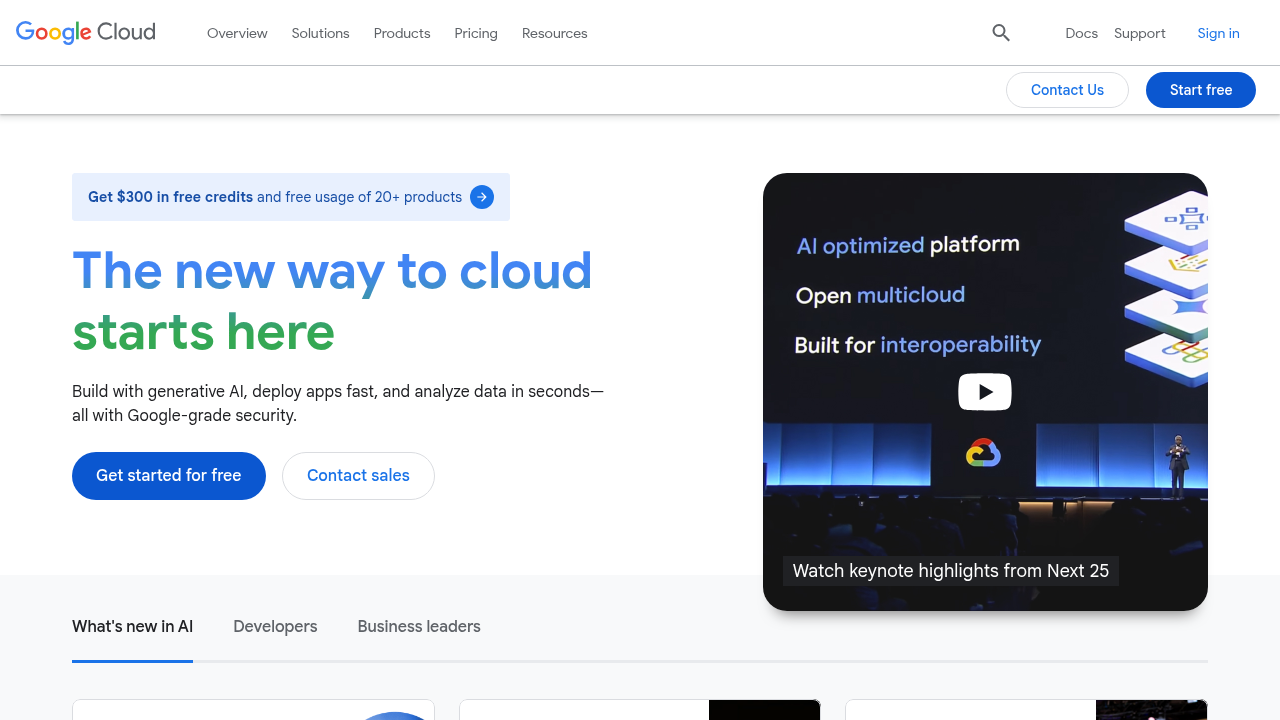
Google AI Platform offers a variety of tools and features that distinguish it from other AI platforms. It has strong capabilities for processing and preparing data, as well as for deep learning, allowing for flexibility across different projects. Its compatibility with frameworks such as TensorFlow and PyTorch enables developers to take advantage of powerful algorithms effectively.
This platform streamlines the deployment of machine learning models, ensuring smooth integration with cloud services and improving scalability. Practical uses include implementing AI chatbots for customer service, generating visual content with DALL·E 3, and building transcription services like Descript. Companies can also access productivity tools like Jasper and Grammarly for content creation, while resources like Alteryx and Microsoft Azure AI enhance analytics and visualization.
One case study highlighted how businesses enhanced their project management and scheduling efficiency using AI models integrated with Salesforce Einstein, illustrating the platform’s effectiveness across various sectors.
Key Offerings of Google AI Platform
The Google AI Platform stands out among AI platforms due to its strong support for machine learning and deep learning initiatives. Developers can access various tools and models, including TensorFlow, Keras, and PyTorch, to build custom algorithms tailored to their projects. The platform excels in data processing and preparation, allowing for seamless integration with cloud services like Google Cloud and Azure AI.
It facilitates an easy way for users to implement AI applications, enhancing productivity with capabilities for content creation, such as transcription and visualizations. The integration of tools like ChatGPT for natural language processing and Jasper for copy generation adds flexibility, while data handling through services like Alteryx and DataRobot improves project management efficiency.
Additionally, Google AI Platform incorporates tools for game development and automation with platforms like Zapier, contributing to scalability and collaboration across teams. Furthermore, users can access stable diffusion and DALL·E 3 for enhanced creative content.
3. IBM Watson
IBM Watson offers distinct AI capabilities, including advanced natural language processing and deep learning models. This platform seamlessly integrates with cloud services to enhance data processing and visualization tasks, making it suitable for diverse AI applications. Its flexibility allows integration with third-party tools, such as Zapier and Microsoft services, to create efficient workflows.
Numerous industries, including healthcare, finance, and retail, have adopted Watson to tackle complex challenges like patient diagnosis, fraud detection, and customer engagement. For instance, in healthcare, Watson has been developed to analyze vast amounts of patient data, helping doctors make informed decisions faster. Success stories include the partnership between Watson and major universities for research, showcasing its effectiveness in data preparation and automation.
Furthermore, organizations have implemented Watson’s AI chatbots for improved customer service, leveraging algorithmsto provide quicker and more accurate responses. Similar platforms, such as Google Cloud AI and Azure AI, also contribute to this field, but Watson’s unique integrations and focus on machine learning and artificial intelligence have set it apart.
Use Cases for IBM Watson
Industries such as healthcare, finance, and retail can greatly benefit from implementing advanced AI tools like Watson. In healthcare, it assists in managing patient data and analyzing medical records, showcasing its flexibility in data processing and deep learning, which helps streamline workflows. Financial services gain from AI applications in risk assessment and fraud detection, demonstrating Watson’s scalability across different areas.
In retail, it enhances customer engagement using AI chatbots for personalized recommendations, illustrating the adaptability of algorithms and models.
Watson enhances decision-making processes by providing real-time data visualization and analysis, allowing businesses to optimize cloud services efficiently. Common metrics for measuring its impact include customer satisfaction scores and sales performance, which offer insights into its effectiveness.
Through its natural language processing capabilities, Watson improves customer service experiences by powering chatbots that handle inquiries promptly, reducing wait times. It can also analyze feedback to refine services, linking with tools like Salesforce Einstein or Google Cloud AI for seamless integration. This ensures organizations maximize their capabilities to maintain high standards in customer interactions.
4. Amazon Web Services (AWS) AI

Amazon Web Services (AWS) AI distinguishes itself among AI platforms thanks to its extensive tools and strong integration capabilities. It provides adaptable services such as machine learning, natural language processing, and data processing, assisting businesses in deploying machine learning models at scale. Organizations can take advantage of resources like TensorFlow, PyTorch, and Keras for deep learning with algorithms designed for specific tasks.
The platform allows for smooth integrationswith other cloud services, promoting effective data preparation and visualization. Real-world uses include employing AWS AI for chatbots in customer service, transcription services like Descript for audio recordings, and content creation tools such as Copy.ai and Jasper for marketing campaigns. Sectors such as finance gain from data analytic tools offered by AWS, while Salesforce Einstein improves customer relationship management through advanced AI applications.
Additionally, AWS enhances project management with integrations like Zapier, enabling thorough task automation and scheduling. Creative fields stimulate innovation using visual tools like DALL·E 3 and Midjourney for artistic outputs, showcasing AWS AI’s diverse capabilities across various domains.
Amazon AI Apps and Features
Amazon offers various applications of AI through its cloud services, including tools for content creation like transcription and image generation with platforms such as DALL·E 3 and Midjourney. AI chatbots powered by models like ChatGPT and Salesforce Einstein assist in customer service and engagement. Features such as data processing and visualization enhance user experience by streamlining project management, while integrations with Zapier improve workflow automation.
Operational efficiency is increased through AI productivity tools like Descript and Grammarly, which help in drafting and editing, along with machine learning tools like TensorFlow and PyTorch that provide flexibility in developing algorithms for various tasks. Amazon employs deep learning within its AI applications by using advanced models in Google Cloud AI and Azure AI, driving innovation through scalable solutions that adapt to user needs. The use of AI applications such as Copy.
ai and ProWritingAid enables effective content generation and scheduling, ultimately leading to improved performance across diverse tasks, from data preparation to gaming software development.
5. OpenAI Platform
The OpenAI Platform stands out due to its advanced models and exceptional flexibility for various AI applications. Developers can integrate tools like ChatGPT and DALL·E 3, which excel in natural language processing and image generation, into their apps easily. This integration allows for seamless data processing and improved user experiences through chatbots and content creation.
Notable use cases include creating transcription services with Descript, automating project management tasks, and enhancing game development with rich storytelling options. Moreover, with support for machine learning frameworks like TensorFlow and PyTorch, developers can build custom algorithms to meet their needs. The platform’s compatibility with cloud services, including Google Cloud AI and Microsoft Azure AI, enables powerful visualization and scalability of AI tools in different sectors.
Additionally, users can benefit from productivity tools, such as Grammarly for writing assistance and Copy.ai for generating marketing content.
Capabilities of OpenAI
OpenAI stands out in artificial intelligence due to its advanced natural language processing capabilities, accommodating various AI applications such as chatbots and content creation tools like Jasper and Grammarly. It offers flexibility in integration with platforms like Zapier, making data processing and workflow automation straightforward.
Developers use models from OpenAI for deep learning tasks, comparing favorably with offerings from Azure AI and Google Cloud AI, as well as frameworks like TensorFlow and PyTorch. The technology supports algorithms that enable transcription through tools like Descript, enhancing project management and scheduling applications. OpenAI’s DALL·E 3 and Stable Diffusion allow users to generate creative visuals, improving data visualization and marketing efforts. In terms of scalability, organizations such as Salesforce Einstein and DataRobot can take advantage of these capabilities to create robust solutions tailored to various needs.
Companies can integrate OpenAI with cloud services like SAP HANA Cloud, enabling efficient data preparation and boosting overall performance with AI productivity tools.
Comparing AI Productivity Tools
When evaluating the effectiveness of various AI productivity tools, users should consider factors such as integration capabilities, flexibility, and scalability. Users can explore models offered by platforms like TensorFlow, PyTorch, and Google Cloud AI, which support machine learning and deep learning for effective data processing and preparation.
The pricing models of different AI platforms, including those from Microsoft, Salesforce Einstein, and DataRobot, significantly influence overall value by determining affordability and access to advanced features. Unique functionalities like transcription in Descript, content creation in Jasper and Copy.ai, AI chatbots such as ChatGPT, and visualization techniques in Alteryx address specific user needs, improving task efficiency.
Additionally, scheduling options with tools like Zapier and data management through Azure AI or SAP HANA Cloud allow users to automate workflows. Users can take advantage of the various capabilities of AI tools like DALL·E 3 and Midjourney for creative projects and ProWritingAid or Grammarly for writing enhancement. Each tool’s algorithm and AI capabilities cater to diverse applications and project management needs, highlighting the relevance of aligning tools with specific use cases.
Future Trends in Artificial Intelligence Platforms
Emerging technologies, such as machine learning and deep learning models, are expected to shape the evolution of artificial intelligence platforms. These models enhance tools like chatbots and data processing applications, enabling more sophisticated interactions. AI platforms are increasingly integrating ethical considerations, ensuring that tools like ChatGPT, Jasper, and Grammarly prioritize user privacy and reduce bias in algorithms, thus improving AI capabilities.
Advancements in cloud computing, particularly with services like Google Cloud, Azure AI, and SAP HANA Cloud, will likely influence the scalability and accessibility of these platforms, allowing for greater flexibility in using AI tools. For instance, integration through layers like Zapier can streamline project management and content creation, fostering seamless workflows across applications such as Descript and DALL·E 3.
Additionally, technologies for visualization and transcription will support enhanced data preparation, providing better insights through tools like TensorFlow and PyTorch.




