
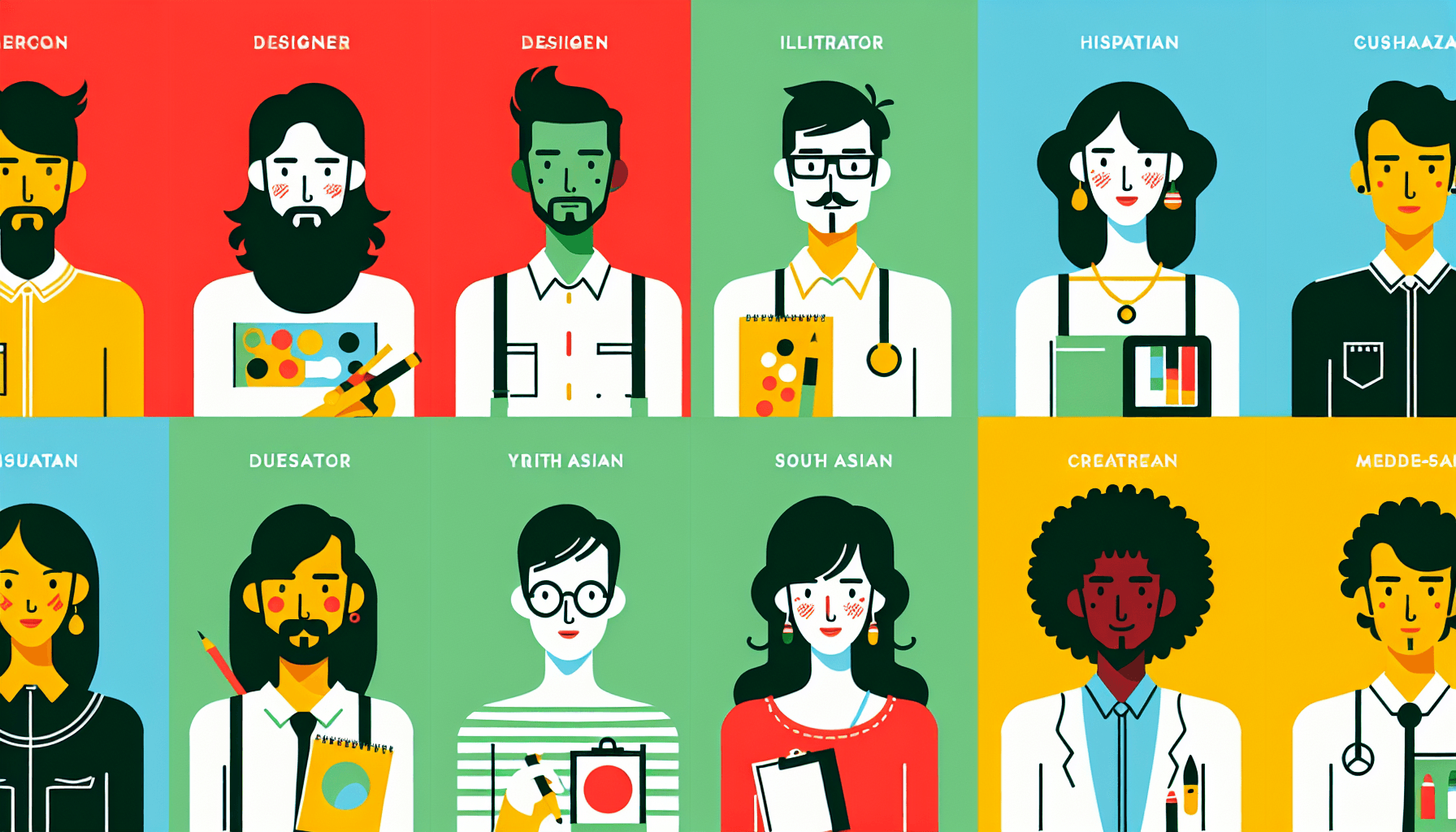
Canva has gained popularity among a wide range of individuals worldwide. This includes students, educators, entrepreneurs, and professionals from various fields. By examining the demographics, professions, and geographic areas of its users, we can gain insights into Canva’s ongoing growth and success. These insights help clarify what draws diverse audiences to this approachable design tool.
Who is Canva’s target audience?
Canva attracts a wide range of users, from individual creators to small businesses, educators, and non-profits. These users are looking for a straightforward design tool that enables them to create visual content without needing extensive graphic design skills. This includes students and teachers who find value in templates designed for presentations and educational resources.
Canva caters to non-designers and social media users with its collection of ready-made templates and an easy-to-navigate interface, simplifying the design process. For small businesses and corporate teams, Canva’s freemium model offers budget-friendly solutions for producing professional marketing materials, while brand kits support consistent branding across projects. The platform thrives on community interaction, gathering feedback to improve user satisfaction and build trust. Targeted marketing efforts showcase its ease of use to a worldwide audience, and partnerships expand Canva’s reach.
This strategy allows the women-led startup to stay ahead in the market by solving real challenges faced by its underrepresented audience. Its ability to adapt to trends with design features like various fonts further reinforces its reputation as a reliable resource for all types of users.
Individuals Seeking Easy Design Solutions
Non-designers Looking to Create Visuals
Non-designers often find it challenging to create appealing visuals due to a lack of formal training. Traditional design tools can seem complex, which contributes to frustration. However, the emergence of easy-to-use design platforms has made it more accessible for smaller businesses, students, and educators to address their visual needs.
Many of these platforms offer freemium models, giving access to templates, fonts, and other design elements, so users can create professional-looking materials at low costs. By leveraging templates, individuals and educational institutions can efficiently produce marketing materials, presentations, and social media content. These tools not only streamline the design process but also improve user experience, enabling non-designers to convey their ideas visually. Community sharing and word-of-mouth recommendations allow users to see what works well, helping them connect with their audiences through attractive graphics.
Targeted marketing campaigns address the real challenges these users face while showcasing solutions that inspire creativity and enhance market presence in the design software field.
Social Media Enthusiasts
Social media enthusiasts greatly appreciate an intuitive interface and a wide array of templates when using a design tool like Canva. They find features such as brand kits valuable for maintaining consistency in visual content across various platforms, which aids in building a strong online presence. By crafting engaging marketing materials like social media posts, infographics, and presentations, they use Canva to connect with their target audience effectively.
As they adjust their design styles for different platforms, these users incorporate diverse design elements such as fonts and colors that align with the preferences of each channel. This customization boosts engagement and ensures their content resonates with varied audiences. The community around Canva enhances its growth, as recommendations and feedback from users create a shared experience that draws in newcomers, including small businesses and educators.
With a freemium model, Canva remains budget-friendly for individuals and small businesses, allowing them to address challenges in graphic design, making it a favored choice among underrepresented audiences seeking effective design software.
Business Professionals and Teams
Small Businesses Needing Marketing Materials
Small businesses often require various marketing materials to promote their products and services, like social media graphics, flyers, brochures, and presentations. These materials enable them to connect with their intended audience and present their brand effectively. To pinpoint their audience, small businesses examine demographics, preferences, and market trends, typically concentrating on an overlooked segment that may consist of individual creators, educators, and non-profits.
A significant challenge they encounter is the limited resources and expertise in graphic design, making it tough to create professional-grade visuals. With accessible design tools that provide templates and design elements, these businesses can overcome obstacles and produce quality content. They can take advantage of the freemium model, granting access to basic features before exploring paid options, which proves budget-friendly for startups.
Furthermore, collaborations and community-driven word-of-mouth strategies increase awareness of their initiatives. By responding to feedback and adapting to market shifts, small businesses can improve their user experience and maintain brand consistency with tools that offer fonts, brand kits, and genuine design solutions.
Corporate Teams for Presentation Design
Corporate teams, especially in marketing and education, often depend on specific roles like graphic designers, marketing specialists, and project managers to lead the presentation design process. To measure effectiveness, they usually look at audience engagement through metrics such as viewer feedback, participation rates, and information retention scores. Collaboration can be challenging due to differences in skill levels and design preferences among team members.
Teams often adopt user-friendly design tools that offer templates and a freemium model, helping them save time and create professional presentations without extensive design knowledge. This method allows for real-time editing and feedback, fostering a sense of community and ensuring everyone can contribute. The platform’s cost-effective solutions are particularly appealing to small businesses, educators, and non-profits, which often lack the resources for extensive paid advertising.
By engaging in social media campaigns andleveraging word of mouth, teams increase social proof and broaden their reach, aiming for market leadership while addressing the needs of their diverse target audience.
Educational Institutions and Students
Teachers and Educators Utilizing Visual Aids
Teachers and educators enhance student understanding by using visual aids that include presentations, infographics, and videos, making lessons more engaging. They often select these materials from a design tool that provides user-friendly templates, allowing them to create eye-catching content with ease. Visual aids can help simplify complex concepts, particularly in subjects like science or math, ensuring comprehension among diverse learners.
To assess effectiveness, educators gather feedback from students and analyze improvements in learning outcomes, such as test scores or participation in discussions. The community of teachers benefits from sharing ideas through social media and word of mouth, showcasing successful campaigns and innovative uses of visual tools. This user base includes a range of demographics, from small business owners to individual creators, all seeking effective ways to communicate ideas.
Educational institutions increasingly rely on these graphic design features, which have become a fundamental part of teaching, attracting more users with its freemium model and cost-effective solutions. By addressing this neglected audience, the design platform is gaining market dominance and ensuring user satisfaction worldwide.
Students Creating Projects and Presentations
Students find Canva to be a powerful design tool that enhances their project presentations with eye-catching visuals. By using templates and design elements, they can quickly create engaging presentations that effectively showcase their ideas. Collaborative features within the user-friendly interface enable students to work together on group projects, allowing them to share and edit their designs in real-time. This encourages teamwork among peers and fosters a sense of community.
As they create, students often seek feedback from teachers and classmates, which helps refine their work. This input allows them to understand market trends and improve their presentations by adding necessary fonts and graphics. The freemium model of Canva provides cost-effective access to design software, making it popular among students, educators, and small businesses alike. With the influence of social media, students also share their designs, creating social proof that highlights their creative skills.
This user base consists of a neglected audience that values affordability and ease of use, solidifying Canva’s market presence within educational institutions and the broader global audience.
Canva Statistics
User Demographics and Growth Trends
Canva’s user base spans a variety of groups, including educators, students, individual creators, and small businesses. This broad audience influences its marketing strategies and product offerings, focusing on user-friendly design tools that address real challenges faced by these groups. Growth trends in recent years show significant increases among teachers and students, driven by expanded educational campaigns and free resources.
This shift led to the creation of specialized templates and design elements for classroom use. Feedback from these users shapes Canva’s future features, prioritizing accessibility and ease of use. The intuitive interface allows for quick creation of marketing materials and presentations, meeting the needs of small businesses. As user demographics continue to guide Canva’s decisions, the focus on targeted marketing and partnerships boosts its presence in important markets.
By leveraging social proof through word of mouth and encouraging community engagement,Canva strengthens its position in the design software landscape as a cost-effective, female-led startup that serves a global audience.
Non-profits and Community Organizations
Organizations Promoting Campaigns
Organizations promoting campaigns often prioritize understanding their target audience, which includes small businesses, individual creators, educators, and students seeking user-friendly design tools for visual content creation. They implement strategies like engaging in content marketing and leveraging social media to build a sense of community, encouraging word of mouth to reach overlooked audiences.
By offering templates and brand kits, organizations cater to diverse demographics and assistusers in creating professional marketing materials swiftly.
Success is assessed through user experience feedback, engagement rates, and the growth of their user base, ensuring that their campaigns resonate effectively with the audience.
Additionally, they analyze market trends and gather data from their graphic design tools to refine their approach and enhance their business model. Collaborations with educational institutions and non-profits boost outreach, raising awareness and providing access to design software that addresses real challenges users encounter. As a female-led startup, these organizations take advantage of partnerships that broaden their global audience and strengthen their market position.
Volunteers Looking for Cost-effective Solutions
Volunteers often struggle to find affordable design tools that align with their needs on tight budgets. An accessible design tool can assist this overlooked group in creating visual content without relying on costly software or extensive graphic design knowledge. By using the platform’s templates and design elements, volunteers can generate impressive marketing materials, presentations, and educational resources efficiently.
A strong community and initiatives focusing on free resources allow them to exchange tips and tools through social media, sharing valuable insights organically. Teamwork enables volunteers to pool their resources to identify and secure shared tools, making their projects more effective. By taking advantage of the freemium model, they can access important features like brand kits and fonts without paying for advertising, broadening their reach and impact.
This easy-to-use interface encourages creativity while improving the overall user experience, allowing volunteers to follow trends and receive feedback from their peers smoothly, ultimately leading to successful project results and contributions to their communities.




