
Artificial intelligence has transformed the way businesses understand and respond to consumer behavior. Brands can now analyze massive amounts of data, identify emerging preferences, and predict purchasing patterns faster than ever before. This has led to an environment where trends appear and disappear at remarkable speed. Products that seem innovative today may feel outdated only months later.
Yet despite this rapid cycle of change, timeless product design continues to thrive. Consumers still gravitate toward products that offer enduring value, exceptional craftsmanship, and lasting functionality. While AI-driven insights help companies identify what customers want in the moment, history shows that products built on quality and thoughtful design consistently outperform short-lived fads over the long term.
The contrast between trend-driven products and timeless design reveals an important lesson for modern businesses: longevity often creates more value than novelty.
The Rise Of AI-Driven Consumer Trends
Artificial intelligence has become one of the most influential forces in modern marketing and product development. Businesses use AI tools to analyze social media conversations, purchasing habits, search behavior, and customer feedback in real time. These insights allow brands to identify trends before they become mainstream.
The result is a marketplace that moves faster than ever. Companies can launch products based on emerging preferences, quickly adapt their offerings, and capitalize on short-term demand spikes. In industries ranging from fashion to technology, this approach has created a culture of constant innovation and rapid product turnover.
While there are clear advantages to responding quickly to market shifts, the focus on immediate trends can also create challenges. Products designed primarily to capitalize on temporary demand may lose relevance once consumer attention shifts elsewhere. Businesses that rely too heavily on trend cycles often find themselves chasing the next opportunity rather than building lasting customer loyalty.
Why Timeless Design Endures
Timeless product design focuses on principles that remain valuable regardless of changing tastes or market conditions. These products prioritize functionality, durability, aesthetics, and craftsmanship over novelty.
Consumers appreciate products that continue to serve their purpose year after year. A well-designed item does not need constant updates to remain useful or attractive. Instead, it remains relevant because it was designed with longevity in mind.
Timeless designs often avoid overly trendy elements that can quickly become dated. Their appeal comes from balance, simplicity, and quality execution. This approach allows products to fit naturally into changing environments without losing their value.
Many of the world’s most respected brands have built their reputations around this philosophy. Rather than reinventing their products every season, they focus on refining and improving proven designs that customers trust.
The Growing Demand For Long-Term Value
Economic uncertainty has influenced how consumers evaluate purchases. Rather than focusing solely on initial cost, many buyers now consider total value over the lifespan of a product.
A lower-priced item may seem attractive initially, but frequent replacement costs can quickly outweigh the savings. As a result, consumers increasingly seek products that offer durability, reliability, and lasting performance.
This shift has contributed to growing interest in handcrafted goods, premium materials, and products designed for long-term use. Buyers recognize that investing in quality often leads to greater satisfaction and lower costs over time.
Businesses that emphasize long-term value also benefit from stronger customer relationships. Customers who have positive experiences with durable products are more likely to become repeat buyers and brand advocates.
Craftsmanship Creates A Competitive Advantage
One of the defining characteristics of timeless design is craftsmanship. Skilled craftsmanship goes beyond aesthetics. It reflects attention to detail, quality materials, and a commitment to excellence throughout the production process.
In a marketplace increasingly shaped by automation, craftsmanship provides differentiation that cannot easily be replicated by algorithms alone. While AI can help optimize manufacturing and improve efficiency, it cannot replace the human expertise required to create truly exceptional products.
Consumers often associate craftsmanship with authenticity and trustworthiness. Handcrafted or carefully engineered products communicate a level of care that mass-produced alternatives may struggle to match.
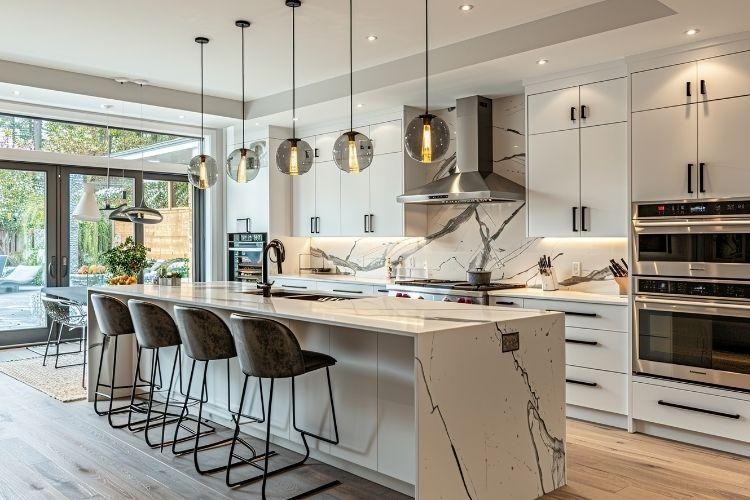
This is particularly evident in industries such as furniture, home design, and architectural products. Companies that focus on custom manufacturing and premium materials frequently attract customers seeking unique products with lasting appeal. For example, brands such as worldcoppersmith have built their reputation around handcrafted sinks, range hoods, furniture, and other home features designed to provide both functionality and timeless style.
Emotional Connections Matter More Than Trends
Timeless products often succeed because they create emotional connections with consumers. People form attachments to products that become part of their daily lives, family traditions, or personal environments.
Trend-driven products frequently generate excitement through novelty. However, that excitement may fade as newer trends emerge. Products rooted in enduring design principles tend to foster deeper and more lasting relationships with customers.
Consider the difference between a decorative item purchased because it is currently popular and a handcrafted piece selected because it complements a home’s overall character. The latter is more likely to remain valued for years or even decades.
Businesses that understand the emotional component of purchasing decisions can create products that transcend temporary trends and build stronger brand loyalty.
Sustainability Favors Timeless Design
Sustainability has become a major consideration for both consumers and businesses. Many people are increasingly aware of the environmental impact associated with disposable products and constant replacement cycles.
Timeless design aligns naturally with sustainability goals because durable products remain in use longer. When consumers purchase high-quality items that do not require frequent replacement, they consume fewer resources over time.
This approach supports responsible consumption while also delivering greater value to customers. Rather than contributing to waste through short-lived products, businesses can promote longevity as part of their sustainability strategy.
Consumers increasingly recognize that sustainable purchasing decisions often involve buying fewer, better-made products instead of repeatedly replacing lower-quality alternatives.
Innovation And Timelessness Can Coexist
Choosing timeless design does not mean rejecting innovation. In fact, many of the most successful products combine modern technology with enduring design principles.
AI can play a valuable role in improving product performance, understanding customer needs, and enhancing manufacturing processes. The key is ensuring that innovation supports long-term value rather than simply chasing short-term trends.
Companies that successfully balance innovation with timeless design create products that remain relevant even as technology evolves. They use new tools to improve quality, functionality, and customer experiences while maintaining the core attributes that make their products enduringly valuable.
This balanced approach allows businesses to benefit from technological advances without sacrificing the principles that drive long-term success.
Conclusion
AI-driven consumer insights have transformed the speed at which trends emerge and evolve. Businesses now have unprecedented access to data that helps them identify opportunities and respond to changing market conditions. However, the rapid pace of trend cycles has not diminished the importance of timeless product design.
Consumers continue to value quality, durability, craftsmanship, and long-term functionality. Products built around these principles often outperform trend-driven alternatives because they provide lasting value and create stronger emotional connections.
As markets become increasingly influenced by technology, the companies that thrive will likely be those that use innovation to enhance timeless design rather than replace it. By focusing on enduring craftsmanship and meaningful value, businesses can build products that remain relevant long after today’s trends have faded.




