
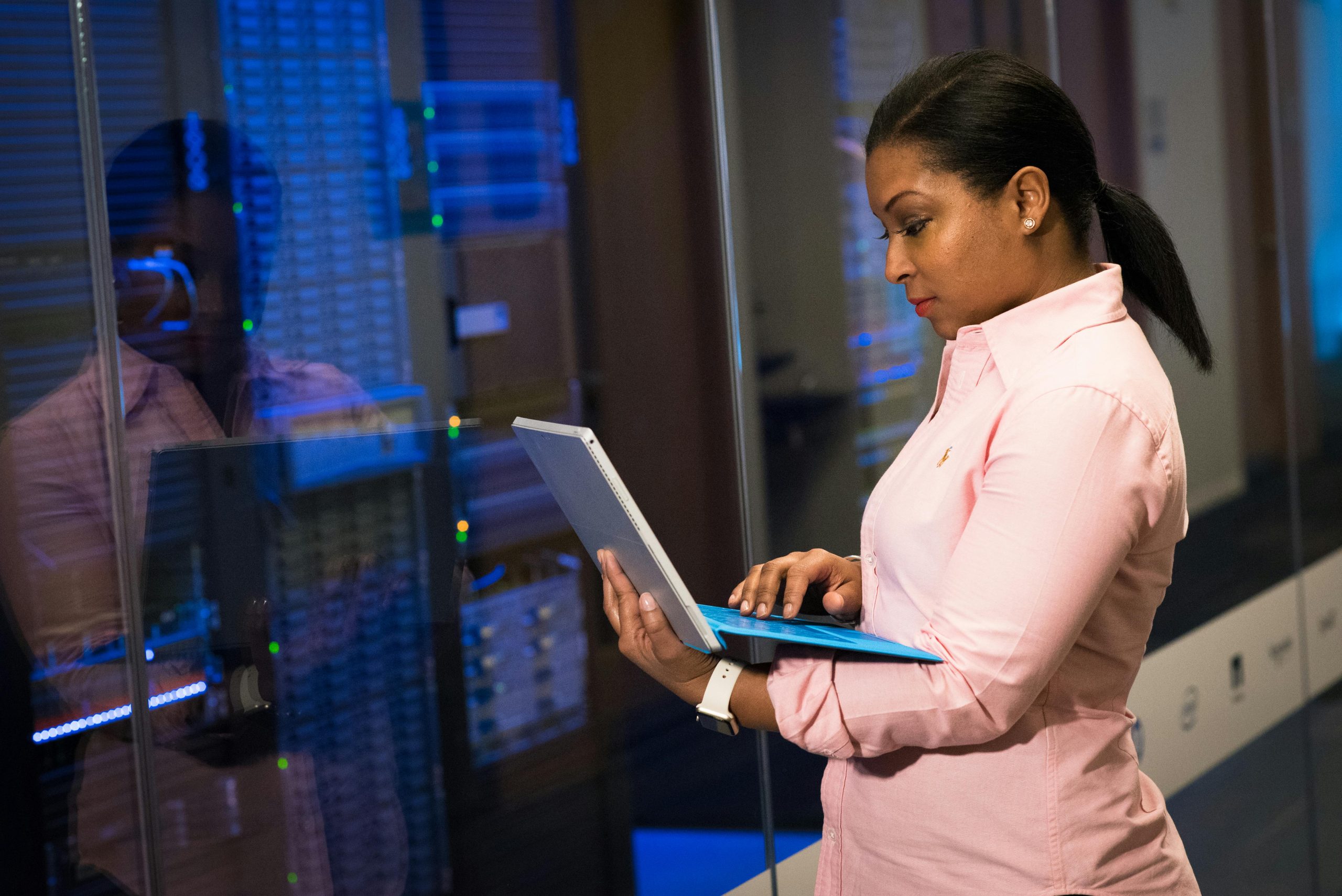
Technology is creating some positive shifts in the workplace environment. With ongoing efforts to secure and streamline operations, digital tools have become an asset for businesses hoping to keep pace with the competition.
From AI to automation and data-driven communication platforms, technology is producing a better workplace experience for employees and their managers.
If you’re eager to build efficiencies into your workplace – or just curious about the latest tech innovations – you’ve come to the right place. Read on to learn about the seven latest trends in smart workplace technology!
1. Input from AI
Yes, team meetings are a great place to brainstorm or refine ideas to improve workplace efficiencies. But these meetings are time-consuming and don’t always uncover the best places to make improvements. That’s where artificial intelligence (AI) enters the equation as a new voice primed to help you maximize employee potential and facility operations.
AI can analyze workplace data to spot inefficiencies or patterns that can help you make more informed changes.
For instance, you may have underutilized spaces that could be converted or even trimmed from a lease agreement. You may have utility spikes that suggest you need to have your plumbing or HVAC systems assessed. Or AI-powered systems can review safety incidents to help pinpoint urgent risks to address, including through tools like AI-powered concrete monitoring that track curing progress and flag anomalies early.
When you can identify these forms of waste, you can take action to avoid incurring unnecessary overhead costs. This, in turn, can keep your accounting on track and help employees see that you’re motivated to make upgrades.
2. Smart Security Systems
With AI-powered cameras and security devices in your work facility, you can rest assured that you’re protecting your company’s assets. Unusual behavior or unauthorized access to a building or workspace will trigger AI-powered devices to alert you to the issue.
Similarly, motion detectors and AI-powered drones can serve as extra layers of security to keep intruders from causing damage. And thanks to savings and perks from All Security Equipment, a leading provider of security equipment and accessories, you can introduce a custom-tailored blend of equipment to fortify your workplace. Anything from keypads to gate operators can help create a safer, smarter workplace.
3. IoT-Powered Maintenance Oversight
When you’re at the helm of a company, you want to focus on long-term strategies to boost revenue and expand. But you can’t neglect the maintenance details that keep your workspace humming. That’s where the Internet of Things (IoT) can be a tool to keep everything from appliances to HVAC systems operating efficiently.
IoT sensors can enable device monitoring and automation. In other words, you won’t need to manually adjust the thermostat or wait for it to go out before addressing it. A sensor embedded within a thermostat will detect a drop in efficiency and alert you to get maintenance help. Companies looking to adopt such smart solutions often turn to IoT services for seamless implementation and system integration.
You may just need to replace the thermostat, but more daunting HVAC issues could be at play – and it’s always better to catch them early.
Likewise, sensors in your light fixtures or office appliances will track performance, so you aren’t stuck making a larger maintenance investment or even replacing products.
Predictive maintenance can be challenging in large office spaces. Let an IoT-powered smart office, populated by sensor-equipped devices, do the heavy lifting for you. You’ll reduce downtime and improve your employees’ workplace environment.
4. Streamlined Communication
Not all employees will work in the office on a given day, especially at companies with hybrid or remote work options. Consequently, flexible communication is a must. Integrated platforms that offer access to messaging, calendars, and virtual meetings are the future of workplace technology.
Employees don’t want to check one platform for office messages and another for delivery updates. Using smart technology to integrate these functions will streamline operations and create a more productive, dynamic workday for every employee.
5. Biometrics Over PIN Codes
Does it always feel like there are too many passwords to memorize? When you’re tired of coming up with new PIN codes or remembering to bring your ID to access certain entry points, turn to biometrics. With biometric access, you’ll use your face or fingerprint to enter a space.
Biometric access offers convenience and a faster way to achieve entry to a workspace. But it also offers enhanced security. Facial recognition and fingerprints are unique to each person, making bypassing security measures harder.
This can help keep privileged information secure from prying eyes and build extra accountability into the workplace.
6. Smart Systems to Elevate the Workplace
The best strategic decisions hinge on the continual review of your business’s needs, strengths, and weaknesses. And to make those decisions, you’ll need a clear-headed and alert team working together. This is harder to do in a workplace that’s not conducive to performing at your highest level.
Smart technology is improving workplace comfort. Sensors have enabled thermostats and lighting systems to adjust according to needs. This helps maintain comfortable temperatures and adequate, not overpowering, lighting that promotes better brain activity.
These responsive systems can even detect dangerous situations, like elevated CO2 levels, that may require intervention. In short, smart technology is facilitating healthier and more stimulating work environments where employees are primed to invest in their work.
7. Virtual Replicas
Are you planning an office redesign but wondering if a proposed layout or color scheme is the right choice? With digital twins, you can try designs before committing the resources to one of them.
A digital twin mimics the appearance and characteristics of a physical space, with sensors and IoT technology enabling the replica to update in real time. You can capture data about energy usage to help optimize your light fixtures.
Or you can test the potential impact of a sustainability initiative. Think of digital twins as simulators designed to help you make better decisions about workplace changes.
Embracing Smart Technology
Smart workplace tech has evolved to enhance security, climate control, and automation. You’ll end up with more efficient, comfortable workplaces that draw the best from your employees.
Even simple changes, like opting for biometric access instead of PIN codes, can lead to fewer hassles and more time to focus on projects. For workplaces looking to stand out from the competition, these smart technology advances are worth the investment.





