Industries built around high-value physical assets—such as manufacturing, logistics, mining, and infrastructure—operate under constant pressure to maintain uptime, manage lifecycle costs, and secure predictable returns on heavy investments. In this environment, business models evolve not by chasing volume, but by blending capital efficiency with service continuity.
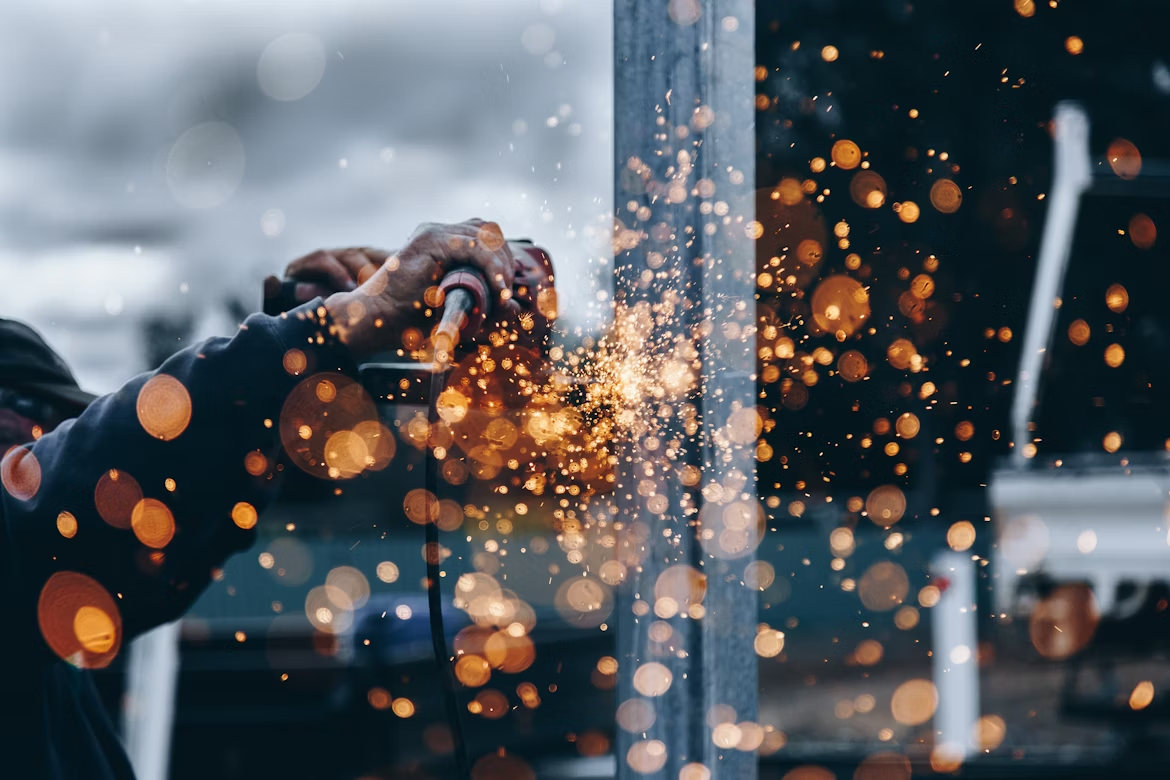
Photo by Christopher Burns on Unsplash
Below are four companies that illustrate how asset-intensive industries modernize revenue models, reduce volatility, and convert machinery and infrastructure into ongoing value platforms.
Nuweigh: Lifecycle Service In Industrial Weighing
In Australia’s industrial landscape, Nuweigh demonstrates how a mid-sized manufacturer can thrive by turning heavy equipment into a long-term service ecosystem. The company provides weighbridges, platform scales, and load cells for mining, recycling, and logistics—sectors where infrastructure downtime directly translates to financial loss.
Rather than treating a weighbridge as a one-off sale, NuWeigh anchors its model in whole-of-life management. Every installation—often worth hundreds of thousands of dollars—comes with civil design, calibration, digital monitoring, and maintenance contracts. This approach aligns with the needs of asset-intensive operators that depend on measurement accuracy for compliance and billing integrity.
A 2024 partnership with ANYLOAD brought smarter load cells and remote diagnostics, reducing on-site servicing frequency and offering predictive alerts. That move effectively turns a static product into a “living asset.” As more clients adopt IoT monitoring, NuWeigh is well-positioned to evolve toward outcome-based pricing—charging for uptime or verified accuracy instead of ownership alone.
What makes this model durable is its precision engineering paired with dependable service. In an economy where infrastructure reliability defines profitability, NuWeigh monetises not just steel and circuitry, but certainty itself.
Caterpillar: From Machine Sales To Ecosystem Leasing
Across construction, mining, and energy, Caterpillar has spent a century mastering the economics of heavy equipment. But its most powerful shift came in how it restructured ownership: from transactional sales to a service-driven, asset-retentive model.
Caterpillar’s global network sells machines that cost from US$100,000 to several million dollars, yet the bulk of its profit no longer comes from new equipment. Instead, aftermarket services, rentals, and financing now represent nearly half of total revenue. Through its Cat Financial arm, customers can lease or rent excavators, dozers, or haul trucks while Caterpillar retains ownership of the asset—capturing long-term margin and reducing cyclical exposure.
Digitalisation completes the model. “Cat Connect” systems transmit engine data, location, and performance metrics from equipment fleets in real time. This connectivity allows predictive maintenance, ensuring uptime commitments and feeding data-driven loyalty loops. Every service event, component replacement, or software update extends both machine life and customer dependency.
In an industry where downtime can cost tens of thousands per hour, Caterpillar’s value lies in control and continuity. The company’s model shifts risk away from customers while monetising reliability—a formula that keeps heavy iron profitable even when commodity cycles fluctuate.
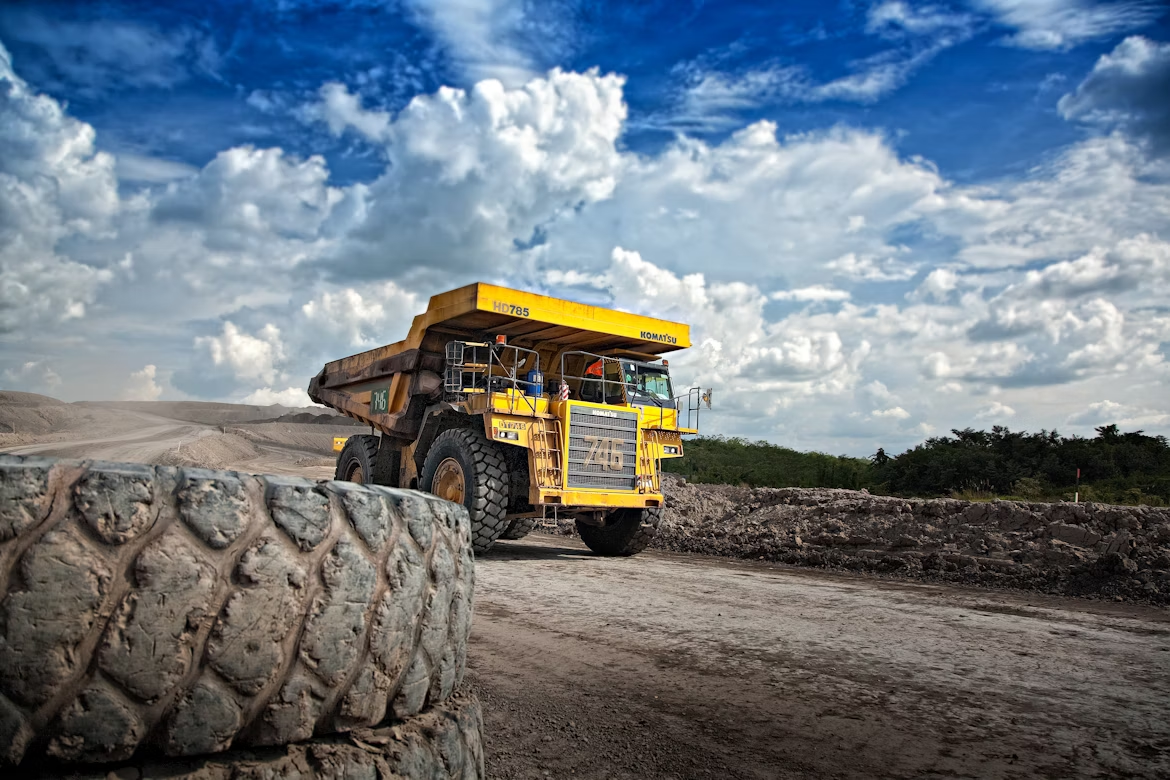
Photo by Dominik Vanyi on Unsplash
Siemens: Outcome-Based Industrial Partnerships
Siemens AG represents how a mature industrial conglomerate transforms into a digital-first, performance-linked partner for global infrastructure clients. Operating across automation, energy, and process industries, Siemens recognised early that selling turbines or control systems was no longer enough; customers wanted guaranteed results, not hardware invoices.
The company’s Smart Infrastructure and Digital Industries divisions now operate on hybrid contracts that tie payment to measurable outcomes—such as system uptime, energy efficiency, or reduced unplanned downtime. These “availability” and “performance” agreements redefine how value is captured: Siemens assumes partial operational risk but gains recurring, high-margin revenue in exchange.
Through its Smart Asset Management platform, data from industrial systems feeds machine learning models that optimise maintenance scheduling and lifecycle efficiency. Rather than reacting to failures, Siemens delivers predictive support. The more assets it monitors, the richer its analytics advantage becomes—creating a compounding moat.
In essence, Siemens monetises trust. By guaranteeing performance and embedding analytics into physical assets, it evolves from manufacturer to operational partner. For asset-intensive clients—from rail operators to chemical plants—the incentive alignment is perfect: Siemens profits when the customer runs better, longer, and safer.
Maersk: Integrating Ownership Into End-To-End Logistics
Few companies embody asset intensity like A.P. Moller-Maersk, the world’s largest container shipping firm. Its competitive advantage no longer lies purely in vessel count, but in vertical integration across the logistics chain—from ports and warehouses to digital freight management.
Traditionally, shipping lines earned revenue per voyage, dependent on volatile freight rates. Maersk inverted that model by offering integrated logistics services, guaranteeing door-to-door reliability for global supply chains. The company’s investment in terminals, air freight, and warehousing allows it to control the full route of goods rather than compete on per-container pricing.
Digital platforms such as Maersk Flow connect customers’ inventory systems directly to shipping schedules, creating sticky, data-linked relationships. Meanwhile, asset ownership—ships, cranes, depots—serves as an operational backbone rather than a balance-sheet burden. Revenue comes not from tonnage alone but from supply-chain orchestration.
In this hybrid model, Maersk fuses the tangibility of hard infrastructure with the agility of a tech-enabled logistics provider. Its transformation from carrier to integrator demonstrates how asset-intensive giants can escape commoditisation: by turning fixed capacity into service capability.
Arcelormittal: Circular Operations In Heavy Manufacturing
In the steel industry—one of the most asset-heavy on earth— ArcelorMittal shows how environmental transition itself becomes a business model. With furnaces, rolling mills, and power systems valued in the billions, decarbonisation forced the company to reinvent production economics around closed-loop resource management.
The firm now integrates scrap recovery, carbon-capture initiatives, and electric-arc technology under what it calls its “Smart Carbon” strategy. Instead of pure throughput, value is created by lowering emissions intensity per tonne of steel produced—a shift that unlocks regulatory incentives and ESG-driven demand from automakers and builders.
Crucially, the model reframes fixed assets as flexible systems. By investing in modular hydrogen-ready furnaces, ArcelorMittal converts infrastructure from a liability into a long-term sustainability platform. Partnerships with energy firms and recyclers extend revenue opportunities across the supply chain, turning waste streams into feedstock.
This approach reflects a broader transformation in asset-intensive manufacturing: capital efficiency is no longer about scale alone but about adaptability. Firms that reconfigure assets to support carbon-neutral production effectively build resilience into their balance sheets.
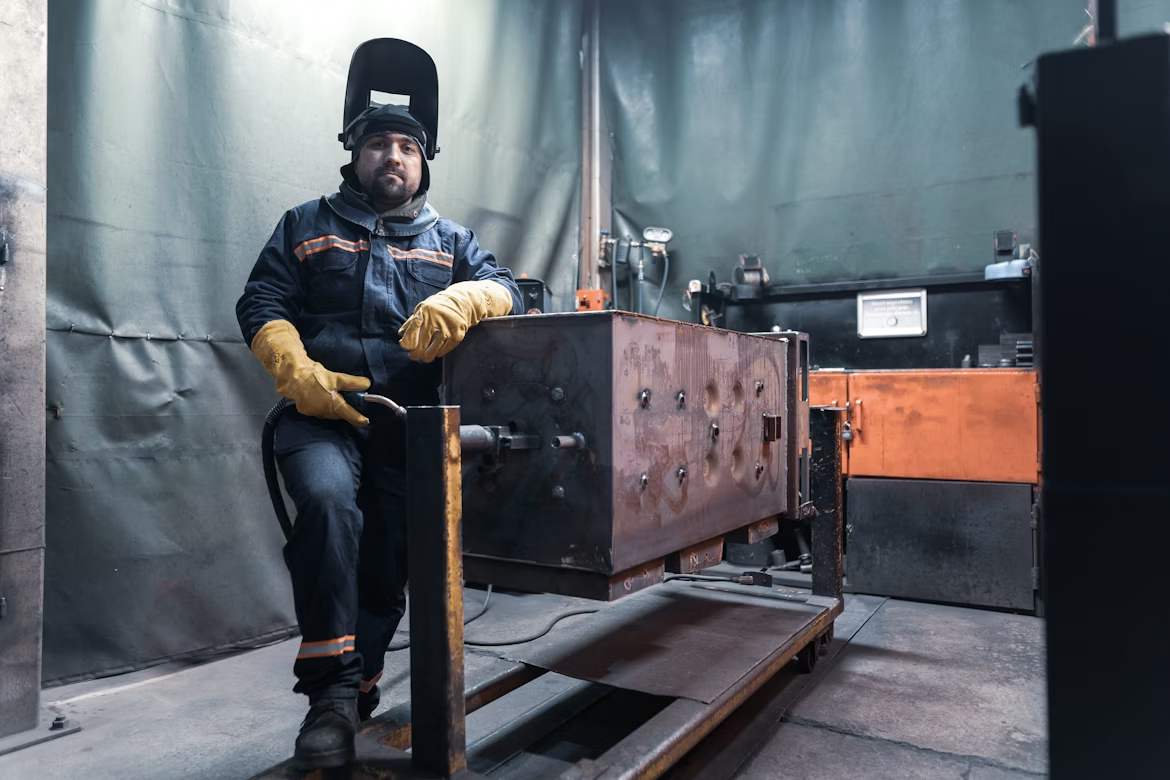
Photo by Ümit Y?ld?r?m on Unsplash
Endnote
Asset-intensive industries are redefining how they create value. The shift from ownership to partnership, from product sales to lifecycle service, and from scale to adaptability shows a clear trend: the most resilient companies no longer compete on assets alone, but on how intelligently those assets are managed and monetised.
Whether through NuWeigh’s service-driven weighing systems, Caterpillar’s leasing ecosystem, Siemens’ outcome-based contracts, Maersk’s integrated logistics, or ArcelorMittal’s circular production, success now depends on turning infrastructure into an engine of continuous performance, data, and trust.