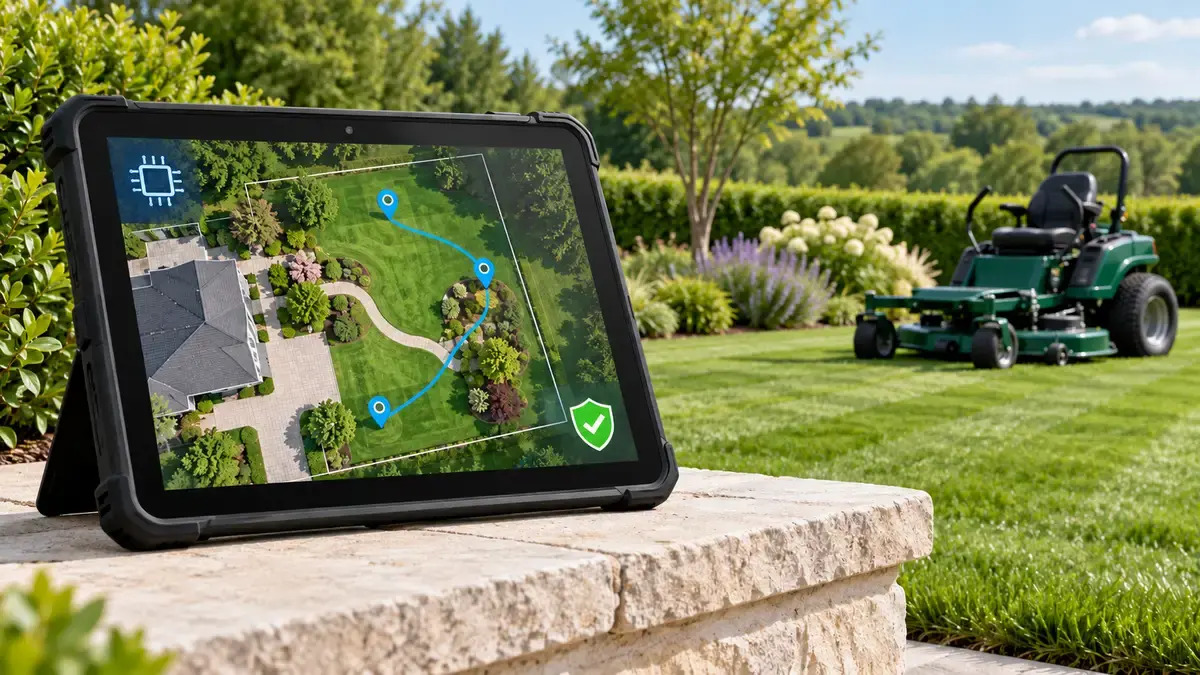
As a business owner, you often have the feeling that there is always room for improvement. You know that with the right adjustments, your business could operate more efficiently, serve customers better, and grow at a faster pace.
However, it can be challenging to pinpoint exactly where to focus your efforts for the most impact. You may feel that operational inefficiencies, rising costs, and difficulty scaling are holding you back from achieving your business goals.
Business owners can overcome these challenges with strategic technology decisions. This article will explore how small businesses can adopt technology to enhance operational excellence, eliminate inefficiencies, and gain a competitive edge.
The Role of Technology in Operational Excellence
Technology plays a crucial role in driving operational excellence by directly improving efficiency and enhancing decision-making. One of the most impactful technological advancements is automation, which helps businesses eliminate repetitive tasks and manual processes.
Automation tools can manage everything from inventory tracking to customer communications. They free up valuable time and resources for more strategic initiatives.
Another key area is data management. Leveraging technology to collect, analyze, and store data enables small businesses to make informed decisions based on real-time insights. With advanced data analytics tools, businesses can identify trends, monitor performance, and optimize their operations for maximum efficiency.
Communication and collaboration tools are also essential in optimizing team workflows. Platforms like Slack, Microsoft Teams, and project management tools like Trello or Asana allow teams to collaborate seamlessly, track progress, and ensure everyone is on the same page.
Strategic Technology Decisions for Small Business Growth
When thinking about strategic technology decisions for growth, it’s essential to align your technology choices with your specific business goals. One key technology decision for many small businesses is adopting modern POS solutions.
These systems integrate payment processing, inventory tracking, and customer data management. Daily transactions are streamlined, and you also get valuable insights into sales and customer behavior.
In addition to POS systems, small businesses may also consider implementing broader systems like ERP (Enterprise Resource Planning). While modern POS systems with CRM capabilities handle customer-facing operations, ERP systems manage backend processes such as finance, supply chain, and human resources.
These systems, though separate, can complement each other by integrating data from various functions across the business to create a unified view of operations.
Cloud-based solutions are also essential for small businesses due to their scalability and flexibility. Cloud POS systems, for instance, allow businesses to access real-time sales and customer data from anywhere.
Similarly, cloud ERP systems provide centralized data storage and seamless collaboration across departments. Cloud solutions support growth without the need for expensive physical infrastructure.
Key Technology Decisions for Small Businesses
When selecting technology, small businesses should carefully consider the following key decisions:
- Choosing Scalable Technology: Opt for cloud-based POS, ERP, and CRM systems that can grow with your business. These can easily adapt to increased transactions, larger inventories, and more customers.
- Off-the-Shelf vs. Customized Software: Off-the-shelf POS solutions with built-in CRM meet most business needs, but customized software may be more suitable for businesses with complex requirements.
- Ensuring Data Security and Compliance: Safeguarding customer and business data is critical. Ensure that the technologies you adopt comply with relevant regulations and use encryption to protect sensitive information.
- Integrating Technology Across Departments: Choose systems that integrate seamlessly, ensuring data flows smoothly between POS, inventory management, sales, and customer service.
Overcoming Challenges in Adopting Technology
While technology offers significant advantages for small businesses, its adoption often comes with challenges. One of the primary barriers is cost constraints. Many small businesses may struggle to allocate the necessary budget for new technology, especially for solutions that require ongoing investments in software, hardware, or training.
Another challenge is employee resistance, where staff may be hesitant to adopt new tools. They might fear disruption to their routine or the learning curve involved. Additionally, data security and privacy concerns are increasingly important, as small businesses need to ensure that the technology they adopt complies with regulations and protects sensitive customer information.
To overcome these challenges, businesses can implement several solutions:
- Phased technology adoption: Instead of implementing everything at once, focus on high-impact areas first, such as automating manual tasks or integrating essential systems. This allows businesses to ease into technology adoption while seeing immediate benefits.
- Partnering with tech providers: Many tech vendors offer affordable solutions tailored for small businesses, along with training and support to ease the transition.
Businesses need to provide an environment where employees are encouraged to learn and adapt to new technologies. This ongoing investment in skills will ensure long-term success and smoother adoption.
Conclusion
Strategic technology decisions are essential for small businesses aiming for long-term success and sustainable competitive advantage. While addressing current operational issues such as inefficiencies, rising costs, and scaling difficulties, these choices also position businesses to anticipate and respond to future changes in their industry. By thoughtfully selecting and implementing technologies like modern POS systems, cloud-based solutions, and integrated platforms, business owners create a robust operational foundation that supports both immediate improvements and long-term growth objectives.
The journey toward operational excellence through technology is not without its challenges, including budget constraints, employee resistance, and data security concerns. However, by adopting a phased implementation approach, partnering with experienced technology providers, and fostering a culture of continuous learning, small businesses can successfully navigate these obstacles. Business owners who commit to strategic technology adoption set the foundation for sustainable growth, ensuring their ability to adapt to market shifts, meet evolving customer expectations, and maintain a competitive edge in an increasingly digital marketplace.