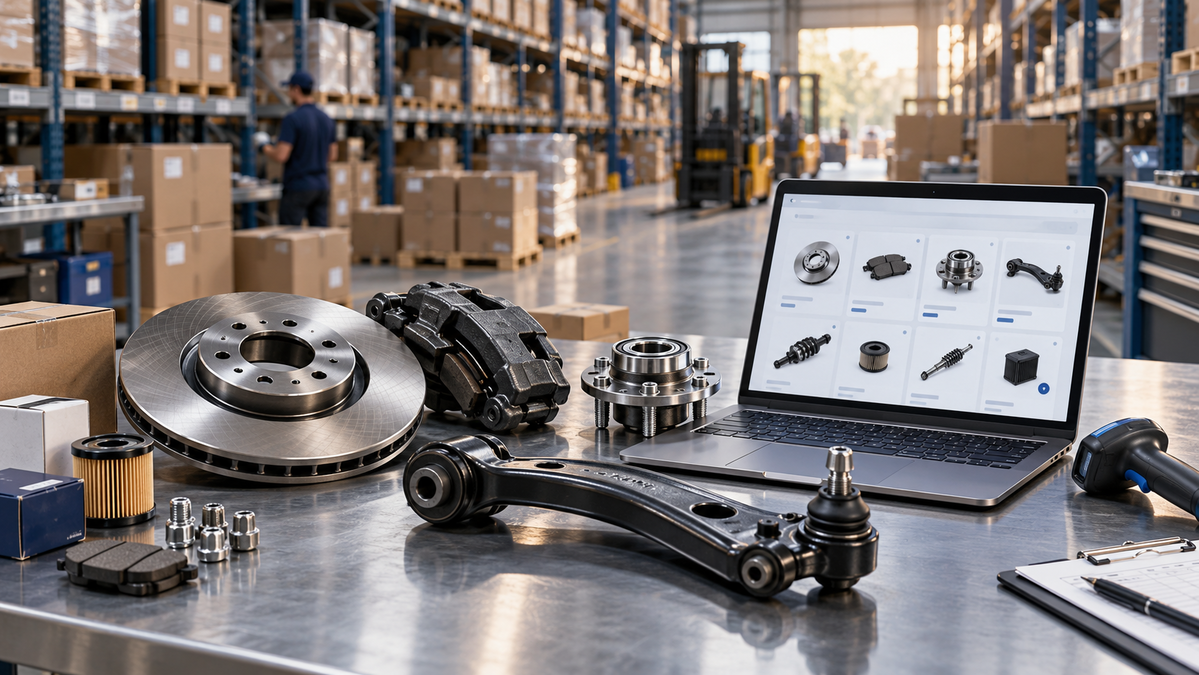
The construction and machinery sectors—once defined by manual precision and heavy mechanical engineering—are undergoing a rapid digital transformation. Smart technologies, connectivity, and data analytics are now integral to productivity, safety, and sustainability.
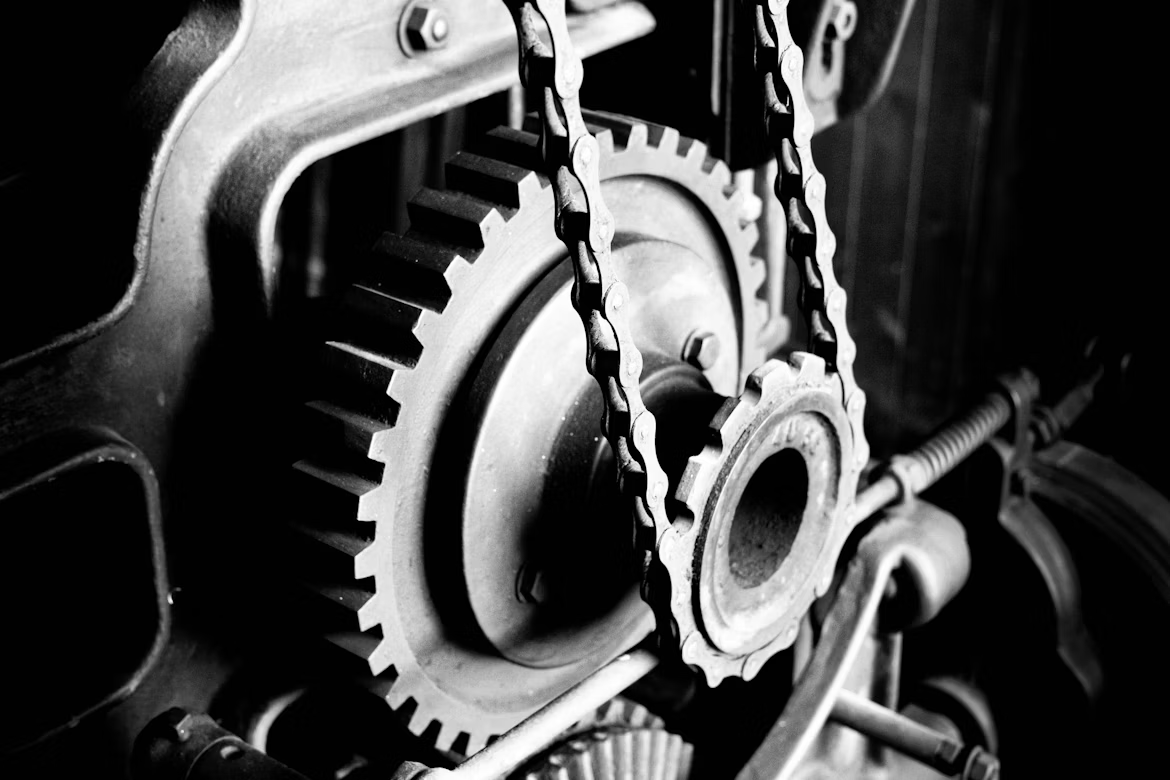
Photo by Mike Hindle on Unsplash
Companies are no longer simply buying machines; they are investing in digital ecosystems where equipment, operators, and software work in unison to maximize efficiency and reduce downtime. This shift is visible on every level—from the integration of telematics in equipment fleets to predictive maintenance, automation, and digital twins used in project management.
Smart Equipment Integration And The Range Of Excavators
The digital era has revolutionized how companies manage their fleets, especially within the range of excavators available to modern contractors. Excavators, once differentiated mainly by size and horsepower, are now digitally connected systems equipped with advanced sensors, telematics modules, and semi-autonomous features. Major OEMs like Caterpillar, Komatsu, and Porter Group have introduced machine control systems that allow operators to use GNSS (Global Navigation Satellite System) data to guide excavation with centimeter-level precision.
These smart systems reduce the need for staking or re-surveying, saving hours on site and minimizing costly rework. For instance, a digital excavator can automatically control its boom and bucket to maintain exact grade levels, improving both speed and fuel efficiency. Cloud connectivity allows managers to track utilization rates, idle times, and maintenance schedules across their entire fleet, using real-time data analytics to forecast when machines need servicing or recalibration.
The impact of digital integration on excavation is profound. Projects that once required multiple surveys can now rely on live digital twins and Building Information Modeling (BIM) systems that sync directly with machine guidance tools. The result is a continuous feedback loop between design and execution—one where operators receive automated cues, and engineers gain visibility into every cubic meter moved. This technology not only increases accuracy but also enables sustainable operation by reducing unnecessary fuel burn and emissions.
Building Information Modeling (Bim) And Digital Twins
At the core of construction’s digital revolution lies Building Information Modeling (BIM) and digital twin technology, bridging the physical and digital worlds. BIM provides detailed 3D models that go beyond visual design—they encapsulate data on materials, costs, timelines, and energy performance. When combined with real-time sensor data from machines on-site, these models evolve into digital twins that mirror construction progress and performance.
Companies like Skanska, Bouygues, and Bechtel are using BIM-integrated systems to simulate entire project lifecycles—from early design to demolition. For instance, when a machine equipped with IoT sensors excavates or lays foundations, its telemetry automatically updates the twin model. This data ensures that any deviations from design are detected instantly, enabling rapid correction.
The integration of digital twins also supports sustainability goals: teams can model energy consumption, material waste, and carbon emissions before construction begins, leading to greener outcomes and compliance with ESG standards.
Predictive Maintenance And Iot In Heavy Machinery
IoT and predictive analytics have fundamentally changed equipment management. Traditional maintenance relied on fixed schedules or operator intuition. Today, sensors embedded in machinery continuously measure parameters such as vibration, oil temperature, hydraulic pressure, engine load, and the performance of industrial hydraulic components that are critical to heavy machinery operation. Platforms like Caterpillar’s VisionLink and Komatsu’s Komtrax use these readings to predict failures before they occur.
Predictive maintenance not only cuts costs but prevents catastrophic breakdowns that halt projects. By analyzing machine data over time, algorithms learn the operational fingerprint of each asset, detecting subtle anomalies long before human perception could.
This is particularly valuable in construction, where a single machine’s downtime can disrupt an entire chain of activity. Moreover, by digitizing maintenance workflows, companies gain full traceability—technicians know what part failed, when it failed, and under what conditions. The combination of IoT, cloud connectivity, and AI-based analytics is leading to more resilient and efficient fleets.

Photo by JESHOOTS.COM on Unsplash
Robotics And Automation On The Jobsite
Automation in construction once seemed implausible due to the variability of terrain and project types. However, advances in robotics, AI, and computer vision are overcoming these barriers. Semi-autonomous bulldozers, drones, and robotic arms are now commonplace in earthmoving, surveying, and welding. Excavators can autonomously dig to pre-programmed depths, while drones survey topography and generate updated site maps daily.
Japanese firm Obayashi and U.S.-based Built Robotics are pioneers in automating excavation tasks, using AI-guided systems to enhance precision and safety. Robots equipped with LiDAR and GPS are handling repetitive or dangerous work such as rebar tying or concrete finishing. Automation doesn’t eliminate human workers—it shifts their role toward supervision, control, and interpretation of machine-generated data. This transition is fostering a new kind of construction workforce that blends traditional mechanical expertise with data literacy and software fluency.
Cloud Platforms And Data Integration
Data is the new foundation of construction efficiency. Cloud-based platforms such as Autodesk Construction Cloud, Trimble Connect, and Procore act as digital command centers linking machines, sensors, and people across the project lifecycle. They unify previously fragmented data—design models, project schedules, material deliveries, and equipment telemetry—into a single, accessible ecosystem.
The power of these systems lies in integration. Project managers can see machine utilization data from excavators alongside material inventory levels, weather forecasts, and labor deployment—all in one dashboard. This visibility improves decision-making and reduces costly delays.
Through Application Programming Interfaces (APIs), data from third-party IoT devices and ERP systems flow seamlessly into these clouds, enabling analytics that were once impossible. In the long term, these digital infrastructures will serve as the basis for generative design and automated planning, where AI will propose optimal schedules, routes, and workflows.
Workforce Upskilling And Digital Literacy
The success of digital transformation depends as much on people as it does on technology. Modern machinery is now as much about software as steel, meaning operators must evolve into hybrid professionals fluent in both mechanics and data systems. Training programs are rapidly adapting—manufacturers now offer simulator-based instruction and VR-assisted modules to help operators master digital interfaces safely before entering real-world environments.
For example, Komatsu’s Operator Training Center in Illinois combines virtual simulators with machine telematics, allowing trainees to see how digital feedback affects performance. Similarly, companies are upskilling maintenance teams to interpret predictive analytics dashboards and use diagnostic software.
These programs are essential to avoid the “digital divide” that leaves workers behind as machines become smarter. Construction firms that invest early in digital literacy are seeing measurable improvements in safety, efficiency, and employee retention.
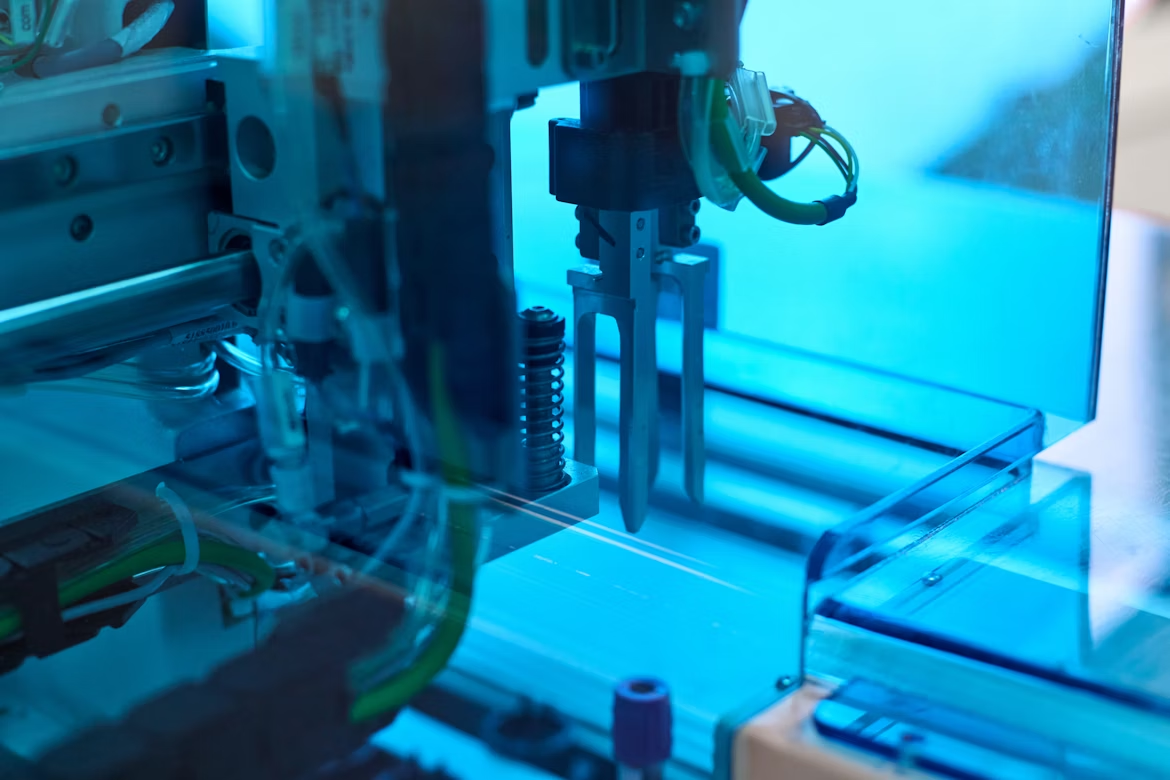
Photo by Testalize.me on Unsplash
Endnote
The digital transformation of the machinery and construction industries is not a theoretical vision—it’s a living evolution reshaping the entire value chain. From the range of excavators equipped with telematics and automation, to AI-driven maintenance and real-time digital twins, the sector is moving from reactive to predictive, from manual to data-informed. Companies embracing this shift are finding new efficiencies, stronger compliance, and greater sustainability.
Ultimately, digital transformation is less about adopting new gadgets and more about reimagining construction itself—as a connected, intelligent ecosystem where every movement, from excavation to inspection, feeds into a continuous cycle of learning and improvement.