
A smartwatch tells its owner that stress levels have been elevated throughout the afternoon. The reading makes sense: three consecutive meetings, an unexpected client request and barely enough time to finish lunch. But after checking the notification, what should the person actually do? The device has identified a physiological change, yet it has not necessarily helped the wearer respond to it. This gap between recognizing stress and managing it is becoming an important opportunity in the wearable wellness technology market. Early consumer devices focused heavily on collecting information such as heart rate, sleep duration and heart rate variability (HRV). They made previously invisible physiological patterns easier to understand, but increasingly, consumers want something beyond another dashboard. They want technology that can become part of an actual response, whether through guided breathing, sensory feedback or non-invasive stimulation.
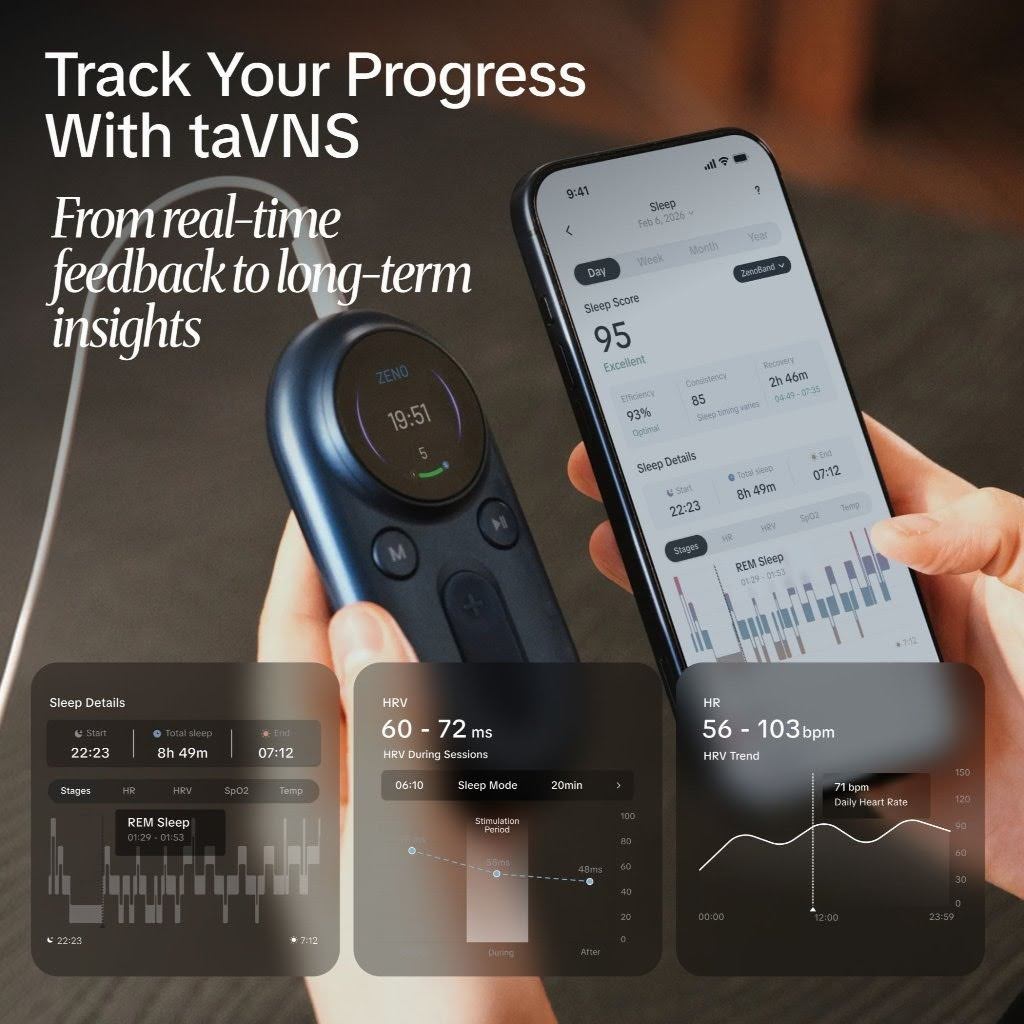
The shift is commercially significant because it changes what consumers are paying for. A device that measures stress sells awareness; a device that helps users develop a repeatable relaxation routine offers a different kind of value. This does not mean every monitoring product needs to become an intervention device, or that active stimulation is automatically more effective than tracking. Rather, the market is developing into several complementary categories, each addressing a different stage of the stress-management process. For businesses, the opportunity lies in understanding these differences and building products around real consumer needs instead of competing solely on sensor counts, app features or increasingly elaborate health scores.
Why Stress Tracking Alone Is Not Enough
Wearable stress monitoring has become more accessible as smartwatches, rings and fitness bands incorporate physiological sensors into products people already use. Many rely on photoplethysmography (PPG), an optical method that estimates pulse changes by detecting variations in blood volume near the skin. Combined with heart rate, HRV, skin temperature and sometimes electrodermal activity, these measurements can help identify patterns associated with physiological arousal. Someone might notice that their recovery readings are consistently different after late nights, intense exercise or particularly demanding workdays. Over time, this information can encourage more informed decisions about sleep, workload and daily habits.
However, physiological data do not provide a direct explanation of someone’s emotional state. An elevated heart rate might reflect exercise, caffeine, excitement, illness or psychological stress, while HRV can be influenced by sleep, physical activity, medication and numerous other factors. Even sophisticated algorithms cannot always determine why a particular signal has changed. This creates a familiar problem in consumer technology: more information does not automatically produce better decisions. A person who receives repeated stress notifications without useful guidance may eventually stop paying attention to them. A 2023 scoping review, Wearables for Stress Management, examined 40 studies and identified three broad roles for these technologies: increasing awareness of stress, supporting self-regulation during stressful episodes and assisting longer-term self-regulation practices. The findings suggest that the value of wearables extends beyond measurement, but they also highlight an important distinction between identifying a problem and helping someone respond to it.
From Monitoring to Active Stress Management
The emerging market can be understood through three broad product approaches. The first is tracking, represented by smartwatches, rings and other biosensing wearables that translate physiological signals into reports and trends. Their value comes from helping users recognize patterns they may not otherwise notice. The second is biofeedback, where technology provides information or cues that encourage users to change a response. Breathing-guidance devices are a familiar example: rather than simply reporting an elevated heart rate, they guide the user through a breathing exercise that can become part of a deliberate relaxation routine. The third approach involves active sensory or physiological stimulation, where a device delivers a physical input instead of relying entirely on measurement or behavioral guidance.
These categories address different consumer expectations and create different business models. A tracking product may build long-term engagement through historical data, personalized reports and subscriptions, while a biofeedback product depends more on whether users find its exercises practical and repeatable. Sensory wearables, including devices that deliver patterned vibrations, offer another proposition: providing a physical cue without requiring someone to constantly look at a screen. Neuromodulation introduces a more specialized category by using controlled stimulation to engage particular neural pathways. Non-invasive vagus nerve stimulation belongs here. Its commercial appeal is not simply that it produces another wellness score, but that it explores a different way of interacting with physiological processes associated with autonomic regulation. This distinction also matters for product positioning: a vagus nerve stimulator should not be marketed as though it were merely another stress tracker with a more advanced sensor.
Why the Vagus Nerve Has Become a Focus of Wellness Technology
The vagus nerve is particularly interesting to researchers because of its extensive communication between the brain and the body. As the tenth cranial nerve, it connects the brainstem with several organs, including the heart, lungs and digestive system, carrying sensory information toward the brain and sending signals back to the body. It is also an important component of parasympathetic regulation, which supports functions associated with rest, digestion and recovery. During a demanding situation, the autonomic nervous system adjusts bodily activity to meet the immediate need. Once the demand has passed, the body also needs to regulate its response and move toward a more settled physiological state. Vagal pathways participate in this broader process, which is why researchers are investigating their potential relevance to stress regulation. The vagus nerve is not an on-off relaxation switch, however. Its activity forms part of a much larger network involving the brainstem and other brain regions that coordinate cardiovascular, respiratory and other autonomic functions.
One particularly interesting development is transcutaneous auricular vagus nerve stimulation, commonly called taVNS. Unlike implanted vagus nerve stimulation systems, this approach delivers controlled electrical pulses through electrodes placed on selected areas of the external ear. The anatomical basis is the auricular branch of the vagus nerve, which supplies sensory input to parts of the outer ear, including regions of the concha. The cymba conchae, a small curved area in the upper concha, is frequently investigated as a stimulation target because of its vagal sensory innervation. When an electrode is positioned over an appropriate region, electrical pulses activate sensory nerve fibers that carry signals toward the brainstem, where vagal sensory pathways connect with the nucleus tractus solitarius. This structure processes information from the body and communicates with other brain regions involved in autonomic regulation. In practical terms, the device delivers an electrical input through a targeted ear location; it does not simply measure heart rate or estimate stress from movement. That makes taVNS fundamentally different from passive monitoring and general tactile feedback.
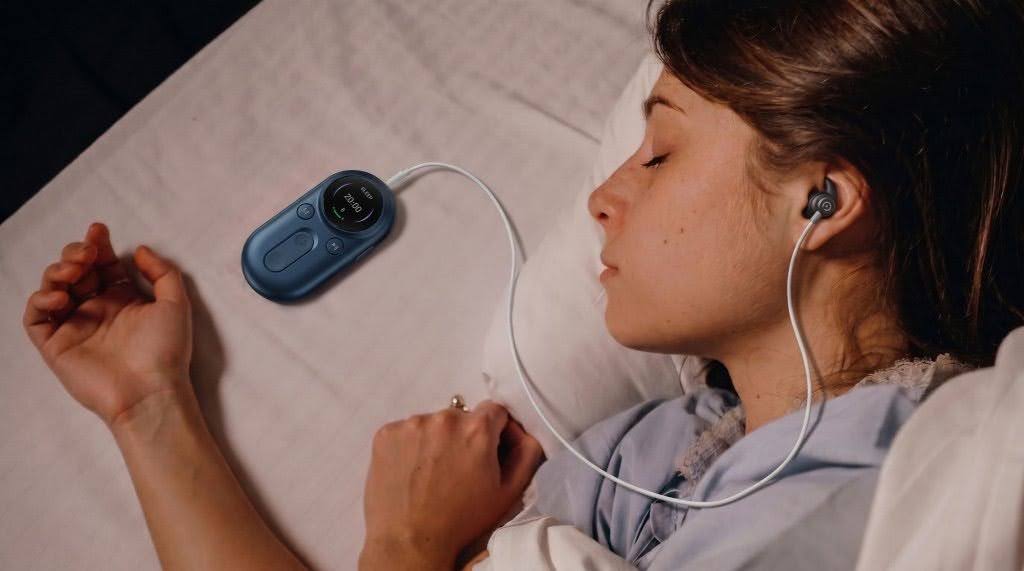
The electrode design is therefore central to the technology, rather than a minor product detail. The outer ear receives sensory input from several nerves, so placing an electrode anywhere on the ear does not guarantee targeted vagal stimulation. Contact location, electrode size, skin contact and stimulation parameters all influence how the electrical input is delivered. Dedicated earpieces are designed to position electrodes against the intended regions and maintain more consistent contact during a session, while conductive water or gel may be used according to the manufacturer’s instructions. For consumers exploring this category, a non-invasive vagus nerve stimulation device represents an emerging approach to incorporating auricular stimulation into a personal wellness routine. The practical experience matters as much as the underlying electronics: users need to understand where the electrodes sit, how to establish proper contact and how to adjust stimulation to a comfortable level. Stronger stimulation should not be assumed to produce better results, and a well-designed product should make correct placement and operation straightforward.
What the Research Means for the Market
The growing interest in taVNS has a scientific basis, although the evidence remains at a developing stage. Researchers have investigated whether auricular stimulation can influence physiological and neural processes associated with stress, using different stimulation locations, frequencies, intensities and experimental designs. A 2025 study published in Frontiers in Digital Health, titled Effect of Transcutaneous Auricular Vagus Nerve Stimulation on Stress Regulation: An EEG and Questionnaire Study, examined participants completing mentally demanding arithmetic and working-memory tasks under active and sham stimulation conditions. Participants reported an increase in perceived stress after the tasks in the sham condition, whereas their reported stress did not significantly change in the taVNS condition. EEG analysis also identified differences in certain frontal brain-activity patterns. These findings provide an interesting direction for further research, but the experiment examined specific tasks and stimulation conditions rather than demonstrating that consumer devices reliably manage everyday stress. The study’s authors also acknowledged that the underlying neurophysiological mechanisms remain incompletely understood.
A broader 2024 scoping review of clinical taVNS research included 109 studies across 21 clinical populations, with 2,214 adults receiving active stimulation and 1,017 receiving sham stimulation. The review found encouraging findings across several research areas, but also identified inconsistent reporting of stimulation parameters and limitations in sham-control methods. These details matter because two devices that both use the term taVNS may differ considerably in electrode placement, pulse frequency, session duration and intensity. Results from one research protocol cannot automatically validate another product or establish the same outcome for every user. For the consumer wellness market, the more sustainable approach is to communicate what the technology does, what research has investigated and what remains uncertain. Companies that explain these boundaries clearly can differentiate themselves through technical credibility rather than relying on exaggerated promises of instant relaxation or guaranteed stress reduction.
What Makes a Wearable Wellness Product Valuable?
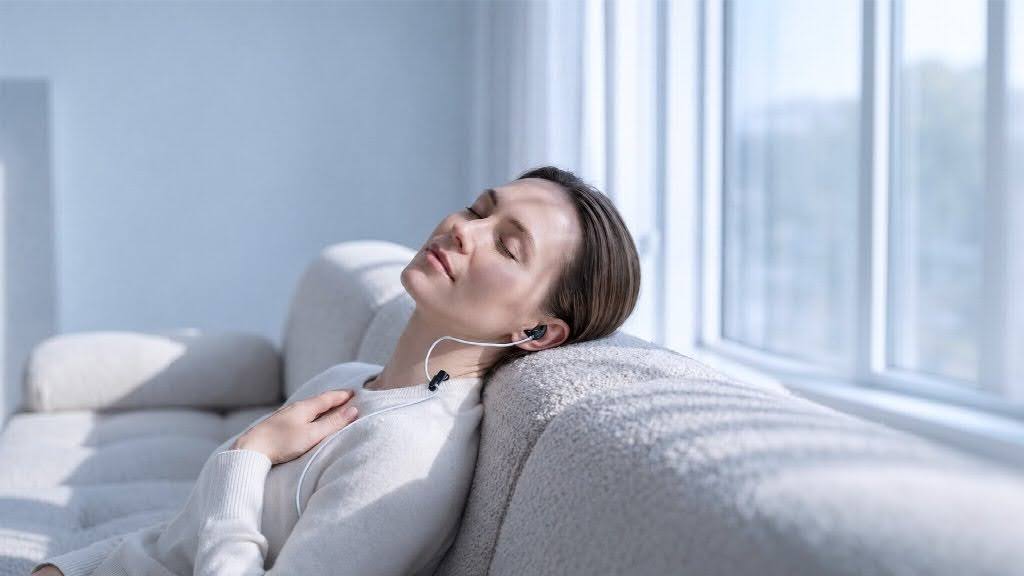
As the market expands, technical sophistication alone is unlikely to determine which products earn lasting consumer interest. A device may contain multiple sensors, sophisticated algorithms and several operating modes, but none of those features guarantees that people will use it consistently. The more important question is whether the product fits a recognizable situation in everyday life. Someone who wants to understand physiological patterns throughout the day may prefer a smartwatch or ring. Someone who wants a physical reminder to pause may find a tactile wearable more appropriate, while a person interested in exploring auricular stimulation may prefer a dedicated device with clear electrode-positioning instructions and adjustable session settings. These consumers are not necessarily looking for the same solution, even if they all describe their goal as reducing stress.
This creates opportunities for businesses to differentiate through user experience, product transparency and clearer market segmentation. Comfort, ease of setup, charging requirements, connectivity and session length can influence whether a wearable becomes part of a regular routine. The role of software also deserves attention: historical reports and educational content can help users understand their patterns, but repeated alerts and increasingly complicated dashboards may create more friction than value. For neuromodulation products in particular, manufacturers need to explain the stimulation mechanism, intended placement, operating instructions and safety considerations without making unsupported clinical claims. Consumers comparing different options can use how to choose the right stress relief device as a starting point for understanding the differences between product categories, features and practical buying considerations. People with implanted electronic devices or certain cardiovascular or neurological conditions should review contraindications and seek appropriate professional guidance before using electrical stimulation products. Consumer wellness devices should not replace medical evaluation or established treatment.
The Next Stage of Wearable Wellness Technology
The wearable wellness market is gradually moving beyond the idea that collecting more physiological data is enough to create value. Tracking remains important because people need ways to recognize patterns, but the next generation of products is exploring what happens after that information becomes available. Biofeedback, sensory wearables and non-invasive neuromodulation represent different approaches to supporting that transition, each with its own technical requirements, consumer expectations and evidence base. Vagus nerve stimulation is especially interesting because it introduces a targeted interaction with neural pathways involved in autonomic regulation, rather than simply adding another measurement to a dashboard. Its commercial future will depend on better research, consistent device design, comfortable everyday use and responsible communication about what stimulation can realistically achieve.
Ultimately, the strongest products will not necessarily be those with the most sensors, the highest number of programs or the most impressive wellness scores. They will be the ones that understand a specific consumer problem and offer a credible, practical way to address it. For businesses, that means competing on more than hardware specifications: the value proposition must connect the underlying technology with a meaningful user experience. In a market already crowded with health data, turning information into useful action may become the more important innovation.