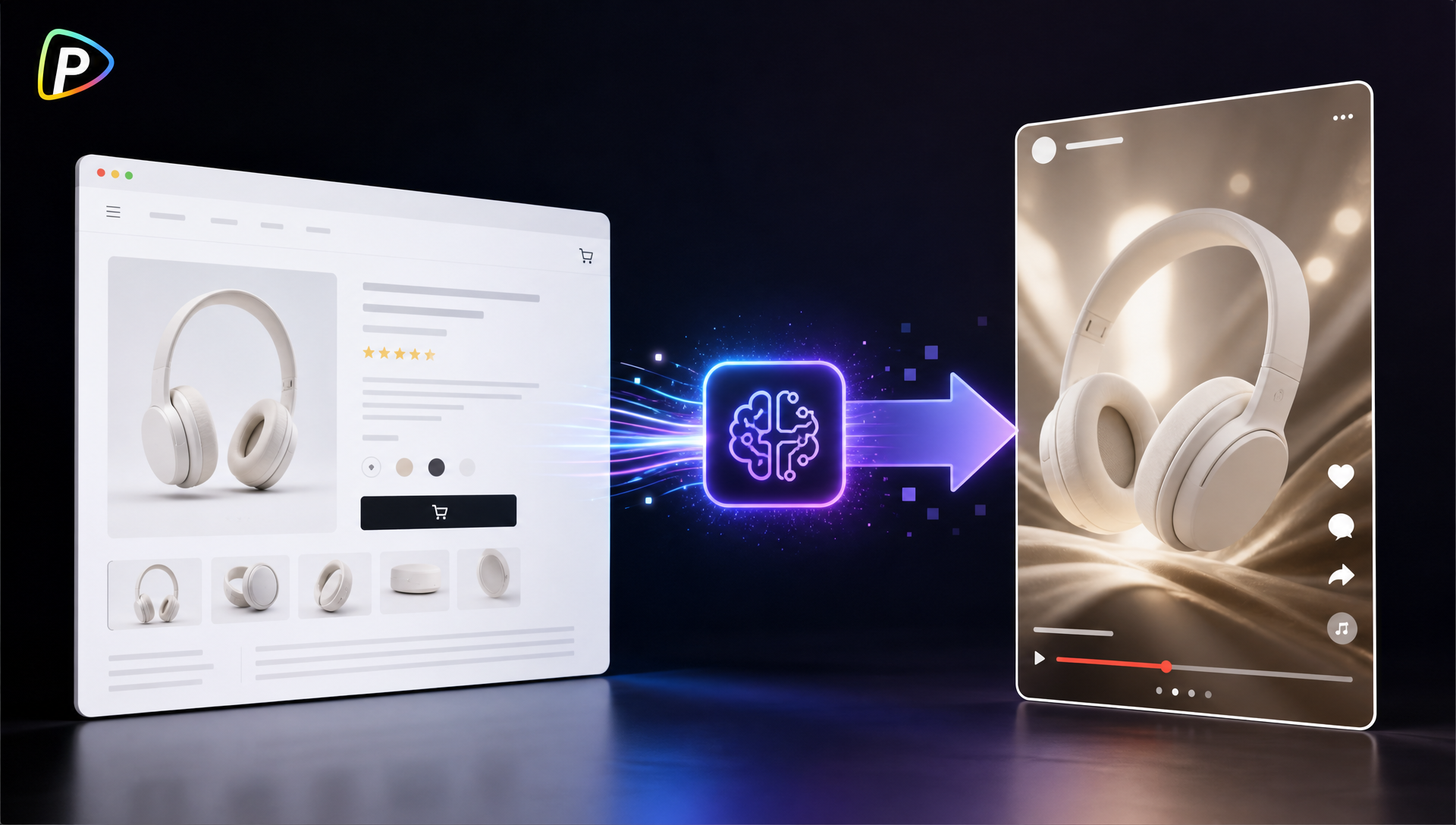
Not long ago, buying software or media was a significant initial investment. You used cash to buy a lump sum, received a physical disc or a download key, and kept that version indefinitely. Commercial interaction is becoming a thing of the past today. The old paradigm has been replaced by a new one, which has completely changed how companies operate and how consumers receive services. Subscription-based apps have also shifted the emphasis from ownership to access, where users pay a recurring fee for persistent access in lieu of a one-time charge for a product.
This change has been a gargantuan structural transformation of the contemporary app economy to dynamic, relational moves. It is no longer merely the sale of a product but the sale of a service that is enhanced over time. It is transforming the financial landscape of the digital world, as this model has penetrated all industries, including entertainment, fitness, productivity, and utilities. The shift towards recurring revenue models is not just a trend; it is a new benchmark of business growth and sustainability.
The Business Advantage: Growth and Stability.
The subscription model is attractive to companies. Financial stability is the primary driver. The subscriptions ensure the firms can forecast sales with high accuracy every month, unlike the feast-or-famine characteristic of a one-time sale. Such financial capital helps leaders look to the future, invest in research and development, and support long-term growth without being under constant pressure to develop new blockbuster products to keep the lights on. When a company can forecast monthly income, it can plan its cash flow much more effectively.
Besides, this model enables companies to improve business scalability. The infrastructure can expand anytime the user base increases and is backed up by a consistent flow of income. It creates a vicious circle in which income is spent on enhancing features that attract more users. This is very important at the start and in existing businesses. The subscription model also helps increase customer lifetime value because customers are likely to remain for months or years, rather than those who, after making one transaction, disappear. With long-term relationships, businesses can achieve higher customer lifetime value than in the traditional retail model.
Consumer Advantages: Access and Innovation.
With subscriptions, the barrier to entry is considerably lower for the average user. They do not have to pay hundreds of pounds to use professional tools because they can pay a low monthly subscription. This encourages ordinary users to adapt to digital transformation without straining their pockets. It makes high-end technology more democratic and, in the process, ensures that everyone can use the latest technology, so it does not remain the preserve of those with deep pockets. Also, innovation is encouraged to optimize digital services continually. If they stop improving, the user stops paying.
This ongoing pressure to deliver value compels businesses to adopt new service delivery models. Users do not need to wait several years to get a new release of software; updates are delivered via the air and are instant. This means that consumers will never use the most insecure version of the product or the one that lacks features. As a result, companies will have to be creative in their service provision to meet their subscribers’ satisfaction and make recurring payments worthwhile. The dynamic helps the user stay on the frontline of technology, as they are accustomed to digital transformation in their personal lives.
Discuss the development of office utilities and how they have changed to be on a mobile interface. Previously, to send a document, a physical landline and a large machine were necessary, and thus, business owners were tied to the location of the large machine. Software solutions have supplanted hardware requirements, allowing professionals to work from home today. When searching for a solution to manage paperwork simultaneously, it is possible to find the best fax app to turn a smartphone into a full-fledged office, allowing you to send documents without large hardware. This ease of doing things shows how software substitutes for the physical infrastructure, providing a mobility benefit that the previous hardware model was unable to provide.
Improving the User Relationship.
The subscription approach makes the companies more attentive to the customers. Companies should make every effort to retain customers to maintain low churn rates. This can be done through personalisation and data analysis. By gaining insight into how people use the app, developers can strengthen user engagement by improving the experience to suit individual needs better. For example, music streaming platforms develop custom playlists, which is what keeps users coming back every day.
Ideas to enhance customer retention often involve community development or perks for subscribers. A user will be less likely to be cancelled by feeling important. Moreover, apps use push notifications and regularly update content to enhance user interaction. It is aimed at making the app a part and parcel of a user in everyday life. Such engagement interests result in superior products, as firms now streamline online services based on user feedback rather than mere conjecture.
The Future of the App Economy
I would say that in the future, the trend of subscription-based apps will only increase. They are a win-win: businesses will gain stability, and consumers will experience value continuously. The modern app economy operates around this model to encourage innovation and access. The companies are becoming stronger, more customer-centred organisations by concentrating on predicting monthly revenue.
Finally, this model will be successful based on a reasonable balance of value. The subscription revolution will continue to transform the way business is done as long as apps remain helpful in solving problems and ultimately improve our lives.