
Instagram has evolved far beyond a photo-sharing app. Today, it’s a full-fledged ecosystem where creators, brands, and communities intersect—and where money can absolutely be made. What’s interesting is that you no longer need millions of followers to start earning. In fact, perhaps the most exciting shift is how accessible monetization has become, even for micro and niche creators.
Yes, you can make money on Instagram. But it’s rarely just about posting more or chasing trends. It’s more about figuring out what actually fits—your content, your audience, and the kind of work you want to do long-term.
Here’s how some of the most successful monetize their Instagram content today:
Become a Brand Ambassador
One of the most common and often most lucrative ways to earn on Instagram is by becoming a brand ambassador. This goes beyond a one-off sponsored post. Instead, it’s about building a longer-term relationship with a brand that fits naturally into your content and lifestyle.
Brands today are less interested in one-time shoutouts and more focused on sustained storytelling. They want creators who can represent them consistently, authentically, and in a way that feels believable to their audience.
If you’re considering this route, start by identifying brands you already use or genuinely like. It sounds obvious, but it makes a difference. Your audience can usually tell when something feels forced. One of the easiest ways to do this is by using tools like SignalHire, which helps you find relevant email addresses and phone numbers in bulk.
From there, engage with those brands organically—tag them, feature them naturally, and perhaps reach out with a thoughtful pitch once there’s some visible alignment.
One of the most recognizable brand ambassador programs for nearly 40 years now—perhaps even one of the few that has scaled into a truly global movement—comes from Red Bull.
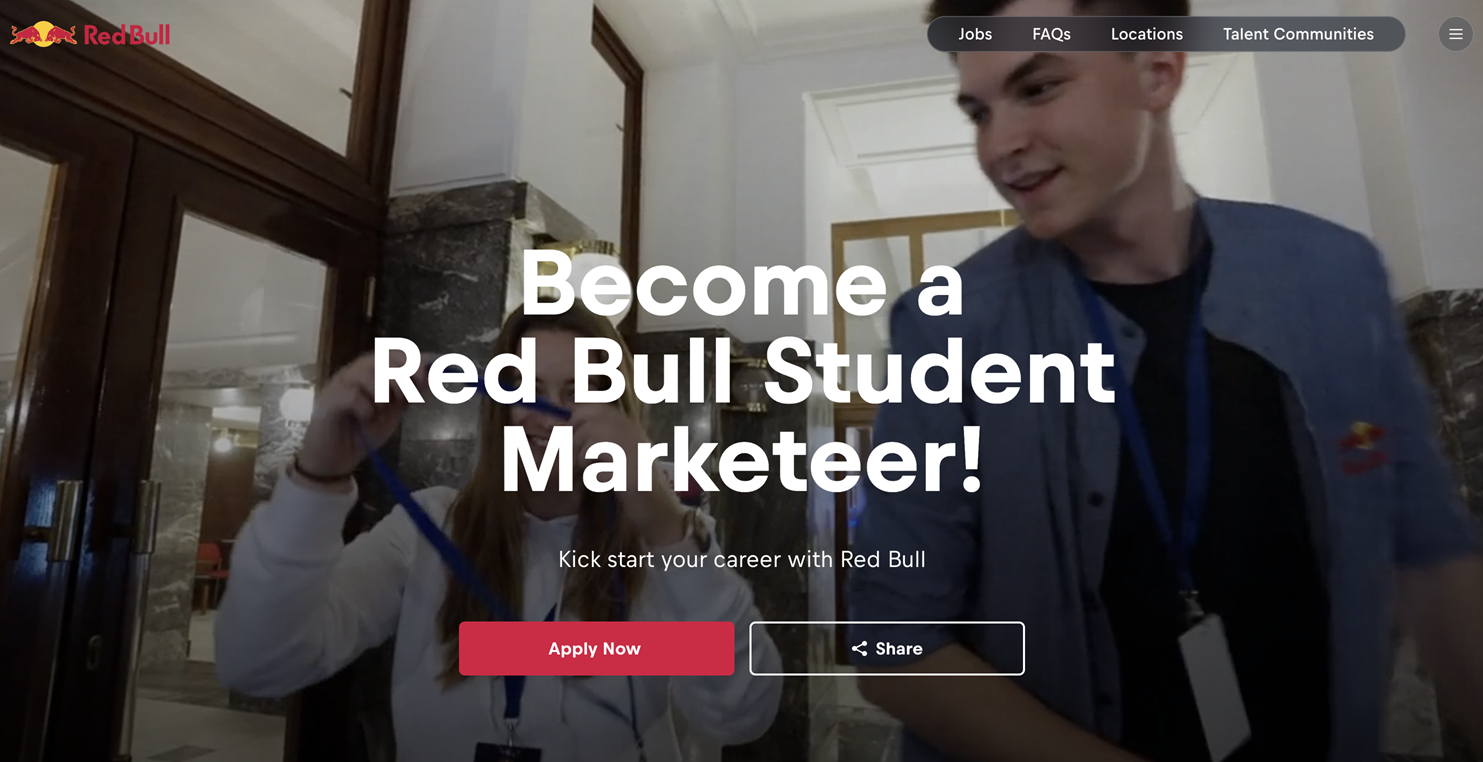
Rather than relying on traditional influencers alone, Red Bull built a grassroots-style ambassador network made up largely of students, athletes, and creators embedded in local communities. Their ambassadors don’t just promote the product—they host events, create content, and essentially act as the brand on the ground. This approach has allowed Red Bull to feel less like a company pushing a drink and more like a lifestyle people actively participate in.
Interestingly, smaller creators often have an advantage here. With tighter communities and higher engagement rates, they can offer something brands value just as much as reach: trust.
Sign Up for an Affiliate Program
Affiliate marketing is, in many ways, one of the easiest entry points into Instagram monetization. You promote a product or service using a unique link or code, and you earn a commission for every sale generated through your content.
What makes this appealing is the low barrier to entry. More often than not, you don’t need to negotiate contracts or wait for brands to approach you. Many companies already have affiliate programs you can join almost instantly.
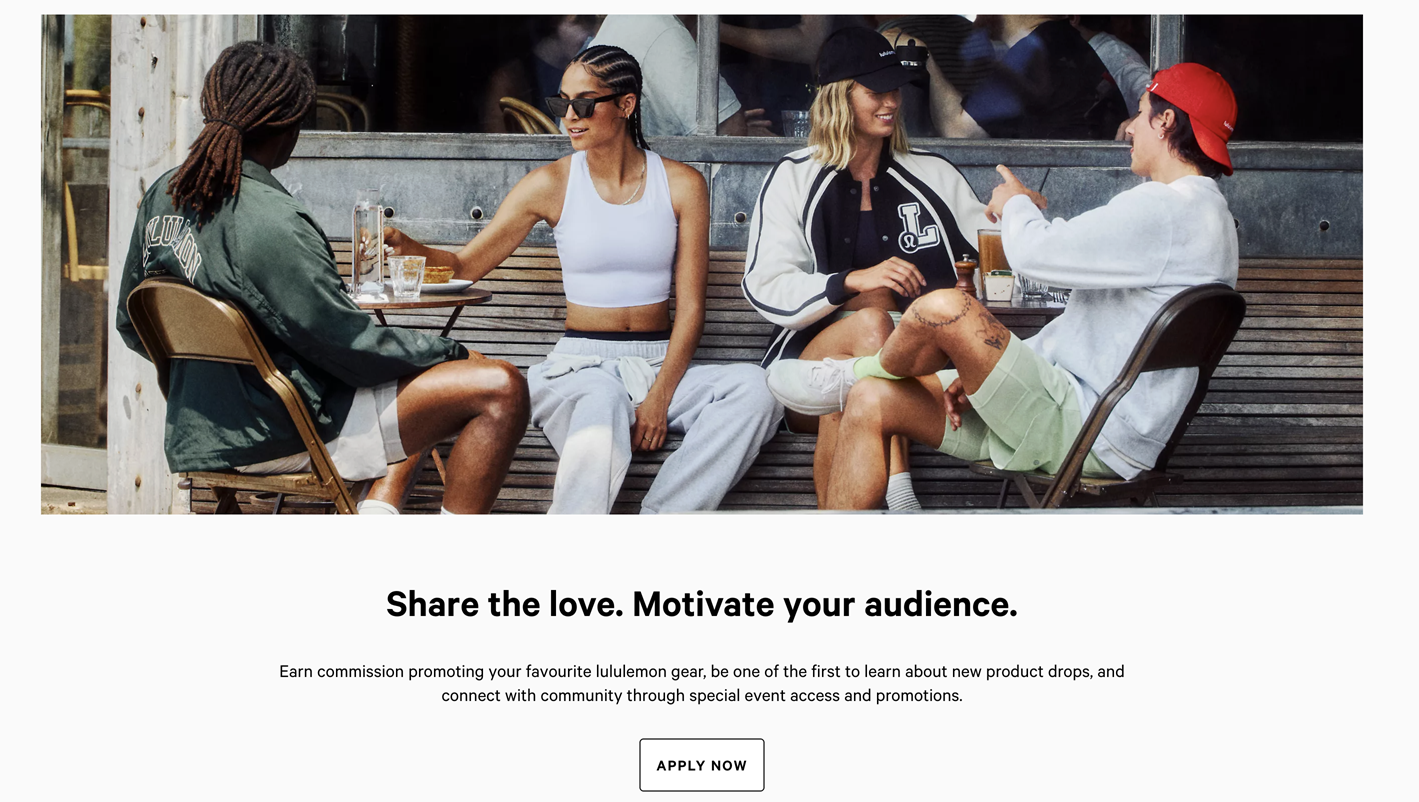
The key, though, is integration. Simply dropping links or codes without context rarely works. Instead, think about how the product fits into your daily life. Show how you use it. Share honest opinions, and show how the product is especially useful for people like you.
Audiences today are highly perceptive. They respond better to real experiences than polished sales pitches. So if you treat affiliate content as storytelling rather than advertising, it tends to perform better – and feel better, too.
Create Your Own Merch
If you’ve built a loyal following, creating your own merchandise can be a natural next step. This doesn’t have to mean launching a full fashion line. It could be as simple as branded shirts, tote bags, digital products, or even niche items that resonate with your audience.
The advantage here is ownership. Unlike brand deals or affiliate marketing, where you’re promoting someone else’s product, merch allows you to build something that’s entirely yours. A great creator to take inspiration from is Hannah Neeleman of Ballerina Farm.
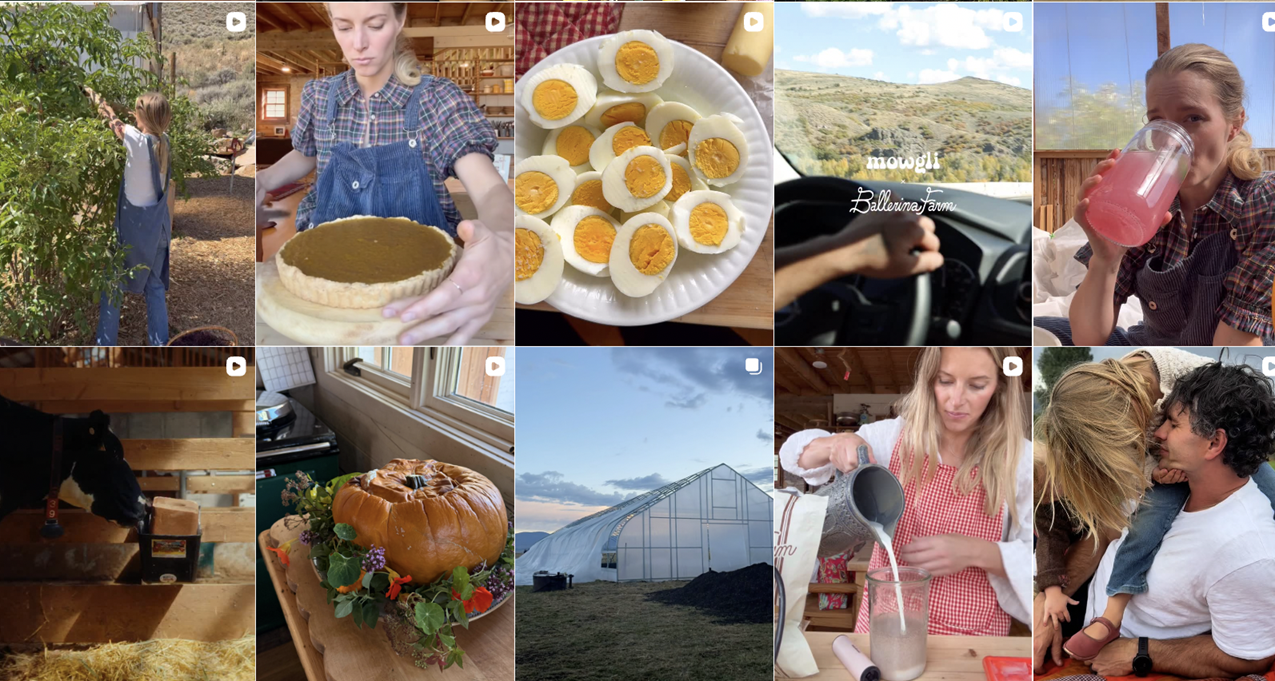
That said, it’s not just about slapping your name on a product. The most successful creator-led merchandise often reflects a shared identity or inside language with their audience. It feels like something the community is part of, not just something being sold to them.
To simplify the process, you can use print on demand partners like Printful or Printify that don’t just allow you to create custom work that’s on-brand, they also allow you to open your own online store without the hassle of code or steep fees. Depending on your approach, you can produce items on demand as orders come in, or print in bulk if you already have validated demand.
On Instagram, this kind of setup often blends naturally into the content creators are already sharing. Instead of treating merch as a separate launch, many creators introduce it gradually: wearing it, using it, or letting it appear in everyday moments. Over time, it becomes part of the story they’re telling, something followers recognize and connect with rather than something being explicitly sold.
Before launching, it might help to test interest. Ask your followers what they’d actually want. Run polls. Share ideas. This not only validates demand but also makes your audience feel involved in the process.
Spread Digital Content
Not all monetization on Instagram is direct. Sometimes, Instagram acts as a distribution channel for other income streams.
For example, you might use your Instagram to drive traffic to a blog, a YouTube channel, a podcast, or even a newsletter. Each of these platforms can be monetized in different ways—ads, sponsorships, subscriptions, or product sales.
In this sense, Instagram becomes the top of your funnel. It’s where people discover you, engage with your content, and decide whether they want to go deeper. Many YouTubers like Beryl Shereshewsky use Instagram for bite-sized versions of their longer-form content.
This approach is particularly useful if you prefer longer-form content or if your niche requires more depth than Instagram allows. A finance creator, for instance, might share bite-sized tips on Instagram but link out to more detailed guides elsewhere.
It’s a slightly slower burn compared to direct monetization, but it can be more sustainable in the long run and don’t forget to learn more about online payment options so that your customers get a better experience.
Promote Exclusive Content
Another growing trend is offering exclusive content to your most engaged followers. This could be behind-the-scenes access, premium tutorials, private communities, or early releases.
The idea is simple: while your main content remains free, your most dedicated audience members can opt into a paid layer for additional value.
What’s interesting here is the shift in mindset. Instead of chasing more followers, you focus on deepening relationships with the ones you already have. Taiwanese creator, Lulu Luguanling, was able to grow her subscribers to 1.8k in just one month by teasing content on her Stories.
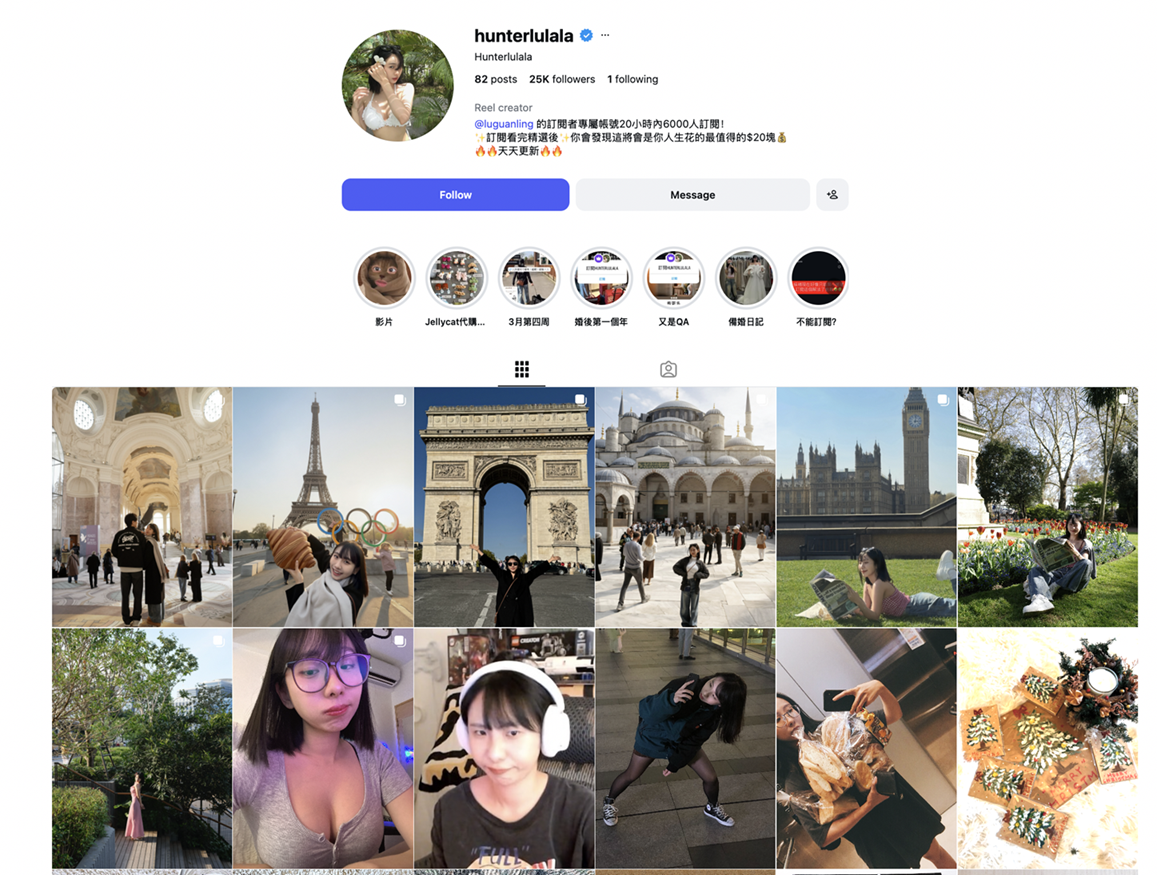
Of course, the challenge is making the exclusive content feel worth it. It needs to offer something meaningfully different—not just more of the same.
Creators who succeed in this space often treat their paid audience almost like a close circle. There’s more interaction, more personalization, and perhaps a stronger sense of community.
Make the Most Out of Creator Funds
Depending on your location and eligibility, Instagram and its parent company have introduced various creator funds and monetization features designed to reward content performance.
These programs can include bonuses for Reels, incentives for high engagement, or payouts based on views and interactions.
While this might not replace other income streams, it can serve as an additional layer of earnings especially if your content already performs well.
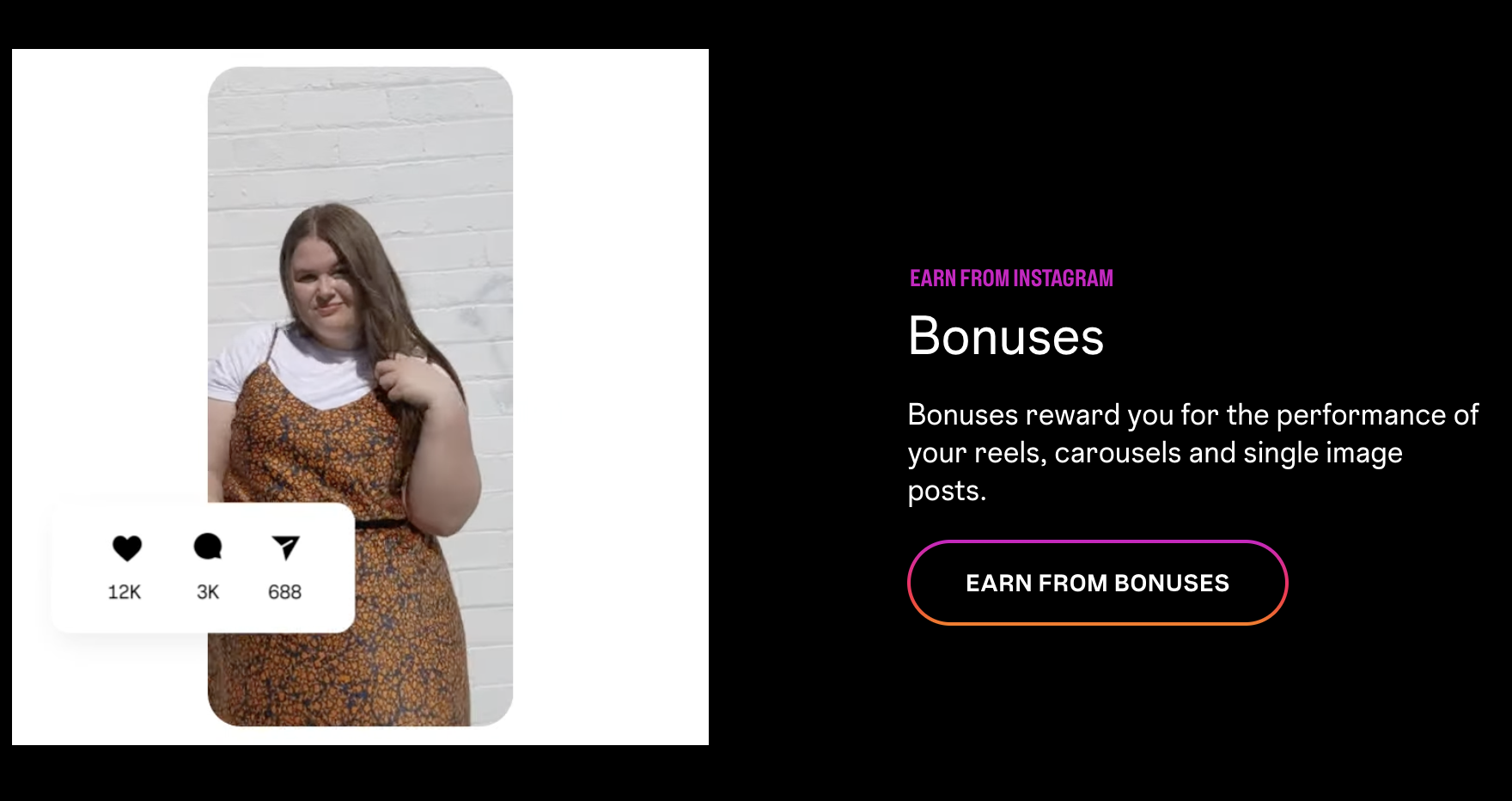
The challenge, perhaps, is that these programs can change frequently. Eligibility criteria, payout structures, and availability vary, so it’s worth staying updated on what’s currently offered in your region.
Still, it’s a reminder that platforms themselves are increasingly investing in creators. They want you to stay, grow, and produce content so it makes sense to take advantage of what’s available.
Become a Part of Branded Content Ads
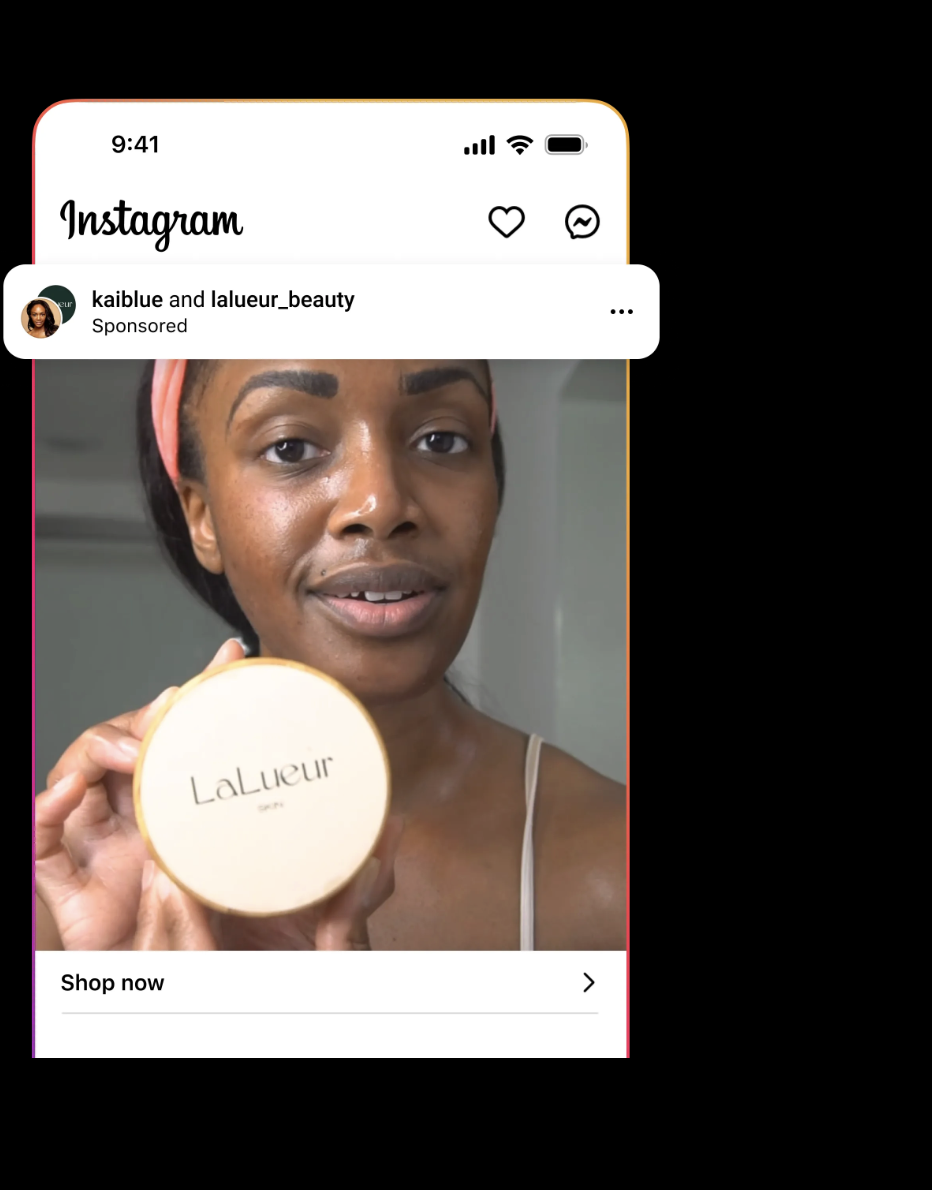
Branded content ads take traditional sponsorships a step further. Instead of just posting content for a brand, your content can be turned into paid advertisements that the brand promotes to a wider audience.
This benefits both sides. Brands get authentic, creator-driven content that often performs better than traditional ads. And creators get compensated not just for creating the content, but for its extended use.
If you’re working with brands, it’s worth discussing this option. Some creators overlook it, but it can significantly increase the value of a partnership. And if you’re just starting out, it could be a great idea to browse the companies directory to find a potential brand that could be a fit for the partnership. Reach out to the right person behind it, showcase your portfolio, and offer your services.
There’s also a strategic angle here. When your content is used in ads, it reaches audiences beyond your followers. This can lead to new followers, more visibility, and potentially more opportunities.
Conclusion
Making money on Instagram is no longer reserved for a select few. Whether you have 1,000 followers or 100,000, there are real opportunities to turn your content into income.
However, there’s no single formula. Some creators thrive on brand partnerships. Others lean into affiliate marketing, digital products, or exclusive content. Many combine several approaches.
The most important thing to remember is that monetization works best when it feels aligned. Aligned with your content, your audience, and your own voice. When those things click, earning doesn’t feel forced—it feels like a natural extension of what you’re already doing.
And maybe that’s the real shift. Instagram isn’t just a platform for visibility anymore. It’s a platform for building something sustainable, something personal, and, if done thoughtfully, something that pays.